
Why the most venomous snake on the planet has never killed anyone
Categories: Animals
By Pictolic https://mail.pictolic.com/article/why-the-most-venomous-snake-on-the-planet-has-never-killed-anyone.htmlWe share a planet with many venomous snakes. They are everywhere, except for the coldest continent – Antarctica. It is quite logical that it is in Australia, where there are the most poisonous and simply dangerous creatures per capita, that the most venomous snake lives – the McCoy's taipan (Oxyuranus microlepidotus).
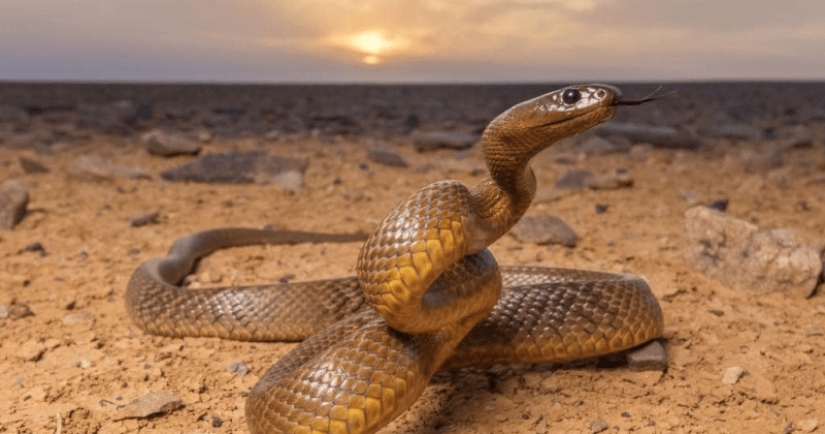
Disputes about which snake has the strongest venom, go between zoologists for more than one century. Oddly enough, but the most important contender for the palm of the championship-McCoy's taipan, for a long time did not appear in the discussions at all. The reason for this is the very calm nature of this reptile, which does not have a single officially registered case of death from a bite.
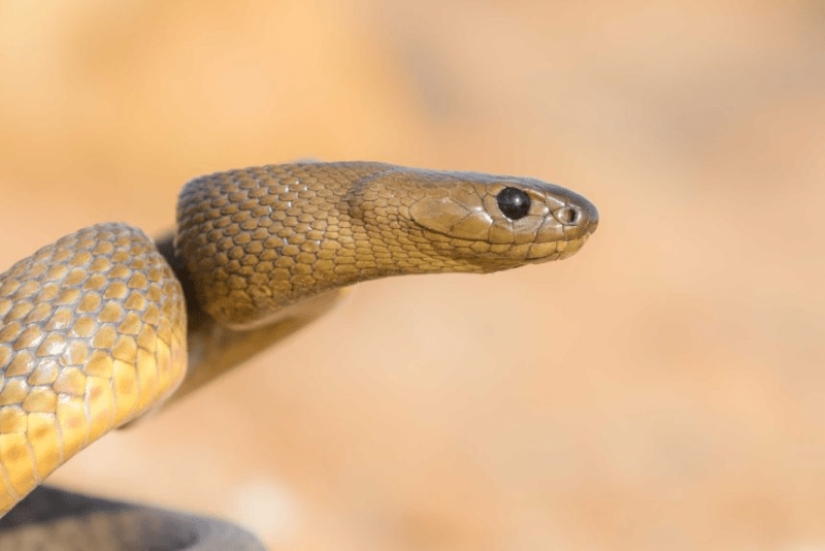
These Taipans produce a venom 180 times stronger than that of a cobra, a single dose of which, at 44 mg, can easily kill 100 people or 250 thousand mice! But the mortality statistics make the common viper, which lives in the middle zone, more dangerous to human life, and people die from its bites every year.
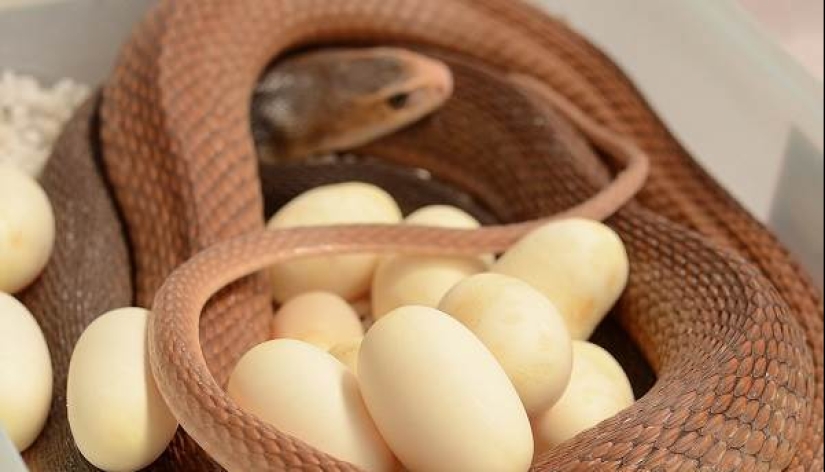
The Australian leader of the toxic rating reaches a length of up to 2.5 meters. This snake is a real beauty with brown-gold scales and a neat glossy, as if polished head. Due to its fertility, the McCoy's taipan is widely distributed in the desert and semi-desert regions of the Green Continent. The female lays 16-20 eggs, from which babies appear after 66 days.
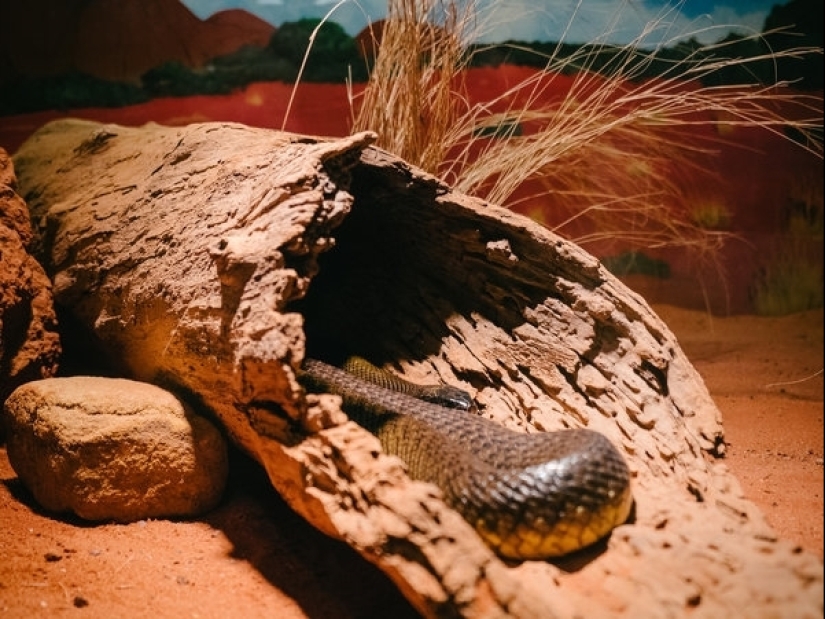
The most venomous snake on the planet has lived side by side with the Australian aborigines for thousands of years, and they do not see this as a problem. People do not touch large snakes, and they, in turn, try to stay away from their homes. The natives are well aware of what the McCoy's taipan is capable of, but they are not afraid of it, knowing the peaceful nature of this snake.
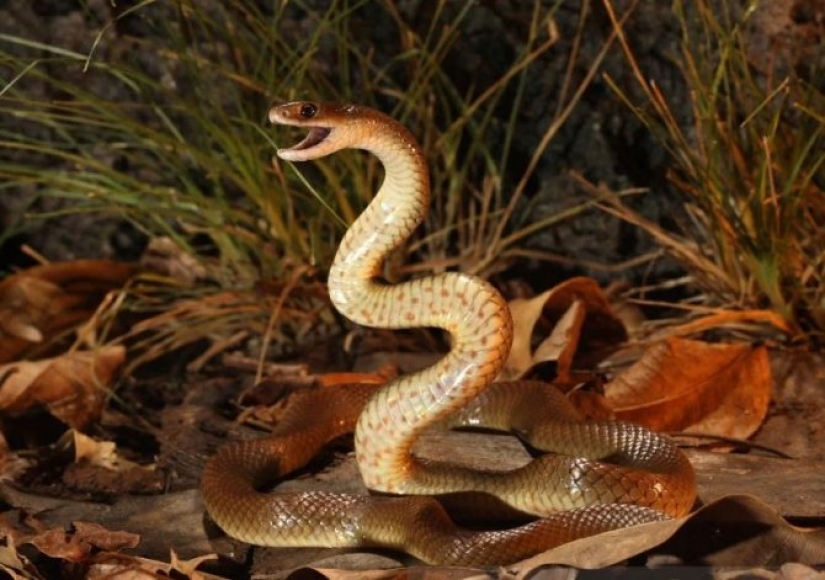
Not that McCoy's Taipans have never bitten people – there have been such cases. However, thanks to the timely provision of qualified assistance, everything ended well. Every single one of the excesses of this plan was the fault of people who persistently pursued the Taipan or tried to grab the snake with their hands. A huge reptile can cope with most threats without poison, so it is rarely set up to use "heavy artillery" in a fight, even if it is strongly "taken out".

But another very similar species-the coastal taipan (Oxyuranus scutellatus), although it rarely grows more than 2 meters, is a serious danger to people. The venom of this snake is slightly weaker than that of a large fellow, but it is three times more!
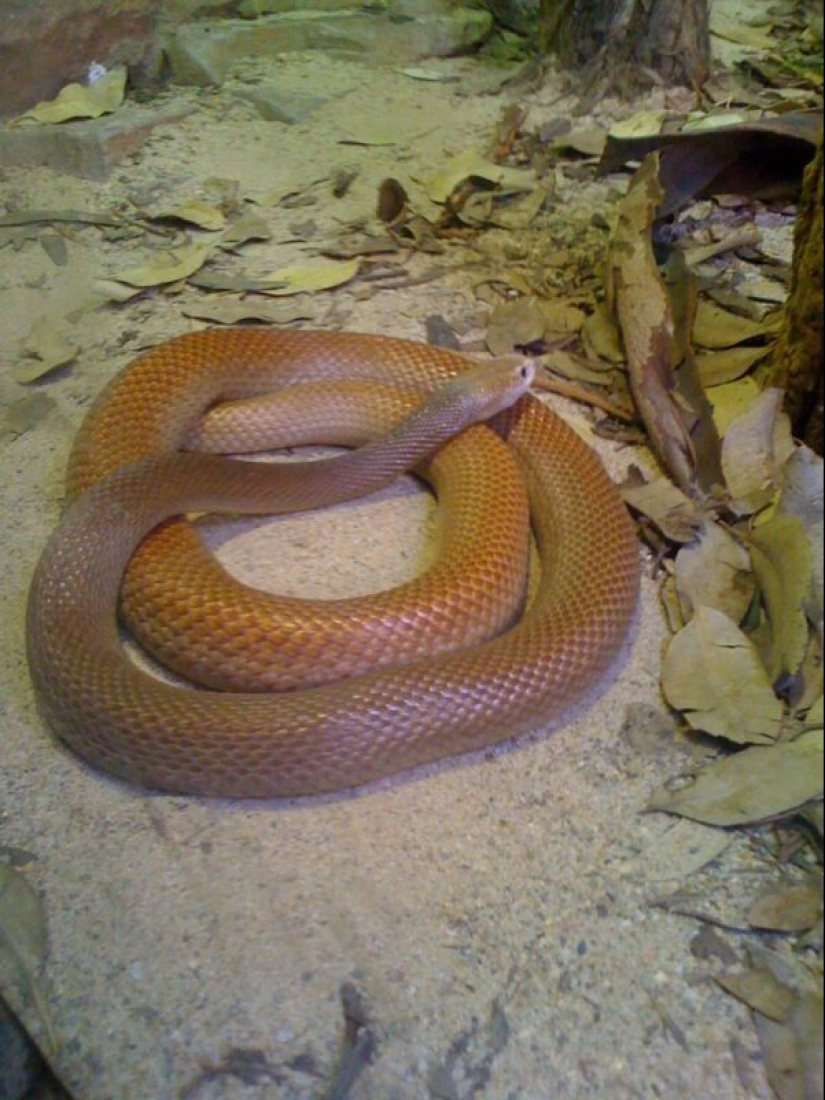
The coastal Taipan can release up to 120 mg of deadly poison during an attack, biting the victim several times. A bitten person dies 4-6 hours after the bite, and even timely assistance with such a volume of toxin is ineffective. According to statistics, every second bitten person dies from the venom of this snake.
Keywords: Death | Animals | Desert | Reptiles | Poison | Snake
Post News ArticleRecent articles

It's high time to admit that this whole hipster idea has gone too far. The concept has become so popular that even restaurants have ...

There is a perception that people only use 10% of their brain potential. But the heroes of our review, apparently, found a way to ...
Related articles

Immunity to poisons at all times been the dream of all authority. List of popes, kings and emperors, gave his soul to God through ...

These artists love cats, but also masterfully draw them, often complementing funny and life signatures. Meet! --> Russian ...

The age of breeding" improvements " of pure breeds has turned once healthy dogs into deformed animals. There is an opinion that ...
New Year's is a time to surprise and delight loved ones not only with gifts but also with a unique presentation of the holiday ...