
The Wehrmacht is stoned: drugs in the service of the Third Reich
Categories: Health and Medicine | History
By Pictolic https://mail.pictolic.com/article/the-wehrmacht-is-stoned-drugs-in-the-service-of-the-third-reich.htmlWhile the Red Army used the "front-line hundred grams", methamphetamines were used on the other side of the trenches. Under the influence of drugs, the soldiers could not sleep for days on end, they felt neither fear nor pain.
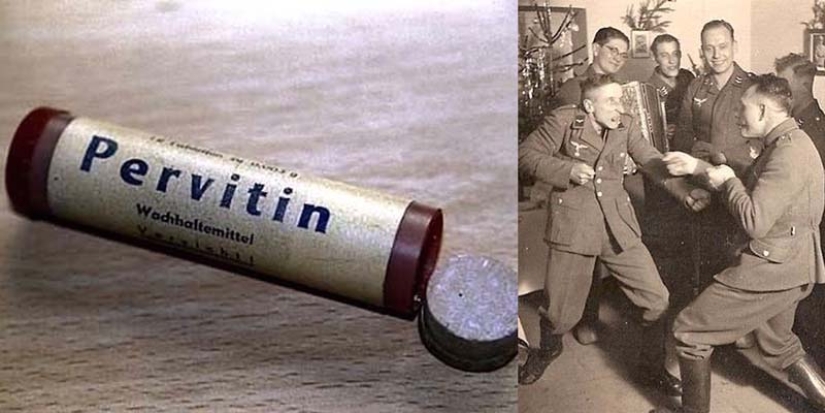
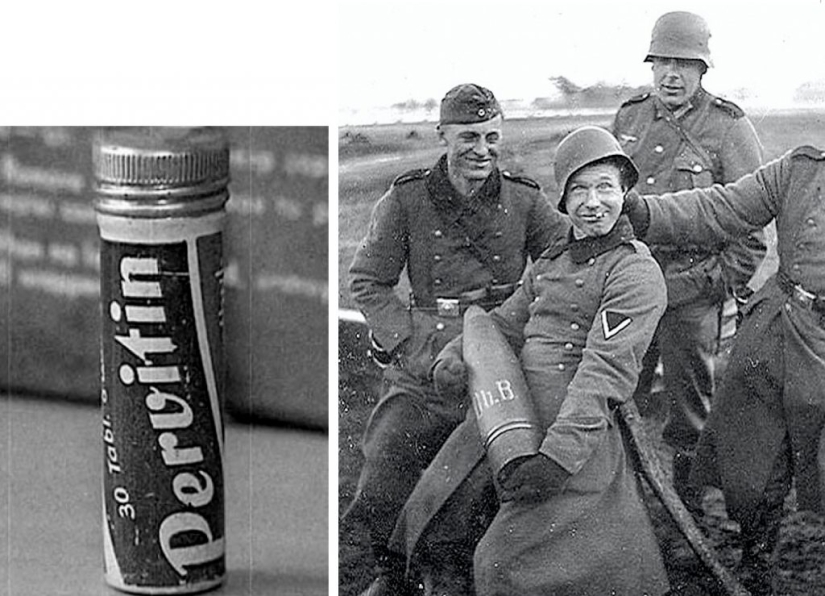
This is a letter from the future Nobel laureate Heinrich Bell to his parents, and it was not unusual-since 1939, Wehrmacht soldiers were given pervitin, benzedrine and isophane for cheerfulness, and when they lacked pervitin, they asked their parents to send it to them. It was not difficult for parents — in the Reich itself, pervitin was sold openly, even in the form of chocolates, which were nicknamed "panzerskolade" — "tank chocolate" for the fact that soldiers willingly bought it.
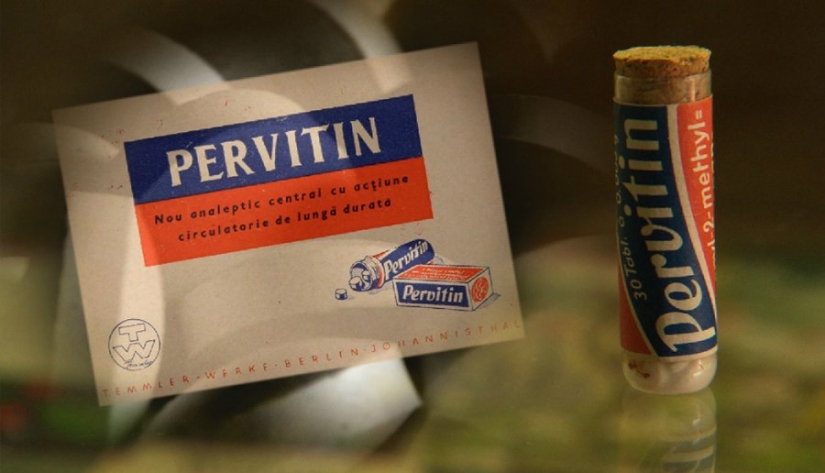
Medical certificate: Methamphetamine, or pervitin — is an artificial derivative of amphetamine, a white crystalline substance that has no smell and tastes bitter. It is a psychostimulant with an extremely high potential for addiction, and therefore, it has become widely used as a drug. Pervitin's street names are diverse: speed, chalk, speed (from the English word speed ‑speed). Taking pervitin causes a surge of strength and self-confidence, dramatically increases efficiency and concentration, relieves, despite the lack of sleep and rest, a feeling of fatigue, as well as pain, hunger and thirst. For the first time, amphetamine, the precursor of the described drug, was synthesized in Germany in 1887, and methamphetamine itself, easier to use, but also more powerful, was created in 1919 by the Japanese scientist A. Ogata.
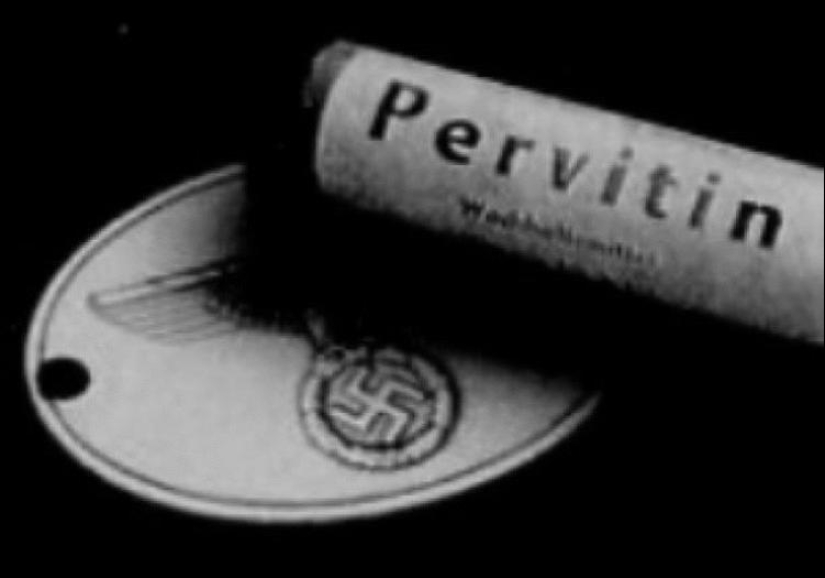
The first testers of pervitin were 90 students who in 1939, under the supervision of a military doctor Otto Ranke, took the drug and expressed confidence that the pills helped them to be cheerful and energetic, then tankers and drivers received it before the invasion of Poland, well, and after the success of the portion of pervitin, pilots began to receive. Allegedly, it was pervitin, benzedrine and isophane that contributed to the success of the Blitzkrieg in Europe. Only in April–July 1940, the Wehrmacht received 35 million tablets from the company "Knoll" with instructions to use up to 2 tablets a day for cheerfulness.
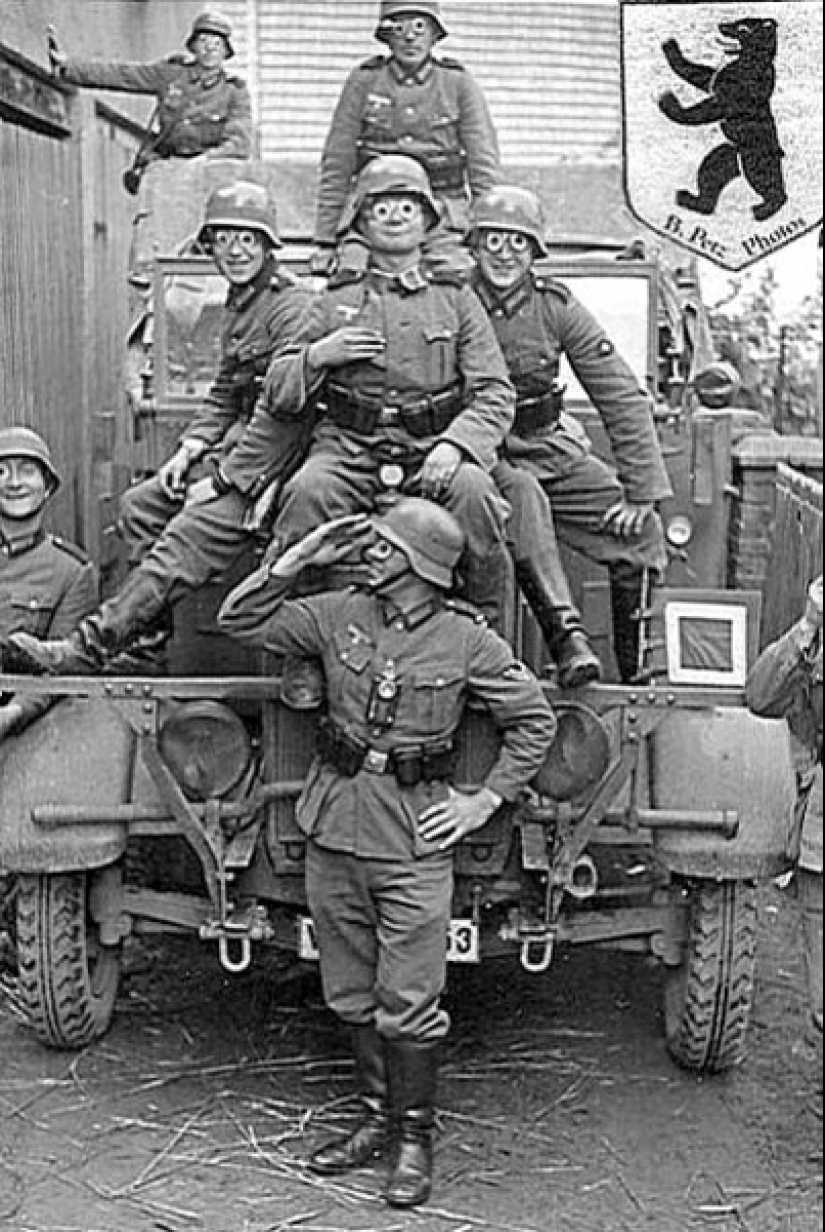
During the period from 1939 to 1945, hundreds of thousands of German soldiers were " fed " more than 200 million tablets of pervitin. A large dose was received by the units that participated in the capture of Poland, France, Holland and Belgium.
In 1944, a new miracle pill D-IX for submariners was tested at the Sachsenhausen camp. It contained 5 mg of cocaine, 3 mg of pervitin and 5 mg of oxycodone (an analgesic). By the way, the test prisoners were not at all low-income, but well-fed guys of a sporty appearance. Thanks to the D‑IX tablets, the crews of submarines could go without sleep for up to 4 days.
It's funny that the creators of the miracle pills were taken to the United States after the war, where they created "cheerfulness pills" for the troops in Korea and Vietnam. On the basis of pervitin, of course. In 1966-1969 alone, the US Army swallowed 225 million tablets of dextroamphetamine and pervitin. It is believed that American soldiers stopped officially "sticking around" in 1973, in reality-who knows?
Keywords: Health and medicine | History | Soldiers | World War II | Methamphetamine | Pills
Post News ArticleRecent articles

It's high time to admit that this whole hipster idea has gone too far. The concept has become so popular that even restaurants have ...

There is a perception that people only use 10% of their brain potential. But the heroes of our review, apparently, found a way to ...
Related articles

Immunity to poisons at all times been the dream of all authority. List of popes, kings and emperors, gave his soul to God through ...

In the fall of 1972, Bill Yates traveled through the countryside in the vicinity of Tampa, Florida. At that time, he was studying ...

When a person is in a life-threatening situation is awful, but even worse when it happens to a child. 11-year-old American Terry ...
New Year's is a time to surprise and delight loved ones not only with gifts but also with a unique presentation of the holiday ...