
The very first color portraits of Russian residents
Russian Russian photographer, chemist (Mendeleev's student), inventor, publisher, teacher and public figure, member of the Imperial Russian Geographical and Photographic Societies Sergey Mikhailovich Prokudin-Gorsky. Being a pioneer of color photography in Russia, he created "Collections of sights of the Russian Empire", making a significant contribution to the development of photography and cinematography.
Prokudin-Gorsky was born on August 30, 1863 in the city of Murom, Vladimir province. He studied at the Technological Institute in St. Petersburg, then continued his education in Germany, where he got acquainted with the works of the German chemist A. Mitet on color reproduction. Since that time, he has been interested in photography and begins research in a new field — color photography.
We have prepared a series of the first color portraits of the inhabitants of Russia by this outstanding Russian photographer.

1. A girl with strawberries. The village of Topornya. Vologda province, 1909.
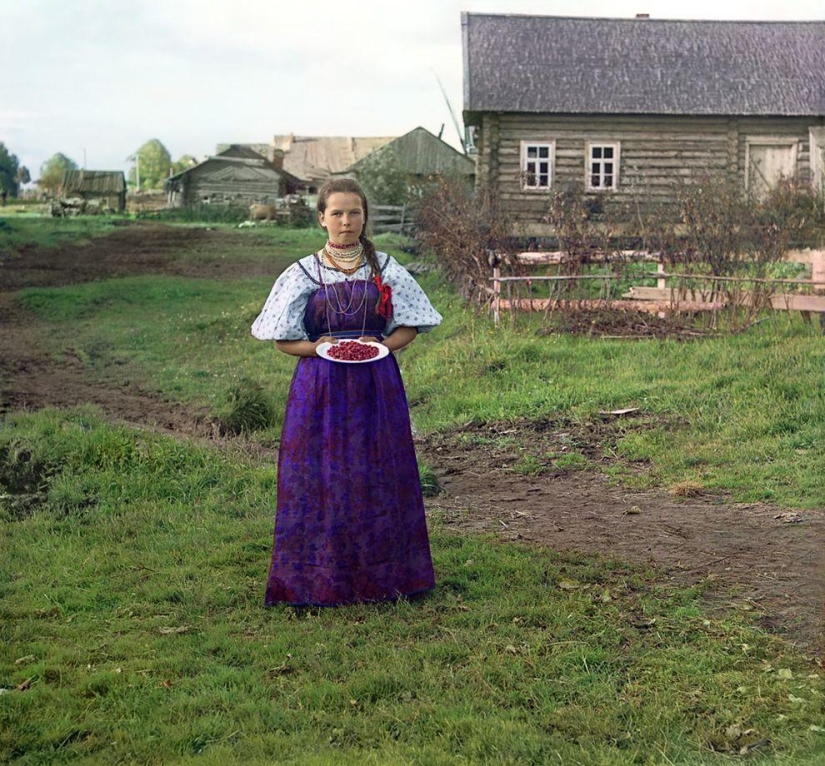
2. Peasant girls. The village of Topornya. Vologda province, 1909.

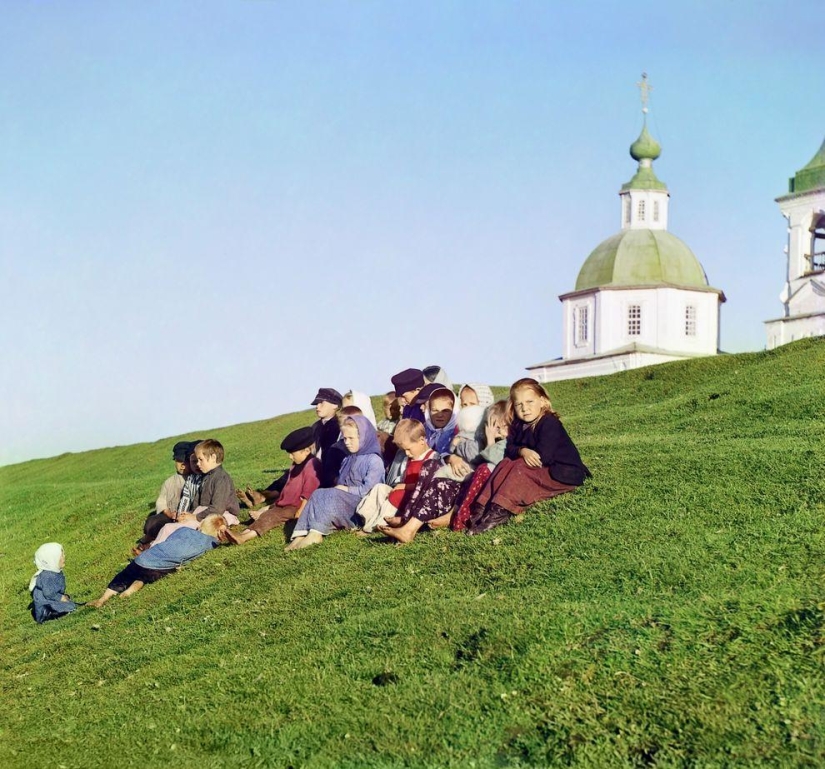
3. Children in Belozersk, Vologda province, 1909.
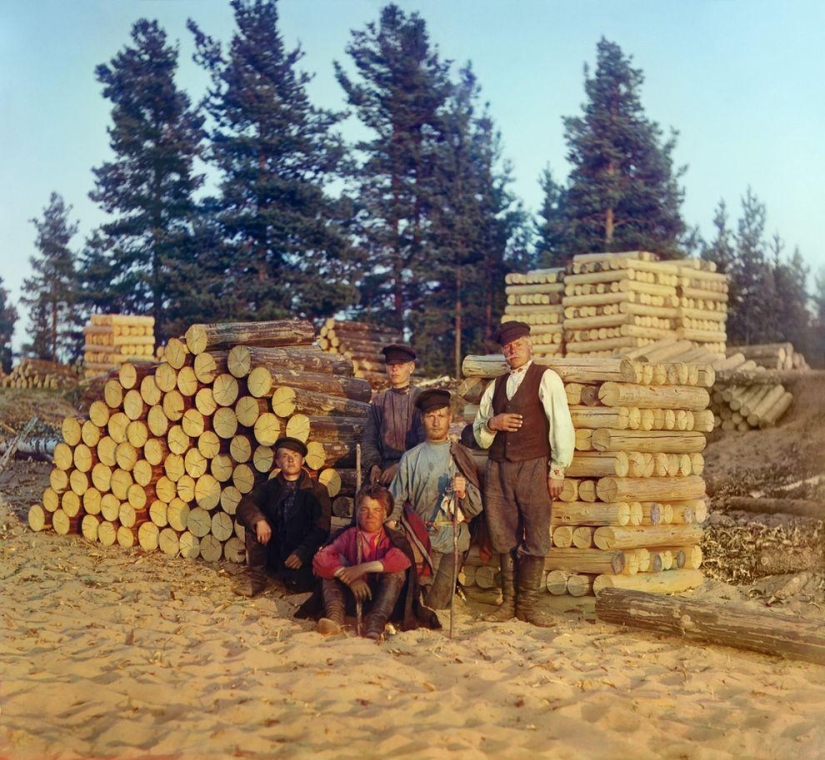
4. Sawyers on Vytegra. Lake Onega, 1909.
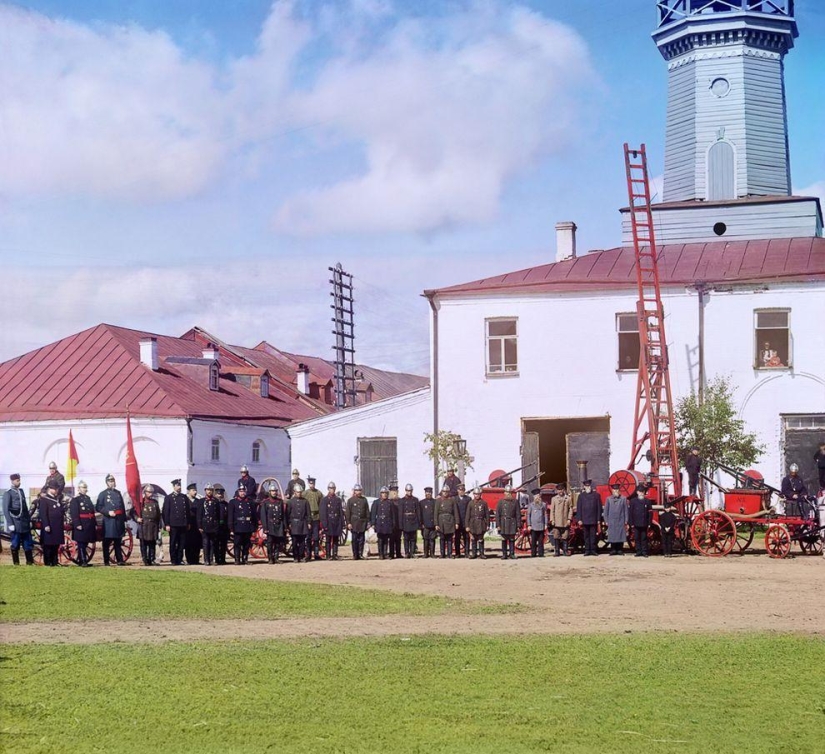
5. The fire brigade in Vytegra, the shore of Lake Onega, 1909.
6. Peasant woman, Perm province.

7. Construction of a dam in Beloomut, Moscow province, 1912.

8. Peasants.
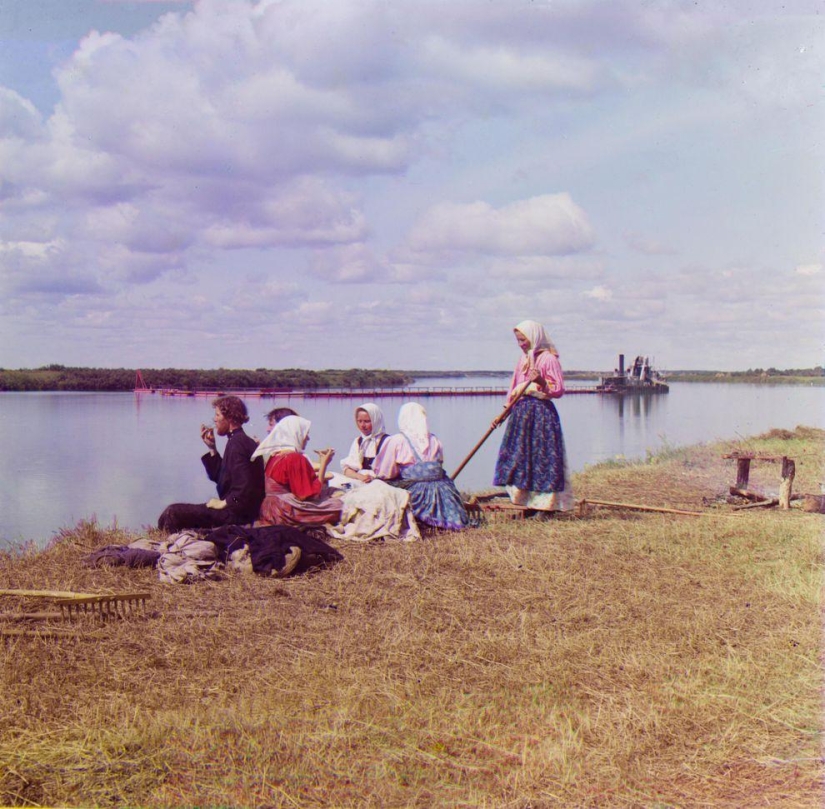
9. On the harvest. Vologda province, 1909. 10. Peasant family.

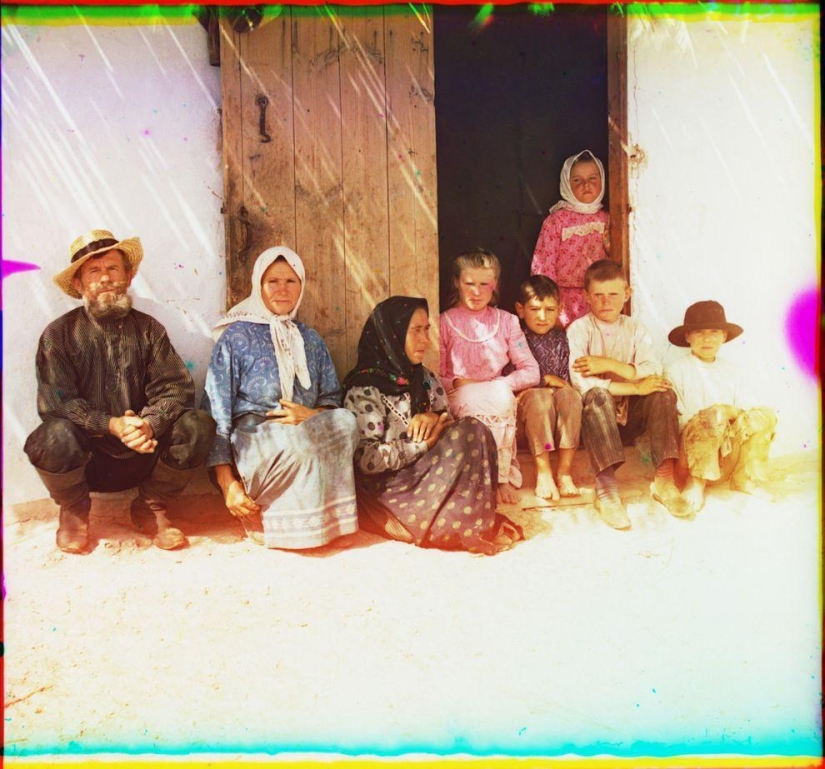
11. The only "unsolved" portrait taken by a photographer.
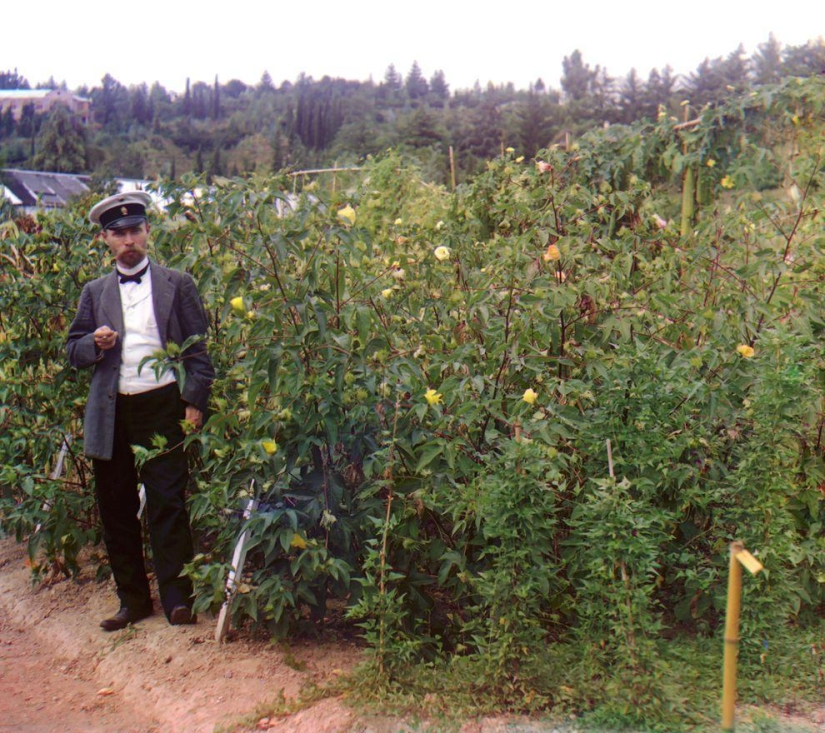
12. City employee, 1907.

13. City employee A.P. Kalganov poses for a portrait with his son and granddaughter, the city of Zlatoust.
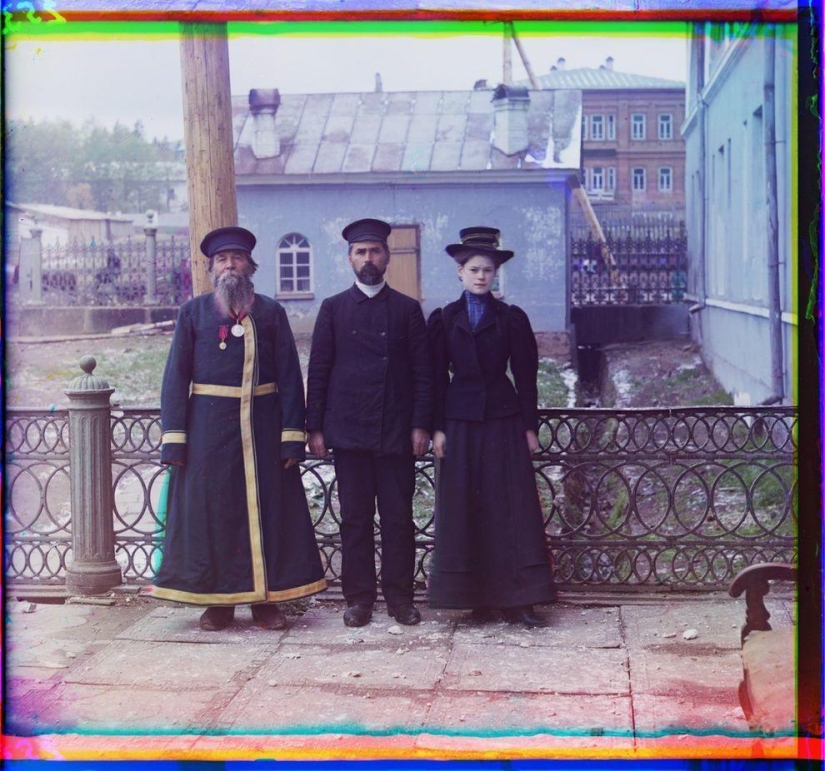
14. On the right — S.M. Prokudin-Gorsky. Expedition to the Arkhangelsk province.
Keywords: XX century | Retro | Russian Empire | Color photography
Post News ArticleRecent articles

It's high time to admit that this whole hipster idea has gone too far. The concept has become so popular that even restaurants have ...

There is a perception that people only use 10% of their brain potential. But the heroes of our review, apparently, found a way to ...
Related articles

In the fall of 1972, Bill Yates traveled through the countryside in the vicinity of Tampa, Florida. At that time, he was studying ...

In this post we will talk about those times, when the concept of "care for children" had a completely different meaning than now. ...

The formation of Russian names occurred centuries under the influence of many factors and cultures. Despite this, our imenoslov ...
New Year's is a time to surprise and delight loved ones not only with gifts but also with a unique presentation of the holiday ...