
The trailer will not move, there are no platforms left: Stalin's road of death in the Arctic
Categories: History
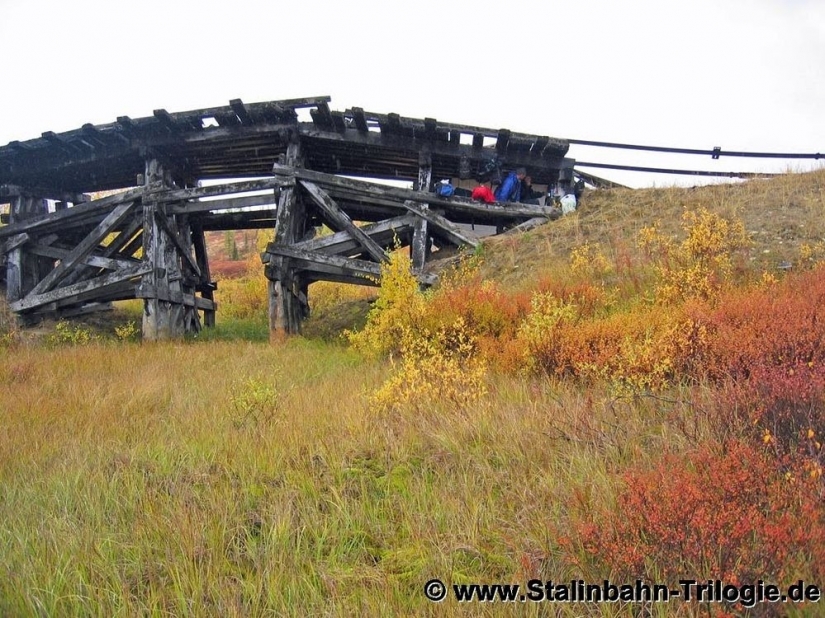
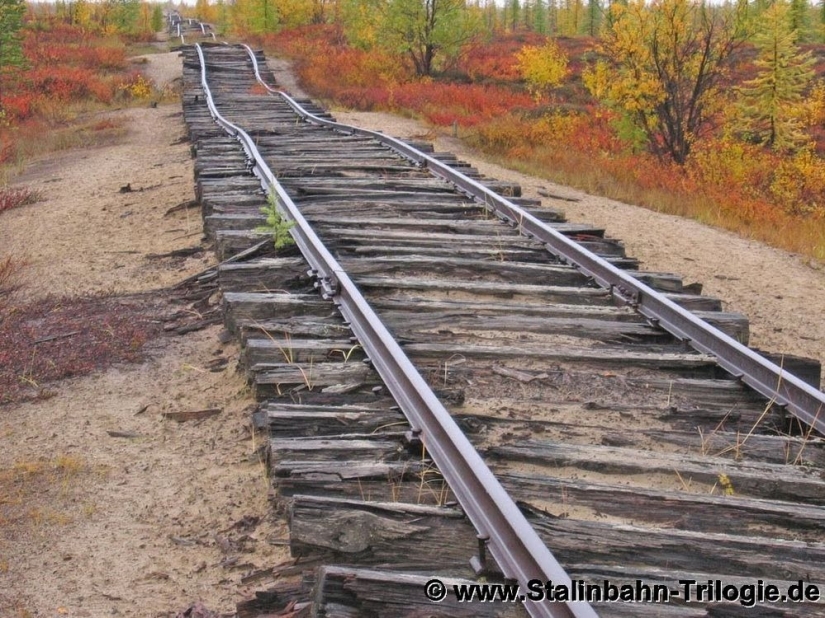
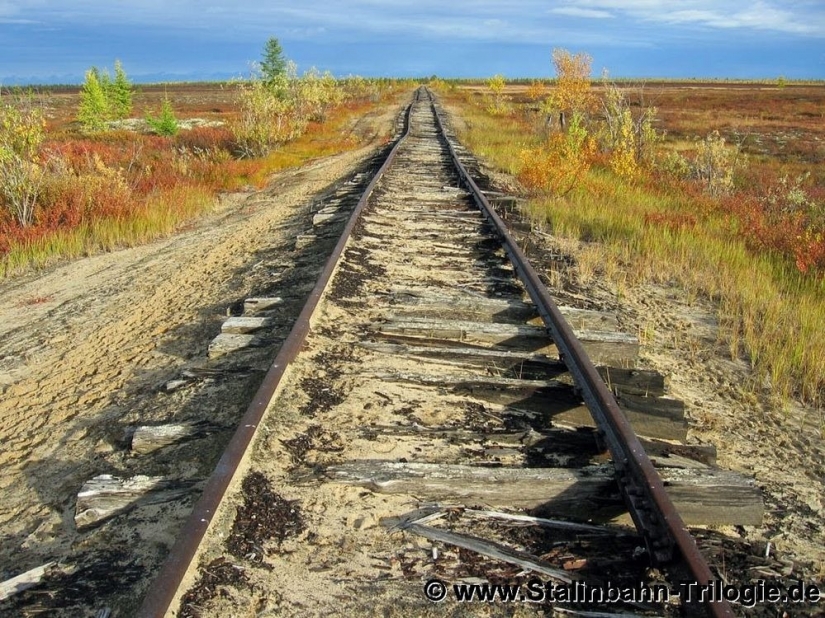
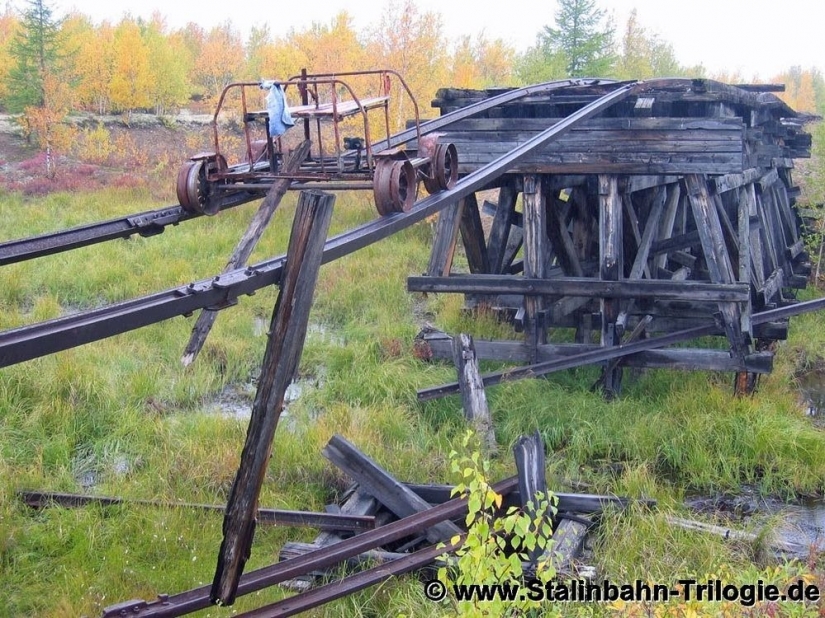
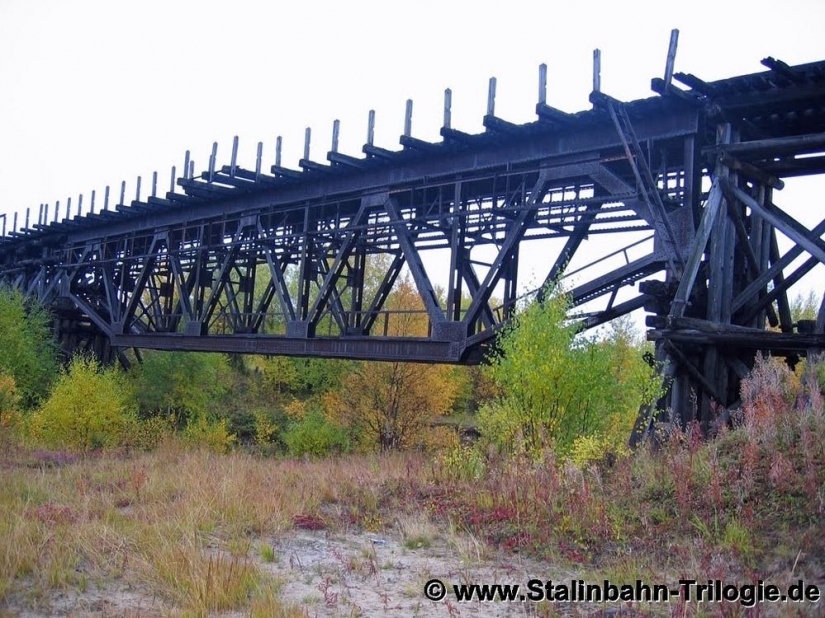
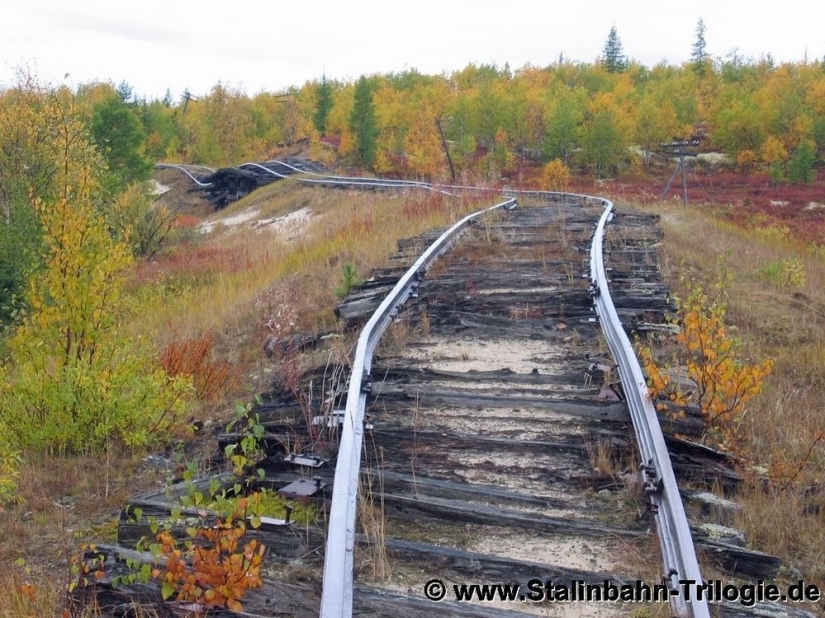
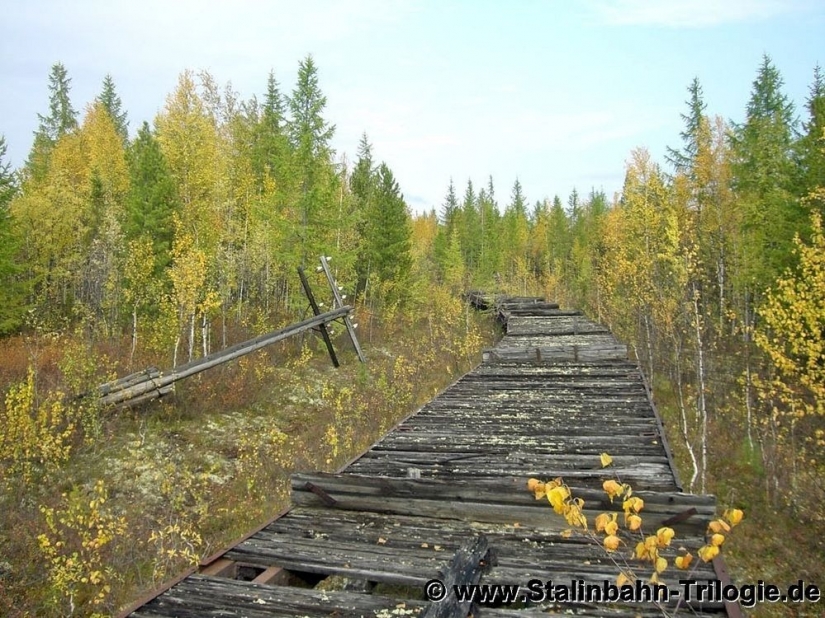
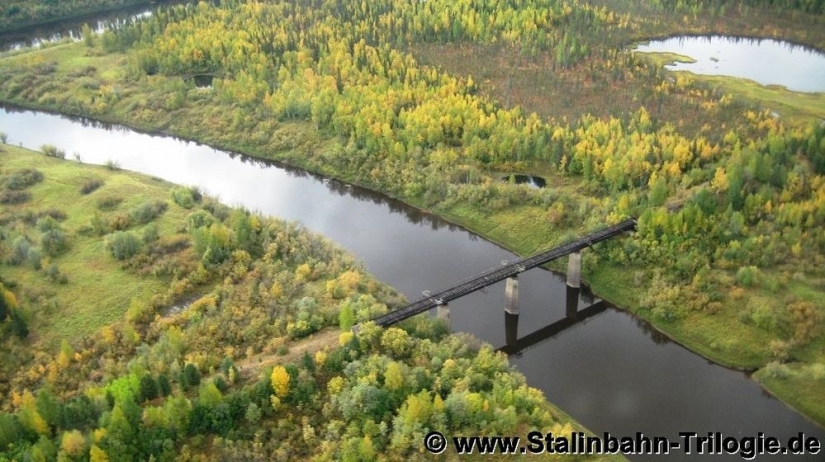
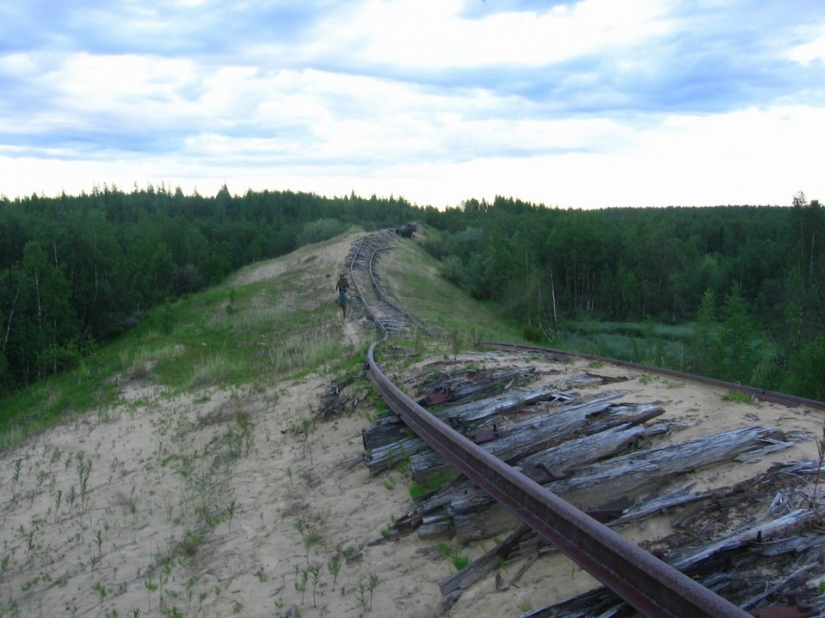
By Pictolic https://mail.pictolic.com/article/the-trailer-will-not-move-there-are-no-platforms-left-stalins-road-of-death-in-the-arctic.htmlIn the suburbs of Salekhard, the capital of the Yamalo-Nenets Autonomous Okrug, almost on the Arctic Circle lie the remains of the abandoned Salekhard-Igarka railway, also known as the Death Railway, the Death Road and the Dead Road. The length of this railway line, according to the plan of the Soviet leadership, was supposed to be about 1300 kilometers. It was planned that it would become part of the Stalinist Transpolar Highway-a railway of gigantic proportions that would connect the western and eastern parts of Siberia, from the city of Inta in the Komi Republic through Salekhard to Igarka, located on the banks of the Yenisei. The project of the line was never completed, but during the construction of the road, tens of thousands of people died.
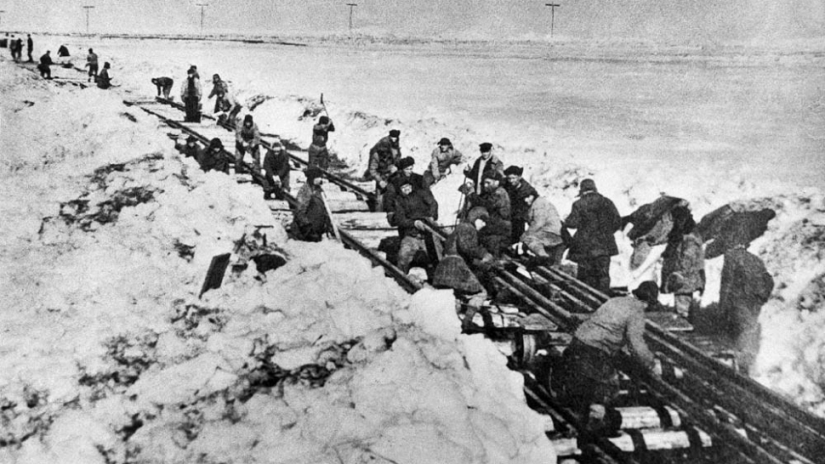
Most of the workers who took part in the construction of the road were prisoners of the GULAG labor camps, where those convicted of political crimes were sent. However, political crimes in those days included a very wide range of violations of the law, from writing poems that were incorrect from the point of view of the official authorities and staying in German concentration camps to stealing beets in order to feed hungry children. Such people were called enemies of the people and sent to GULAG camps, where the prisoners suffered countless hardships and were subjected to terrible abuse.
Initially, the plans included the construction of a port in Salekhard on the Ob River and the implementation of transport supplies by water from large industrial enterprises, such as the nickel plant in Norilsk. However, when it turned out that the mouth of the Ob River was too shallow for sea vessels, it was decided to build a port in Igarka on the Yenisei River. With the help of the first part of the highway, it was planned to connect Salekhard with Igarka, with a possible further extension of the road from Igarka to the south-east, to the Trans-Siberian Railway.
But the reality was different from the management's plans. Despite Stalin's ambitious plans to conquer the Arctic nature, there was not much demand for this railway line. The Siberian factories were already well served by the existing railways that ran much further south, and the Yamalo-Nenets Autonomous District itself was too isolated and sparsely populated for the road to be so necessary.
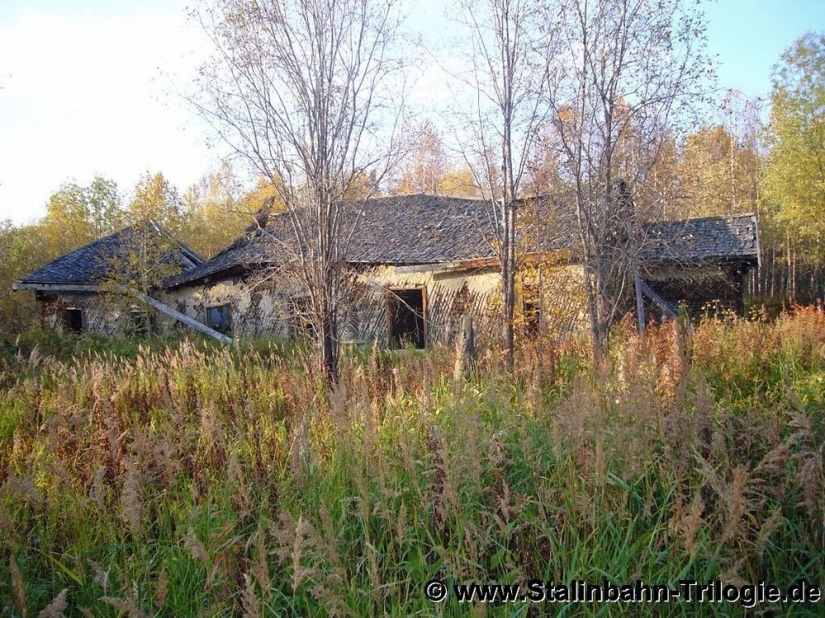
The working conditions were very harsh. In winter, the temperature dropped to -60 degrees Celsius, and the winds during blizzards chilled to the bone. In the summer, giant clouds of creepy mosquitoes brought disease and death with them. The cost of life was small, and beatings were not uncommon, and only the strongest, most stable and strong-minded survived in these conditions.
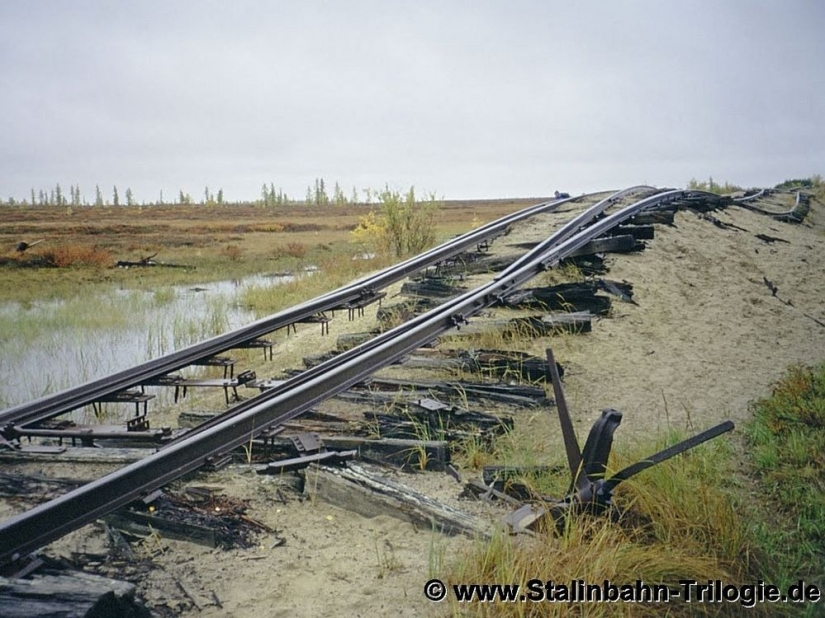
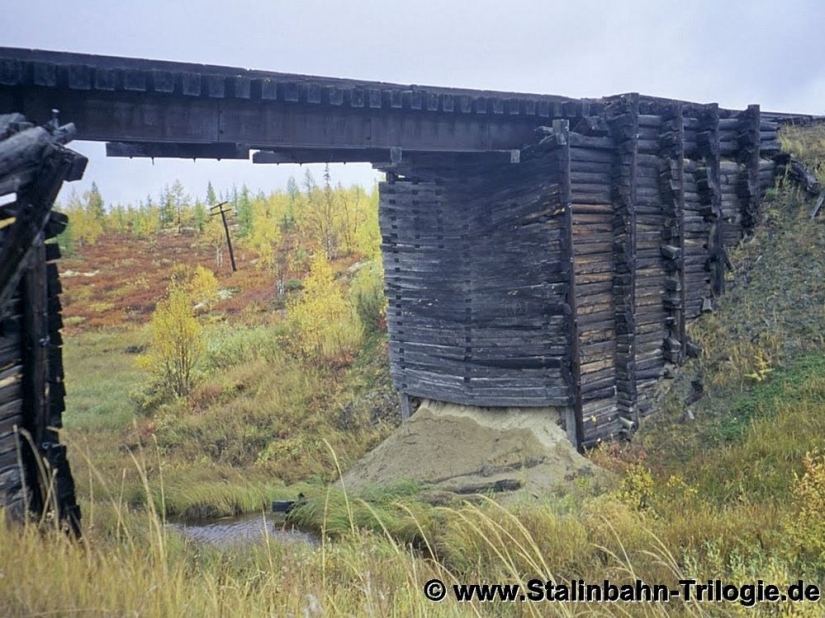
Serious technical problems related to the construction of a railway in the middle of permafrost were not solved. Due to the lack of equipment, logistical difficulties and lack of materials, the quality of work was at a very low level. Bridges collapsed, and meltwater and rain washed away the embankments.
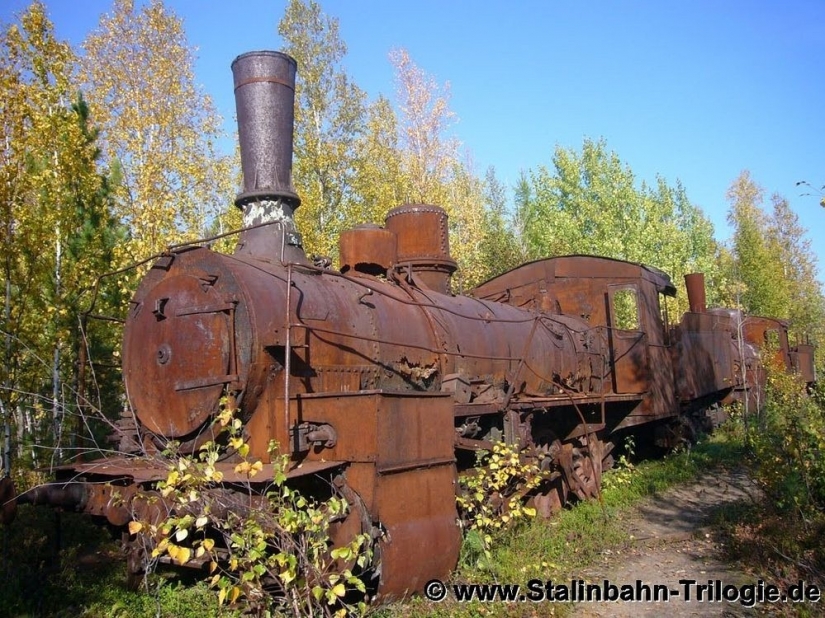
With the death of Stalin in 1953, the work stopped. By this time, the amount spent on the construction of the polar railway was about 42 billion Soviet rubles in 1953 (which is about 10 billion dollars in 1950).
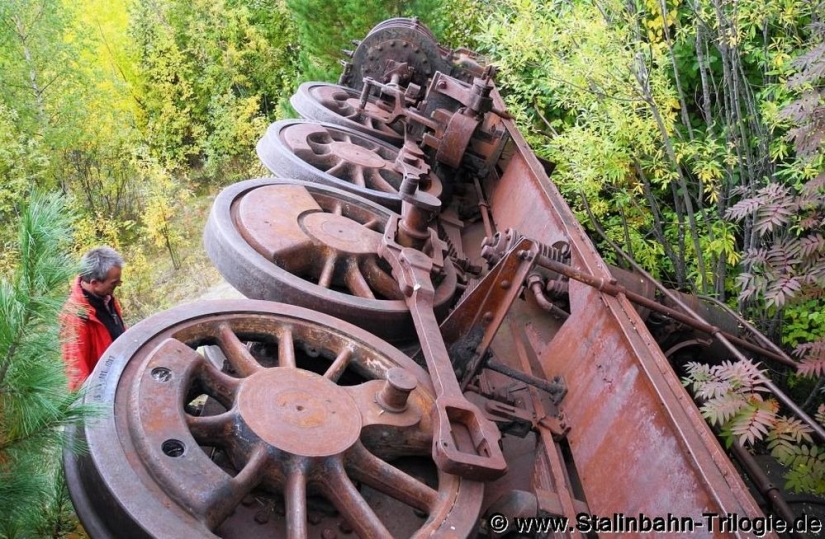
It is unlikely that the exact number of construction workers killed will ever be known. It is believed that about a third of those who took part in the construction died.
Keywords: Russian Federation | History | Construction | Railway | Arctic circle | Past | USSR | Communism | North | Stalin | Repression | GULAG
Post News ArticleRecent articles

It's high time to admit that this whole hipster idea has gone too far. The concept has become so popular that even restaurants have ...

There is a perception that people only use 10% of their brain potential. But the heroes of our review, apparently, found a way to ...
Related articles

In the fall of 1972, Bill Yates traveled through the countryside in the vicinity of Tampa, Florida. At that time, he was studying ...

When a person is in a life-threatening situation is awful, but even worse when it happens to a child. 11-year-old American Terry ...

Remember how broke the "unbreakable" scoop? The photo preserved in the photo album of almost every family! A selection of vintage ...
New Year's is a time to surprise and delight loved ones not only with gifts but also with a unique presentation of the holiday ...