
"The Beautiful Chocolate Maker" — the mystery of the famous painting by Liotard
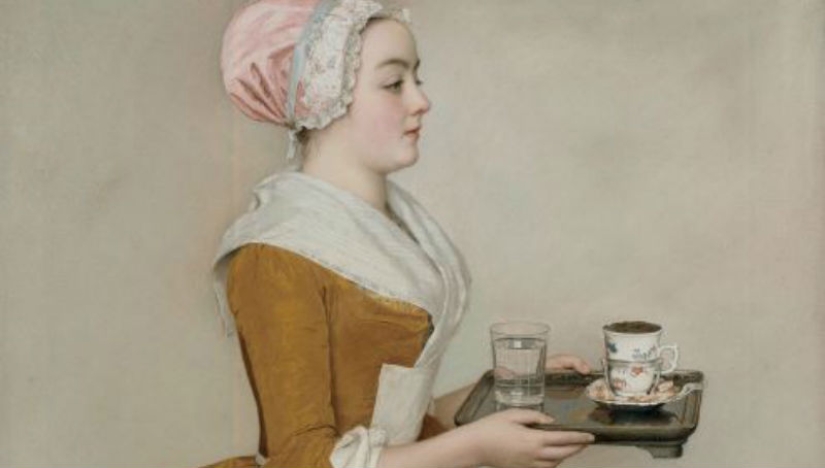
"The Beautiful Chocolate Maker" — a portrait of a neatly dressed beauty gracefully holding a tray with a cup of hot chocolate and a glass of water — is one of the most famous works by Jean-Etienne Liotard and the pearl of the Old Masters Gallery in Dresden. The painting was considered a masterpiece during the artist's lifetime.
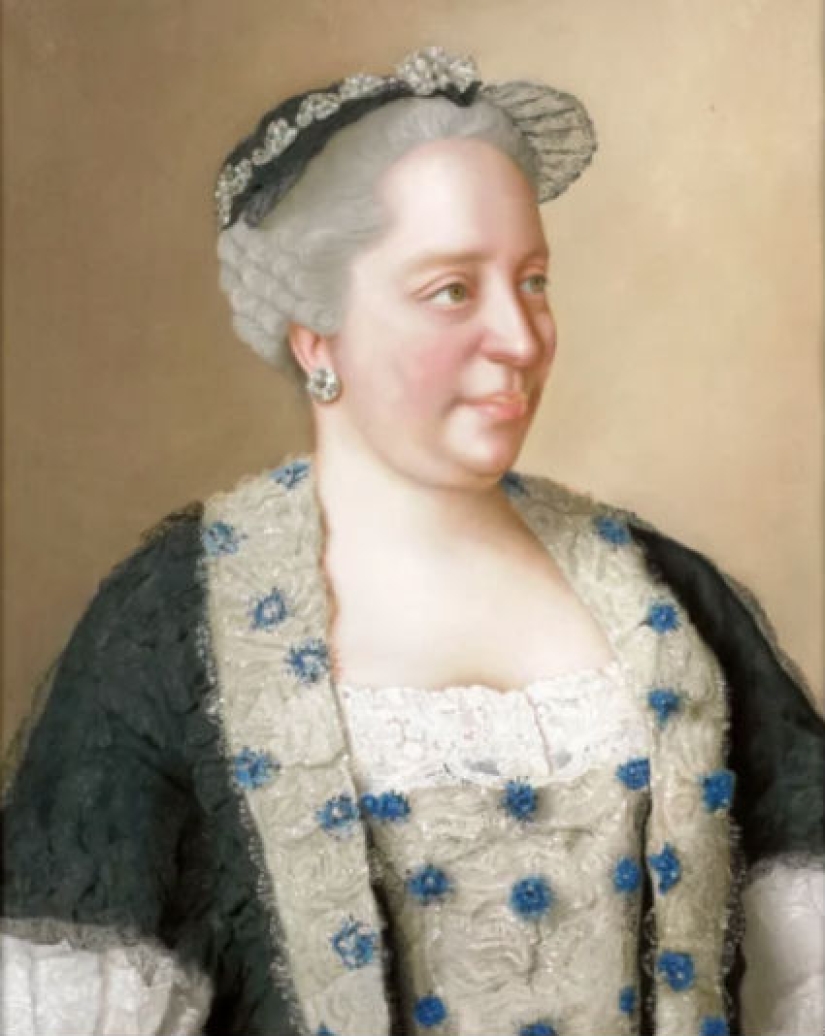
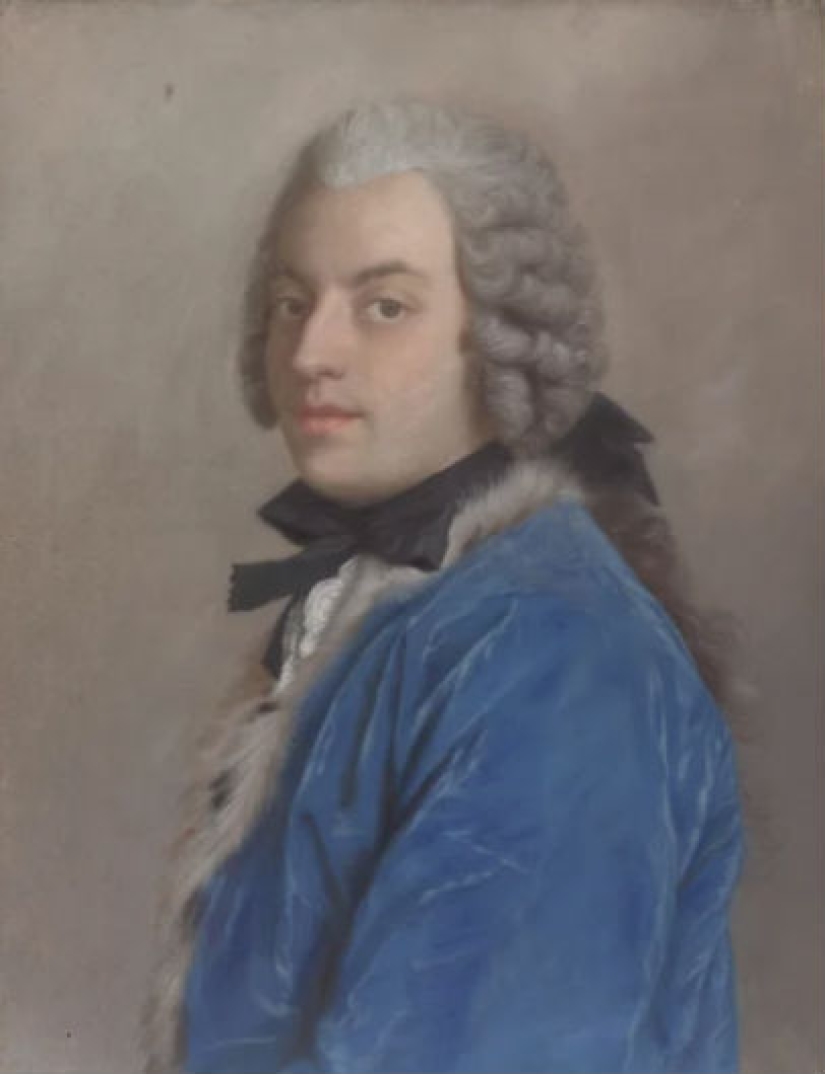
The image was created between 1743 and 1745 at the court of the Austrian Empress Maria Theresa. At that time , the Swiss artist was in Vienna, where he painted portraits of the ruler and her husband.
On February 3, 1745, the painting was purchased from Liotard in Venice by Count Francesco Algarotti, who was an art agent of two monarchs - the Prussian King Frederick II and the Polish King August III of Saxony. The latter in February 1751 wrote to his friend, art critic Pierre-Jean Mariette: "I bought a pastel painting about three feet high, painted by the famous Lyotard. It depicts a young German maid in profile carrying a tray with a glass of water and a cup of chocolate. The painting is almost devoid of shadows, with a pale background and light coming from two windows reflected in a glass. It is painted in semitones with imperceptible transitions of light and executed perfectly ... and although it is a European painting, it may appeal to the Chinese, who, as you know, are sworn enemies of shadows. As for the perfection of the work, this is Holbein in pastels."
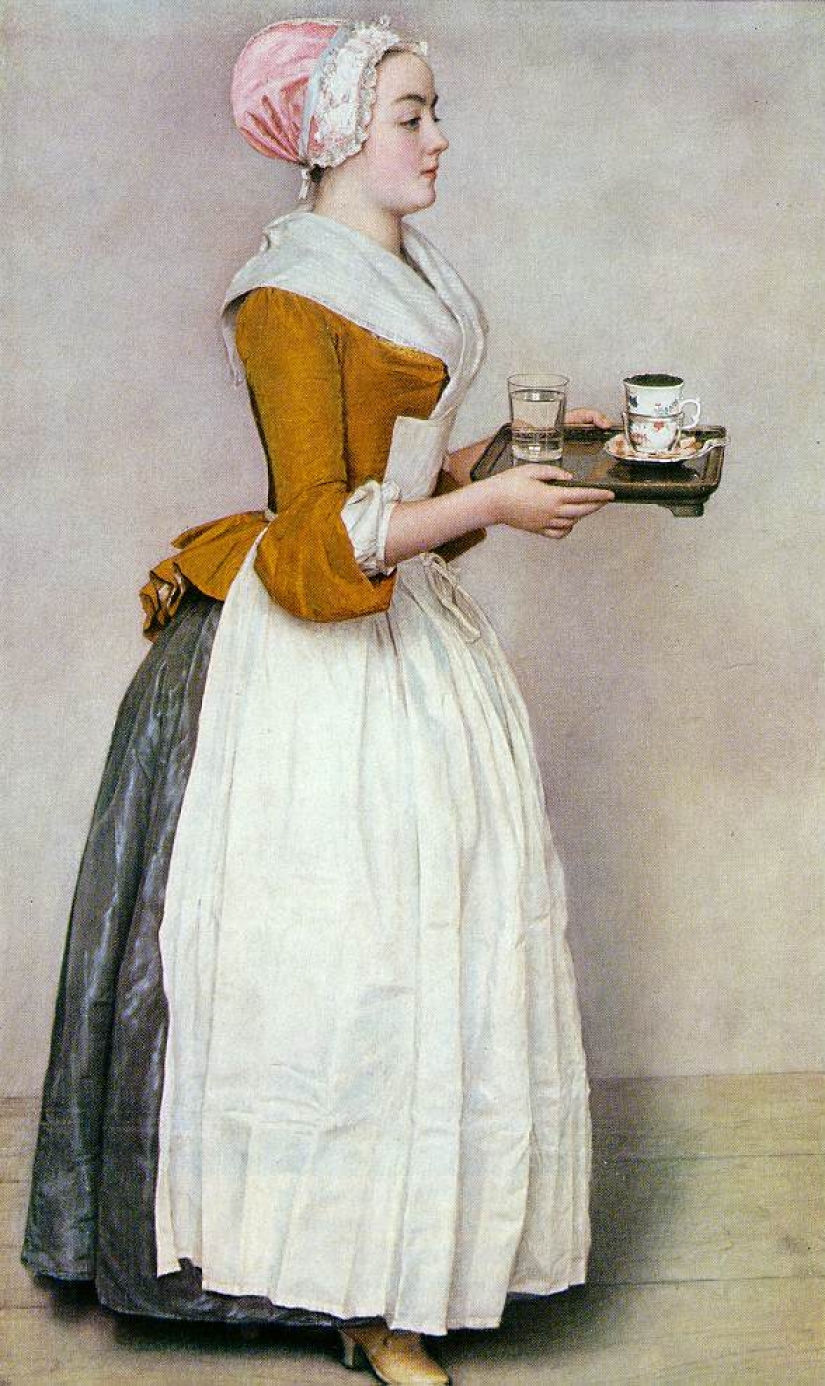
The painting has been part of the collection of the Old Masters Gallery in Dresden since 1855.
But who was the model for the "Beautiful Chocolate Maker" has not been reliably established. Most likely, this is one of the unmarried girls at the court, who struck the painter with her beauty. In those days, it was customary to call young beauties from families of the "lower" nobility to the court and make them companions for ladies from the "higher" nobility.
It is very often claimed that Anna (Annelle or Nannelle) Baltauf, the daughter of the impoverished cavalier Melchior Baltauf, posed for Lyotard, who may have been invited to the court as such a confidante. The young Prince von Dietrichstein was allegedly struck by her beauty, fell in love and got married — leading the entire upper class into confusion.
A more romantic version of this story says that a young Dietrichstein came to a Viennese cafe to try a newfangled drink — hot chocolate. There he met Anna Baltauf, who served visitors. He instantly fell in love with the girl and came to the institution almost daily for the next few weeks. In the end, he married his passion, despite the resistance of the upper nobility. As a wedding gift, he ordered Lyotard a portrait of the bride in the clothes in which he met her for the first time.
Despite the fact that the beginning of the story of the "Beautiful Chocolate Maker" is more like a fairy tale, its continuation is well documented.
In 1881, Henry Pierce, president of Walter Baker, the leading cocoa and chocolate company in the United States, came to Europe to get acquainted with the methods of cocoa production. In the Dresden Royal Gallery he saw a painting by Liotard. He was impressed by the portrait itself and its romantic story — and since then, the "Beautiful Chocolate Maker" has become one of the first registered trademarks in economic history. Since the 1880s, the image of Anna Baltauf has been captured and replicated on millions of cocoa cans and advertising booklets.
Around 1900, the "Beautiful Chocolate Maker" inspired the artist Jan Musset (most likely it was him) to create the image of a "nurse" for the Droste trademark. The description said that "the illustration indicates the beneficial effect of chocolate milk and is inextricably linked with the name Droste."
During the Second World War, the Germans moved the original painting to the Konigstein Fortress. The fragile work managed to endure the cold and dampness. Pastel returned to Dresden after the Nazis retreated under the onslaught of Soviet troops.
Keywords: Painting | Riddle | Riddles | Artist | Chocolate
Post News ArticleRecent articles

It's high time to admit that this whole hipster idea has gone too far. The concept has become so popular that even restaurants have ...

There is a perception that people only use 10% of their brain potential. But the heroes of our review, apparently, found a way to ...
Related articles

Mikhail Vachaev, an artist from Yekaterinburg, is a master with an original style, whose paintings cannot be confused with the ...

Russian artist Andrey Shatilov has chosen a difficult path — he paints oil paintings. In the digital age this commitment to ...

Artists perpetuate the images of his muses in paintings, sculptures and other works. Them they draw inspiration for creativity. ...
New Year's is a time to surprise and delight loved ones not only with gifts but also with a unique presentation of the holiday ...