
Newly discovered animals you haven't seen yet
Categories: Animals | Ecology | Nature | Travel | World
By Vika https://mail.pictolic.com/article/newly-discovered-animals-you-havent-seen-yet.htmlHave you seen some of the recently discovered animals? They are incredible. Some of them have strange characteristics that we have never seen before. Are you ready to see these incredible animals?
21 PHOTOS
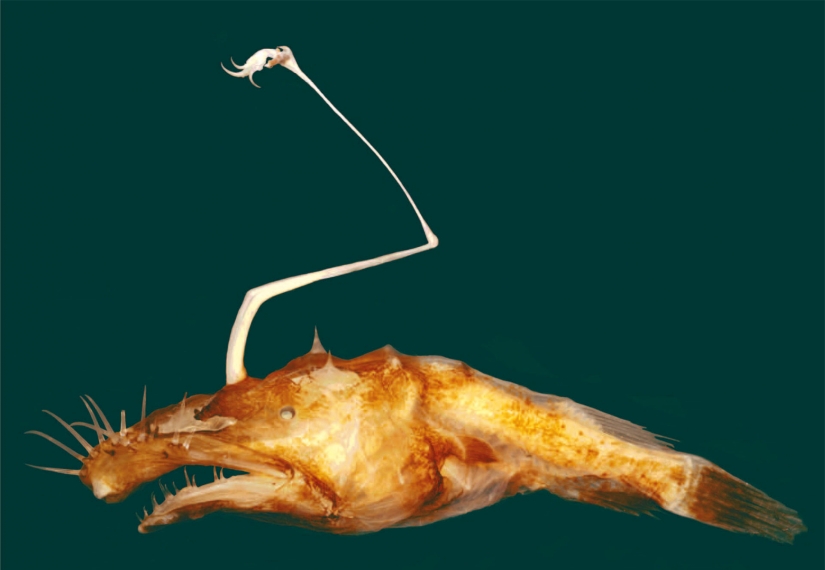
1. Lasiognathus Dinema.
Lasiognathus Dinema is native to the deep waters of the northern Gulf of Mexico. This fish can be found at depths of 1000 to 1500 m.
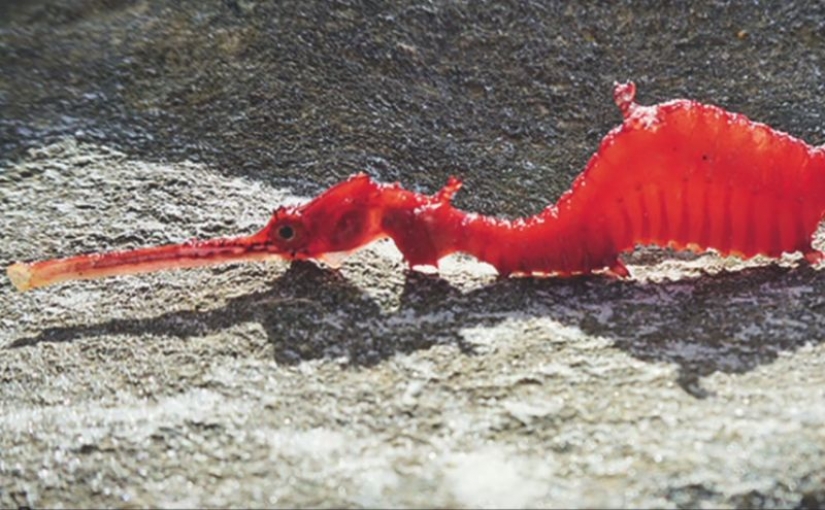
2. Phyllopteryx Dewysea.
Phyllopteryx Dewysea is a small saltwater fish that lives off the coast of Western Australia. This species was first described in 2015.
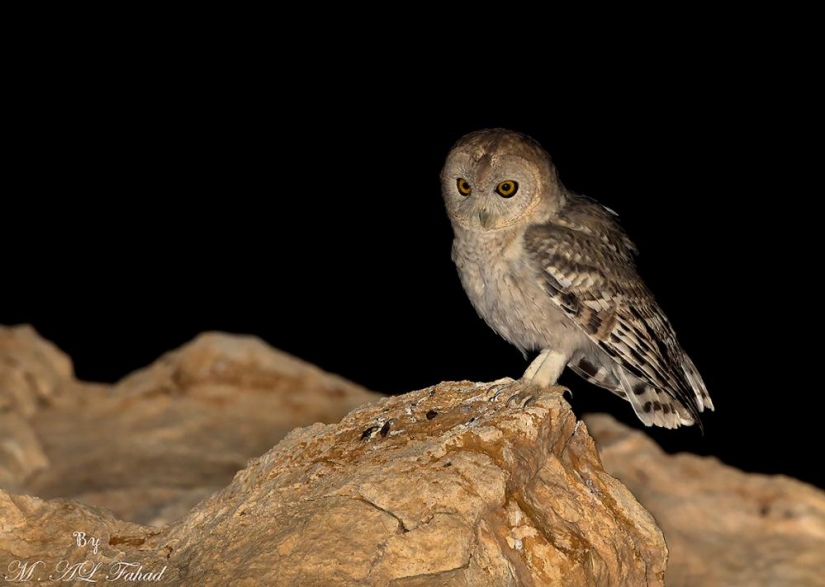
3. Strix Hadorami.
Strix Hadorami is also known as the Barred Owl, a recently discovered species of owl. Found in deserts, semi-deserts, rocky ravines, and palm groves in North Africa and the Arabian Peninsula, this nocturnal bird feeds on field birds, mice, and large insects.
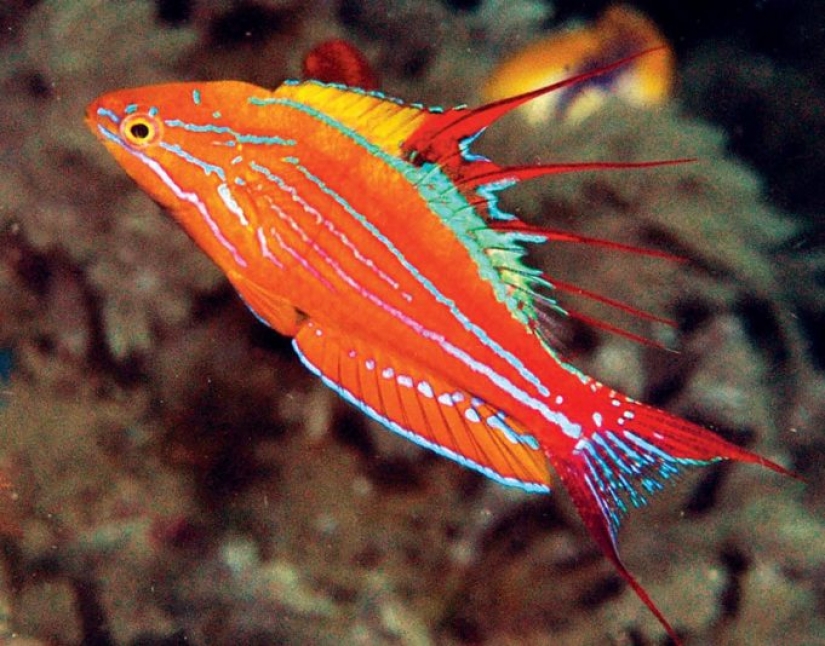
4. Paracheilinus Paineorum.
Parachilinus Paineorum, discovered in Central Indonesia back in 2016, is a new, beautifully colored species.
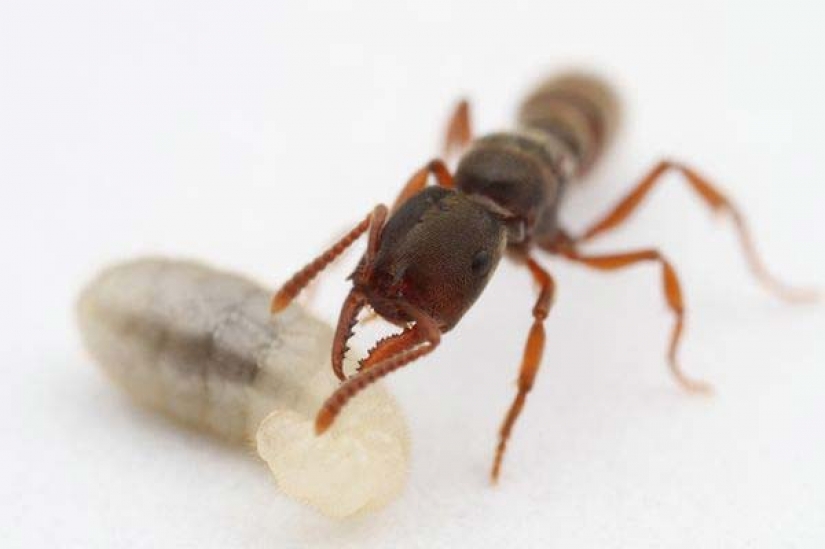
5. Dracula Ant.
Six new species of the mysterious and have recently been identified in Madagascar. Known as Dracula ants, these bizarre ants suck up the juices of their young.

6. Arapaima.
Arapaima, one of the world's largest, most endangered, and most mysterious freshwater fish, was already known to scientists, but in 2016 a completely new species of this strange Amazonian creature was discovered in several places in southwestern Guyana.
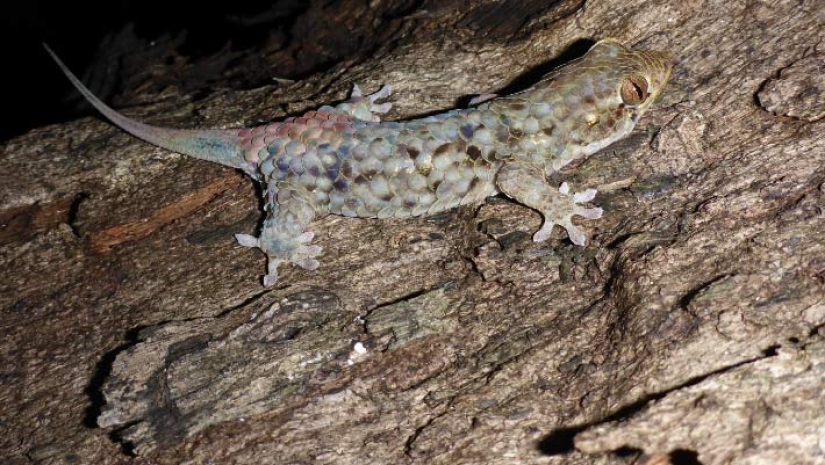
7. Geckolepis Megalepis.
Geckolepis Megalepis is a species of gecko that was recently found in North Madagascar. This gecko can peel off its scales as a defense mechanism when attacked by a predator.
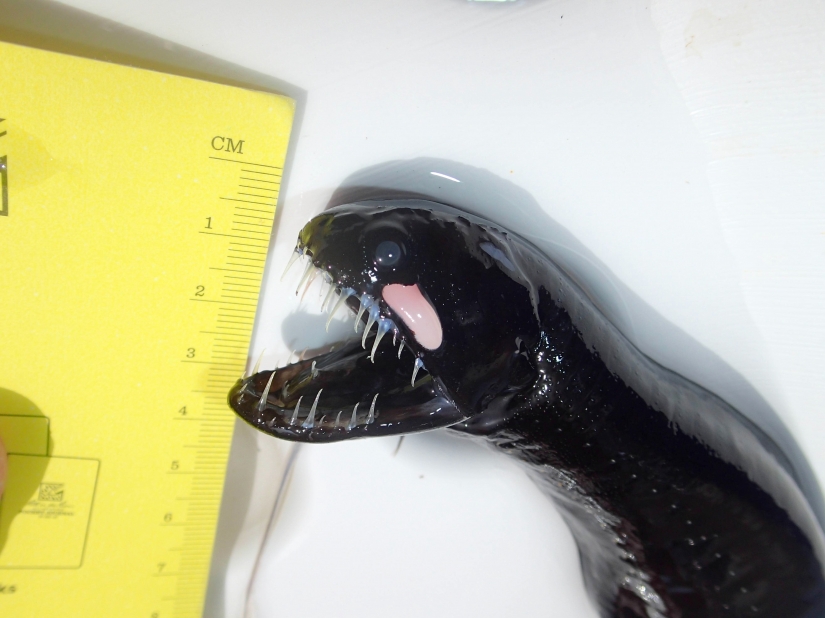
8. Scaleless Blackfish.
This bizarre blackfish was discovered by scientists as part of the Commonwealth R&D organization off the coast of Australia in 2015.
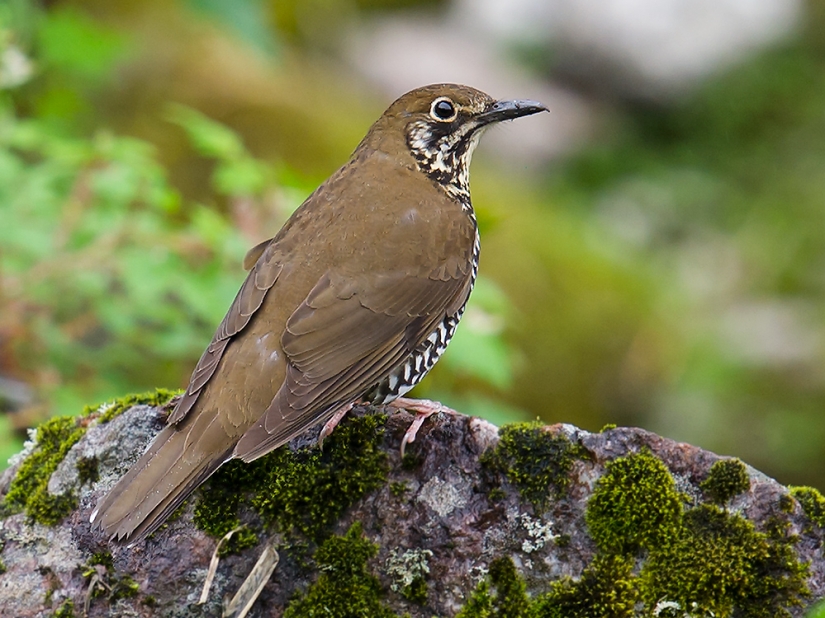
9. Himalayan thrush.
The Himalayan Thrush is a bird species described in 2016. They have shorter legs, tails, and wings than their alpine counterpart.
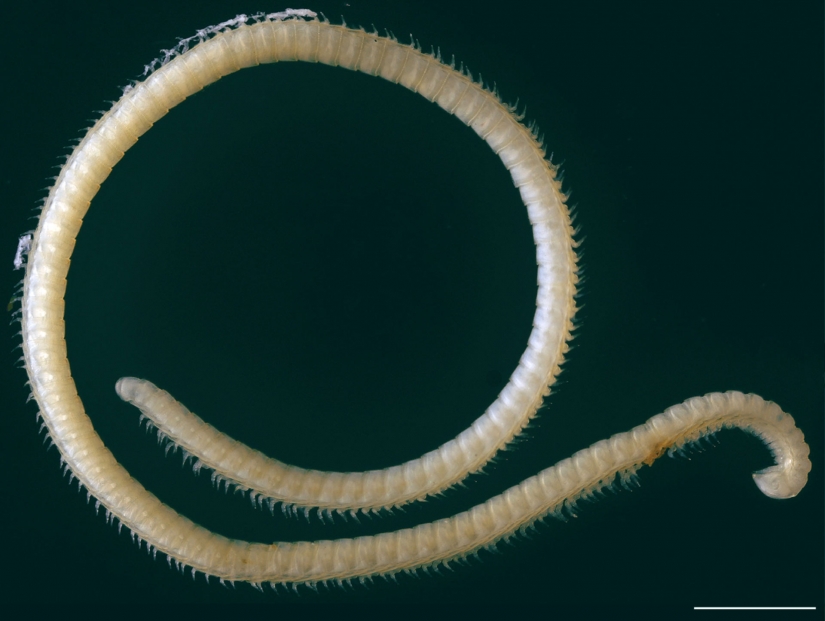
10. Illacme tobini.
Discovered in the marble caves of California's Sequoia National Park, this centipede surprised scientists. Called Illacme tobini, this creature has 414 legs, four penises, and secretes toxic chemicals as a defense mechanism.
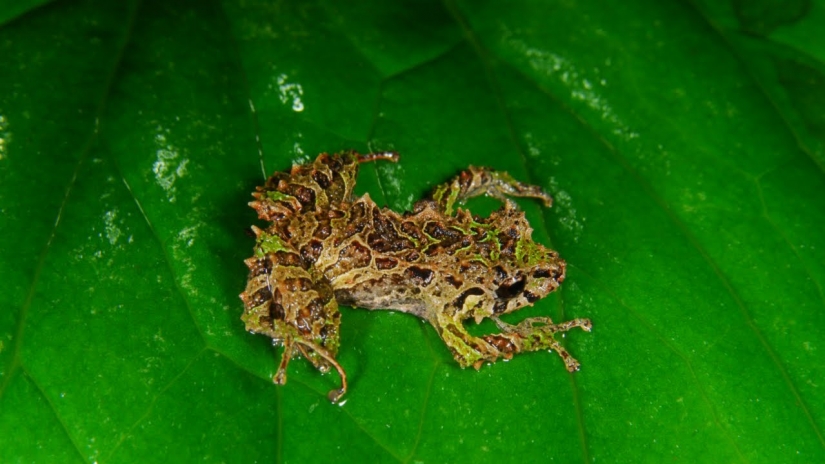
11. Shape-Shifting frog.
This amphibian was discovered deep in the Ecuadorian rainforest and is the first amphibian known to change its skin texture. The choppy rain frog has an incredible ability to go from smooth skin to spiny skin in minutes.
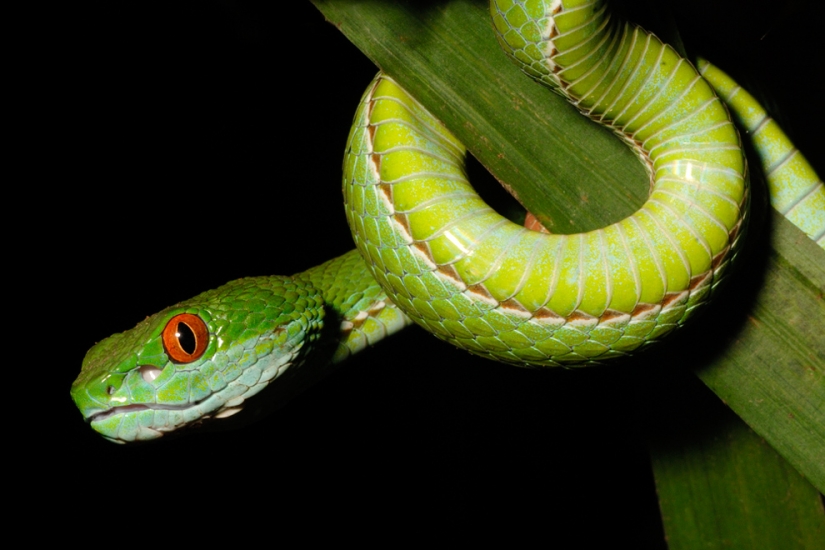
12. Cryptelytrops Rubeus.
Cryptelytrops Rubeus, also known as the Ruby Poison Pit, is a recently described snake species native to the dense evergreen forests of southern Vietnam and eastern Cambodia.
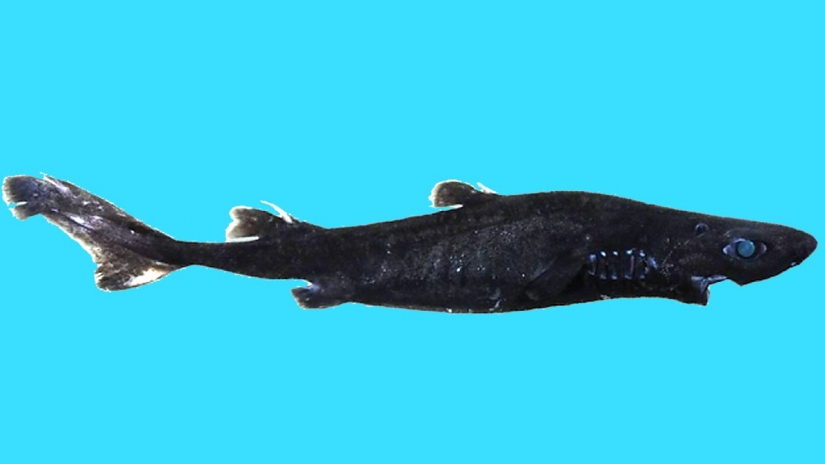
13. Ninja lantern shark.
Found in the eastern Pacific, Ninja lanternshark is painted black with white markings around the eyes and mouth. In addition to its color, it differs from other deep-sea ones in the absence of bioluminescent organs.
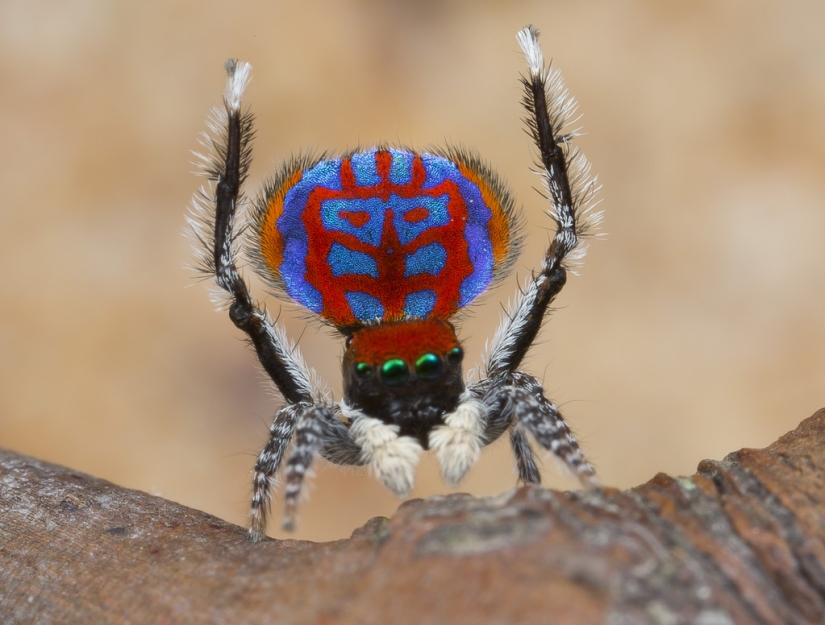
14. Maratus Bubo.
Maratus Bubo is a newly discovered species of Australian jumping spiders. The name "bubo" is based on the Latin genus name for the great horned owl (Bubo Virginianus), referring to the owl-like pattern on the spider's back.
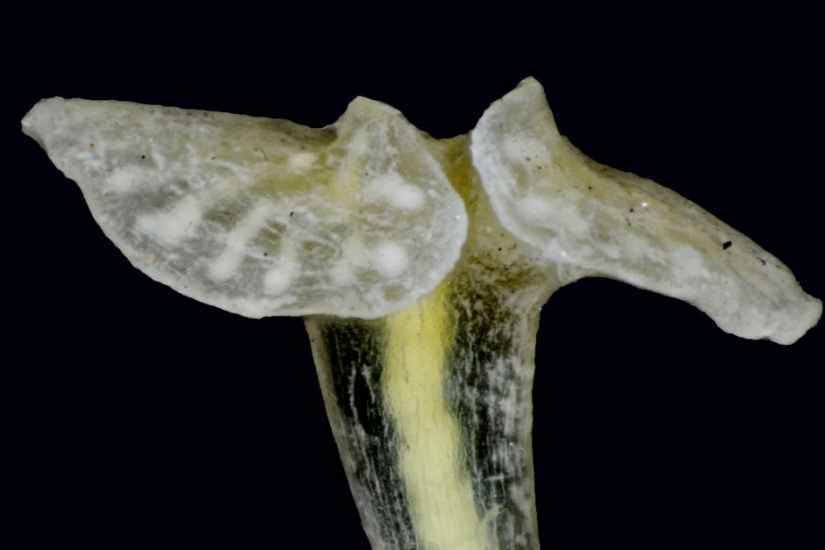
15. Dendrogramma Enigmatica.
Discovered on the seabed in Victoria, Australia, dendrogram enigmatic is a strange multicellular animal that researchers believe may be related to jellyfish, coral, and sea anemones.

16. Gran Canaria Blue Chaffinch.
This beautifully colored bird lives in pine forests on the Canary island of Gran Canaria.
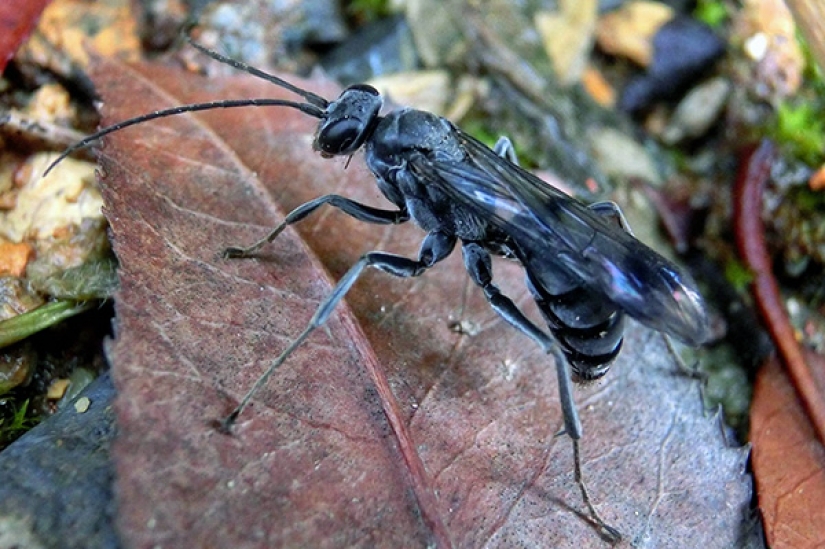
17. Deuteragenia ossarium.
Deuteragenia Ossarium is a species of wasp recently discovered in China.
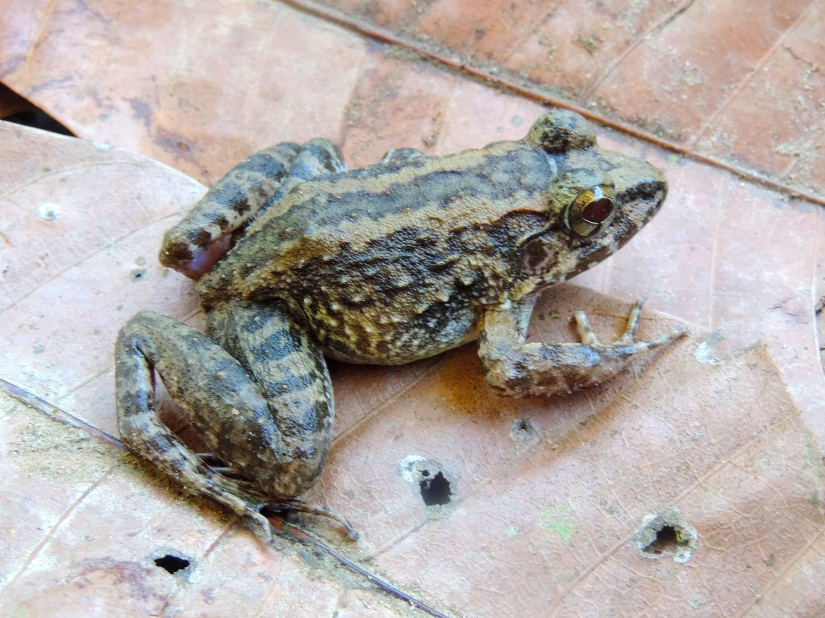
18. Limnonectes Larvaepartus.
Discovered on the Indonesian island of Sulawesi, limnonectes larvaepartus is a large frog with brown or gray coloration. This is the only viviparous frog species.
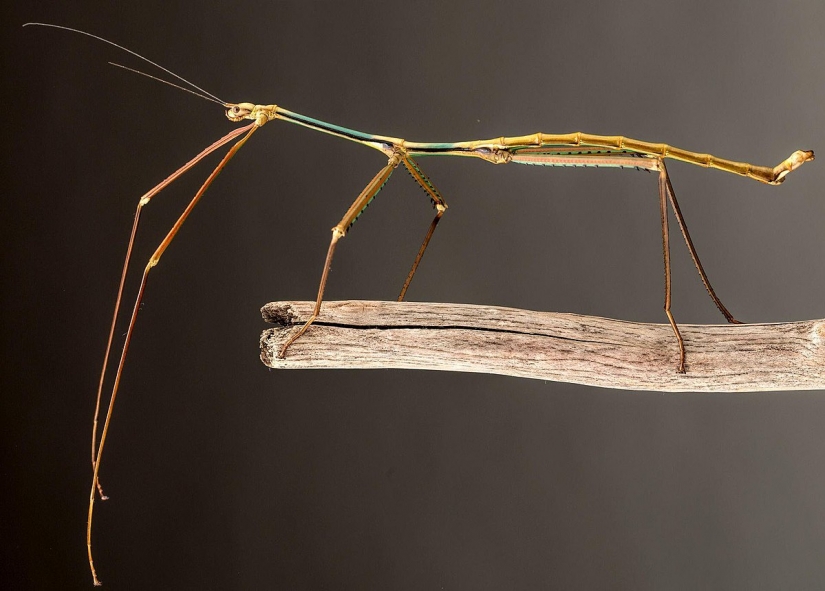
19. Phryganistria tamdaoensis.
Phryganistria tamdaoensis is a recently discovered species of stick insect belonging to the giant stick insect family.
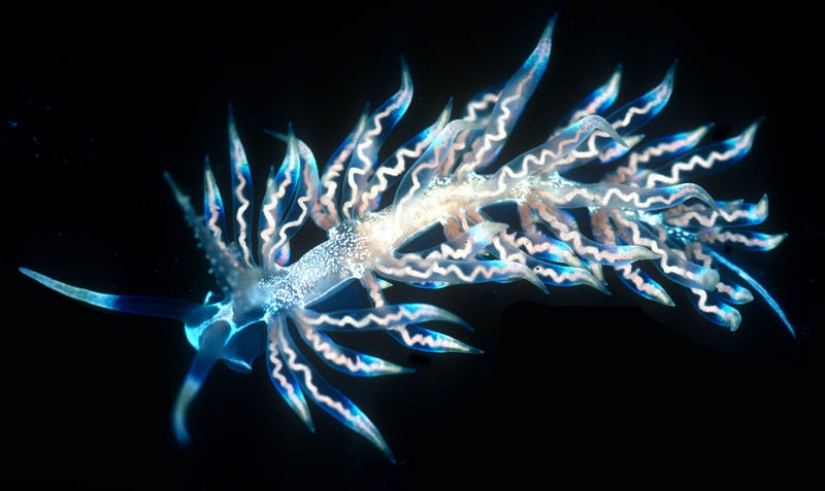
20. Phyllodesmium Acanthorhinum.
Phyllodesmium Acanthorhinum, discovered off the coast of Japan in 2015, is a new species of sea slug. This clam is known for its bright, fluorescent coloration.

21. Swimming Centipede.
Found in Laos, Thailand, and Vietnam, the Swimming Centipede is the first centipede to swim as well as it can run. She has 20 pairs of legs and can grow up to about 20 cm.
Keywords: Animals | Characteristic | Strange | World | Nature
Post News ArticleRecent articles

It's high time to admit that this whole hipster idea has gone too far. The concept has become so popular that even restaurants have ...

There is a perception that people only use 10% of their brain potential. But the heroes of our review, apparently, found a way to ...
Related articles

These artists love cats, but also masterfully draw them, often complementing funny and life signatures. Meet! --> Russian ...

The age of breeding" improvements " of pure breeds has turned once healthy dogs into deformed animals. There is an opinion that ...

If you like pictures and Internet memes with animals, chances are you've heard of the popular Japanese artist and enthusiast ...
New Year's is a time to surprise and delight loved ones not only with gifts but also with a unique presentation of the holiday ...