
Mystical agricultural Inca terraces of Moray
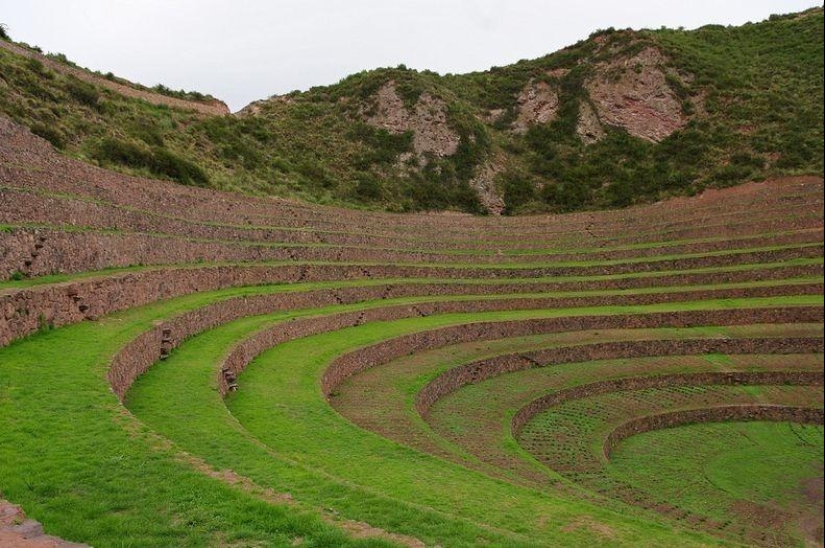
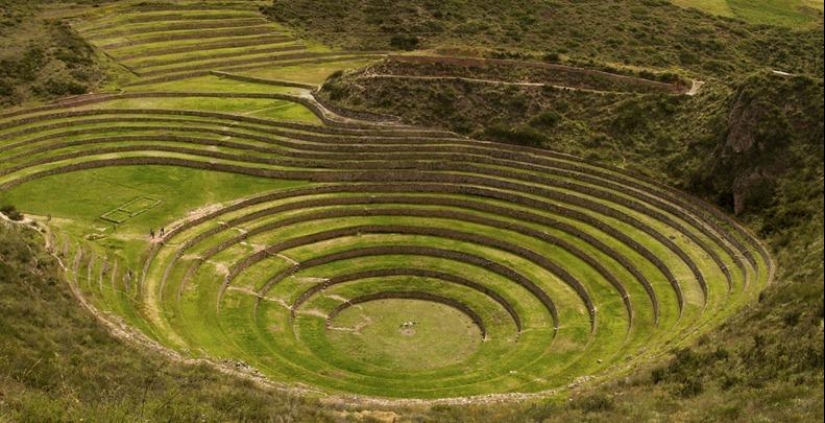
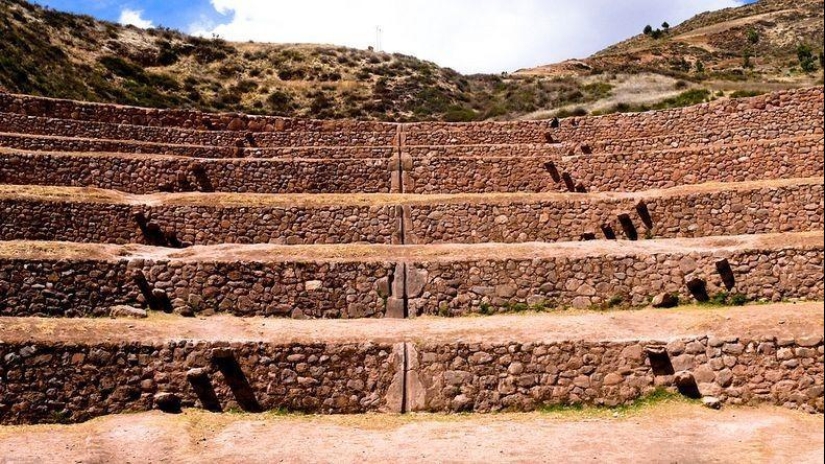
List of spectacular and fascinating ruins of the Inca civilization without a doubt you can make the Moray archaeological site in Peru approximately 50 kilometres North-East of the city of Cuzco and just West of the village of Maras. They represent a large bowl-shaped depression, which constructed a series of concentric terraces, looking like an ancient Greek amphitheater. The purpose of these terraces is not known, but the most common and plausible version claims that they were used as "agricultural research laboratory".
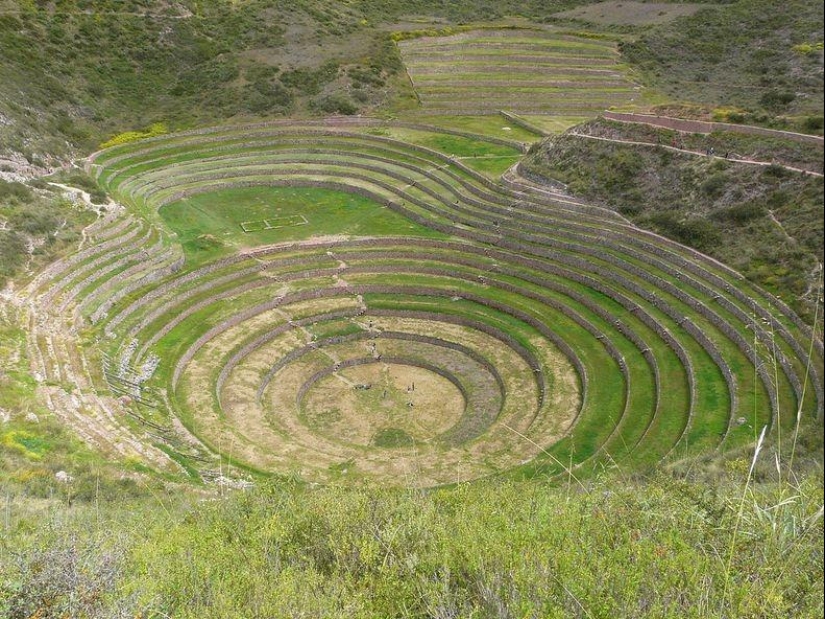
The large terrace is located in the centre – they are giant in size and descend to a depth of about 150 meters, leading to a round bottom. Six additional terraces in the form of an ellipse concentric surround the "heart" of Moray. Above it all rise eight terraces and steps, which capture only a portion of the perimeter.
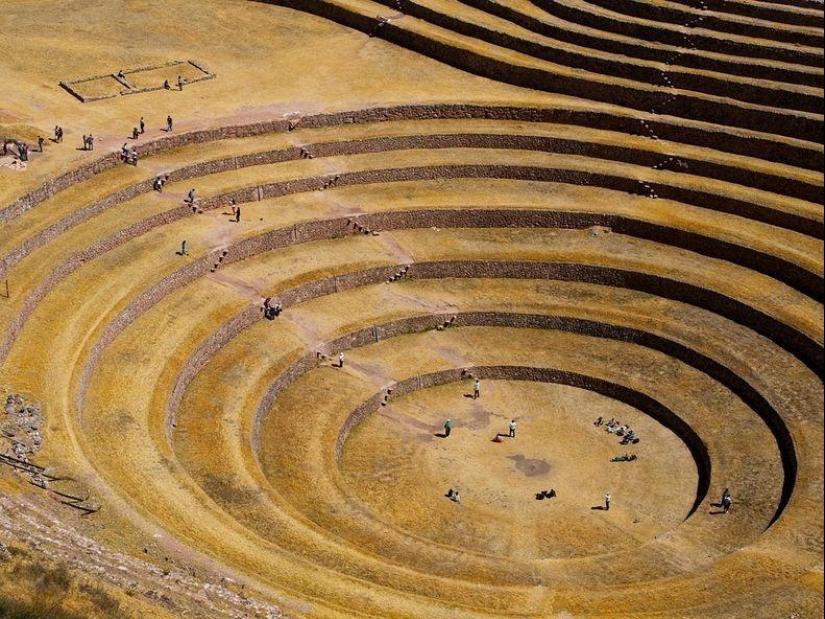
Concentric terraces are many staircases that are a stone ledges that allow people to move between the top and the bottom of the bowl.
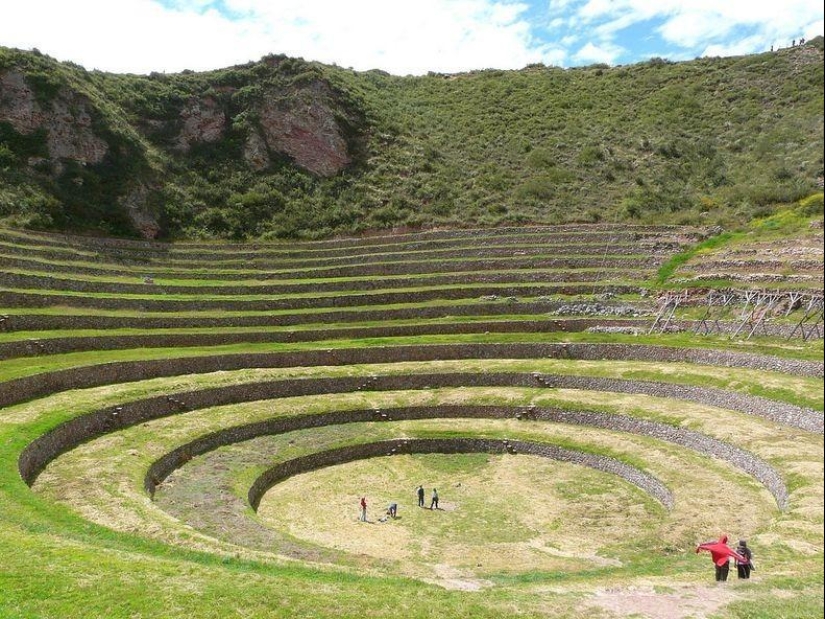
One of the most notable features of this place is the temperature difference between the upper and lower levels, reaching 15°C. Such a large temperature difference creates different microclimates. The effect is similar to the use of modern greenhouses. Perhaps the Incas therefore studied the effects of different climatic conditions on crops.
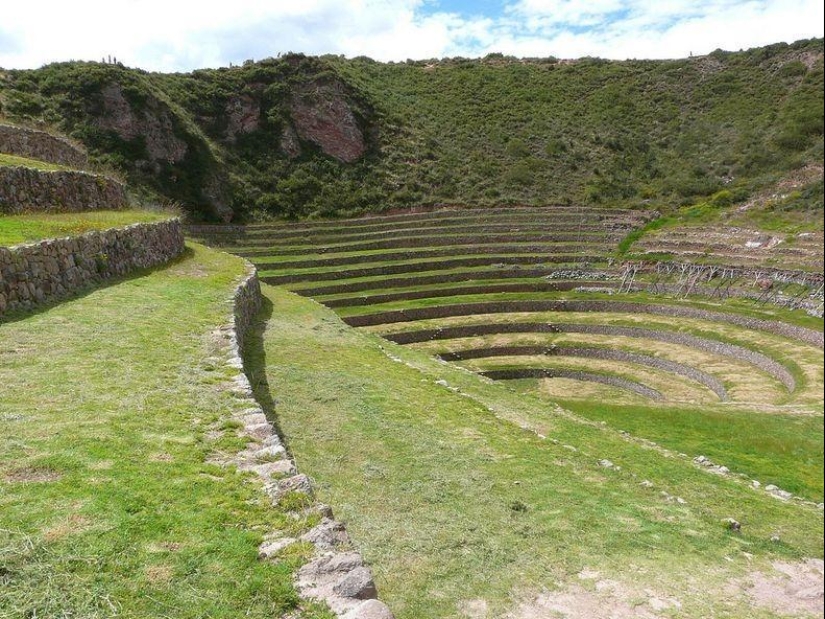
It's not just a coincidence that the temperature difference between the levels of terraces corresponds to the natural difference between the coastal agricultural lands at sea level, and altitude agricultural areas in the Andes at a height of 1,000 meters above sea level.
Moreover, pollen analysis of the soil shows that soils from different regions of the Inca Empire was specially brought in Moray. Each of the large Central terraces contains soil from your region.
Currently, it is believed that the Moray terraces were used by priests, scholars of the Incas to experiment with the harvest vegetables, to determine which crops should be sown farmers in their fields throughout the Andean region.
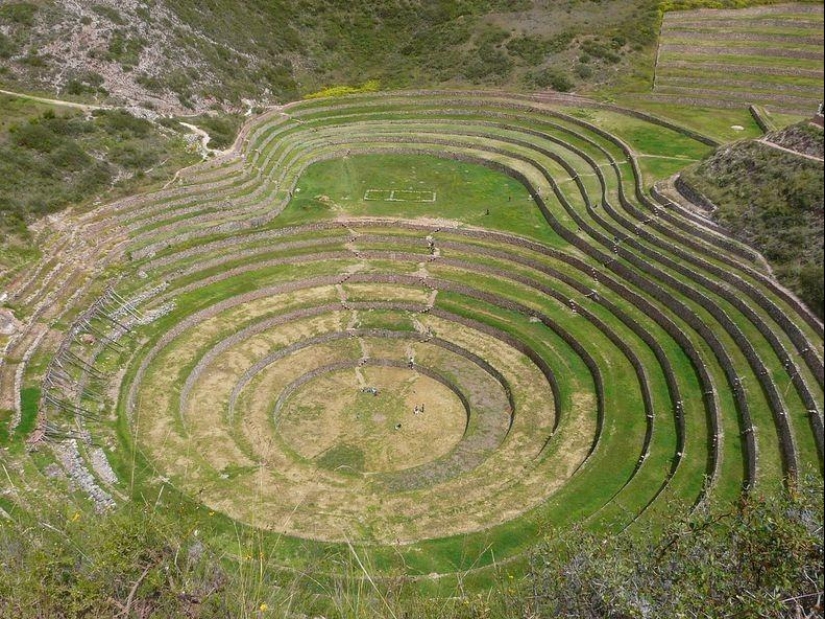
Another mystery is how the system worked drainage flowing through the aqueduct water. The lower level, that is, the bottom of the bowl, has good drainage so that it never flooded even during the heavy rains.
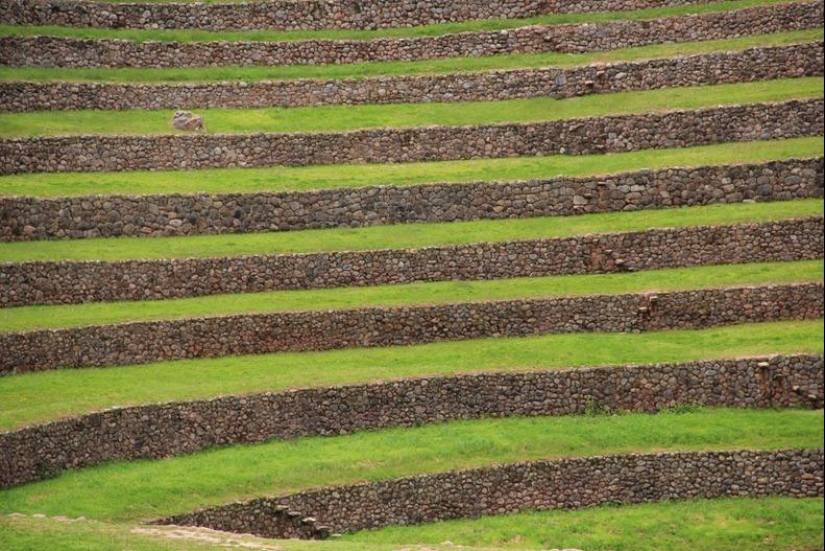
It is assumed that under the terraces are laid underwater channels that provide the flow of water. Also, there is debate about what is under the bottom is a naturally porous stone, whose structure allows water to go deep into the earth.
We will likely never know the true purpose of the terraces of Moray, but the version of the laboratory for agricultural research looks very convincing. Further confirmation of this may be the fact that about 60% of all food crops in the world originates from the Andean region, including hundreds of varieties of corn (maize) and thousands of varieties of potatoes.
Keywords: Peru | Nature | History | Archeology | Terrace
Post News ArticleRecent articles

It's high time to admit that this whole hipster idea has gone too far. The concept has become so popular that even restaurants have ...

There is a perception that people only use 10% of their brain potential. But the heroes of our review, apparently, found a way to ...
Related articles

In the fall of 1972, Bill Yates traveled through the countryside in the vicinity of Tampa, Florida. At that time, he was studying ...

When a person is in a life-threatening situation is awful, but even worse when it happens to a child. 11-year-old American Terry ...

Remember how broke the "unbreakable" scoop? The photo preserved in the photo album of almost every family! A selection of vintage ...
New Year's is a time to surprise and delight loved ones not only with gifts but also with a unique presentation of the holiday ...