
Migration of monarch butterflies
Categories: Animals | North America
By Pictolic https://mail.pictolic.com/article/migration-of-monarch-butterflies.htmlMonarch butterflies are widely known for their migrations. Although no single butterfly has ever made a complete journey of 3,200 kilometers, several generations per year in total cover such a distance.
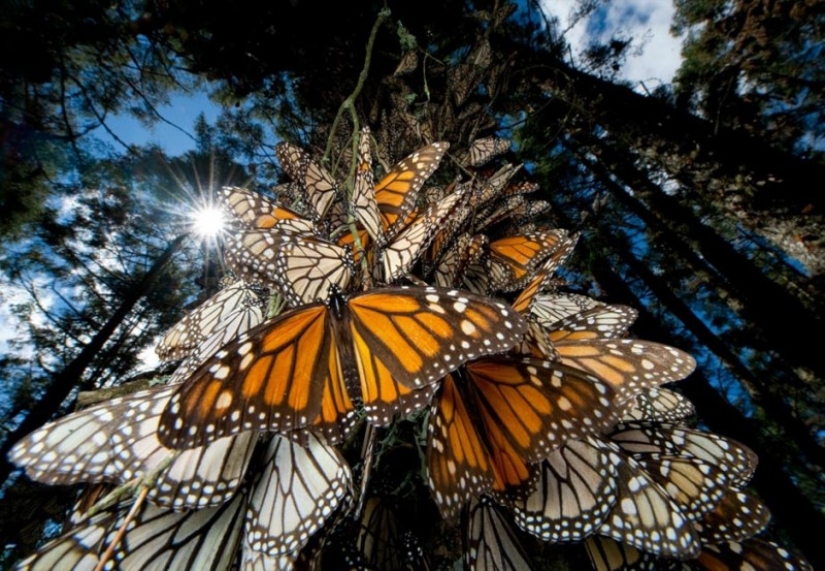
In North America, these butterflies embark on their grand annual journey in August. First, the monarchs "refuel" with nectar, after which it is time to go on a journey away from Canada and the northern states of the United States, because the coming winter will inevitably lead to their death from the cold.
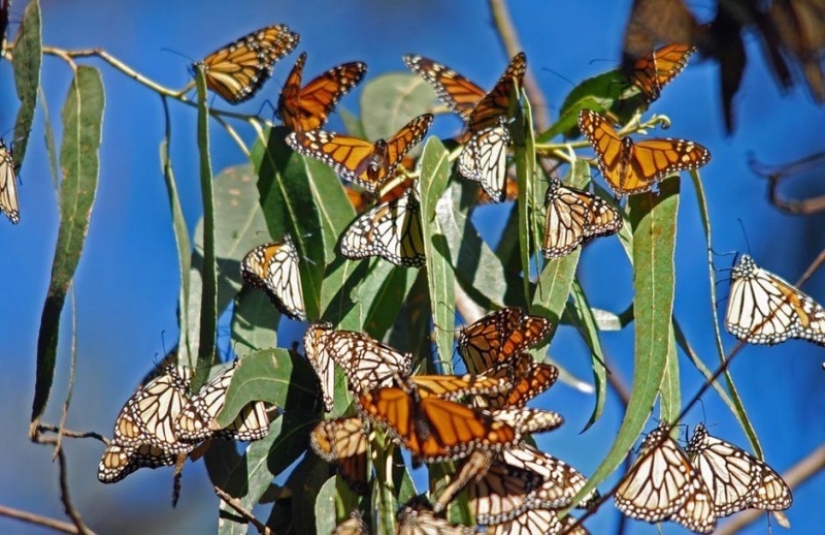
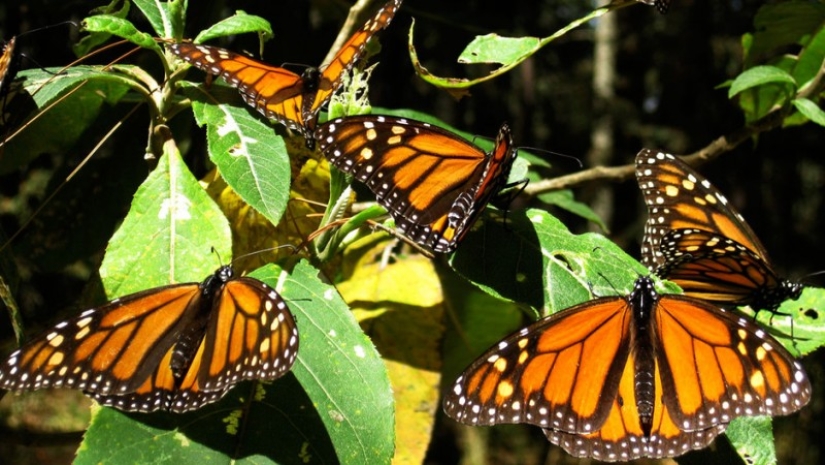
Unlike their progenitors, these butterflies have not yet flown more than a few hundred meters in their lives, however, they do not hesitate to rush into flight over the wide northern lakes. This is only the first stage of one of the largest migrations in the world.
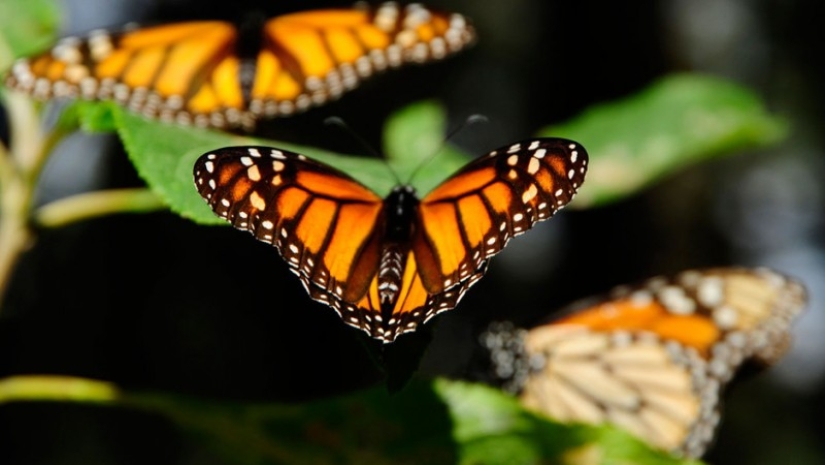
Soon, individuals flying in from all over North America join up with each other.
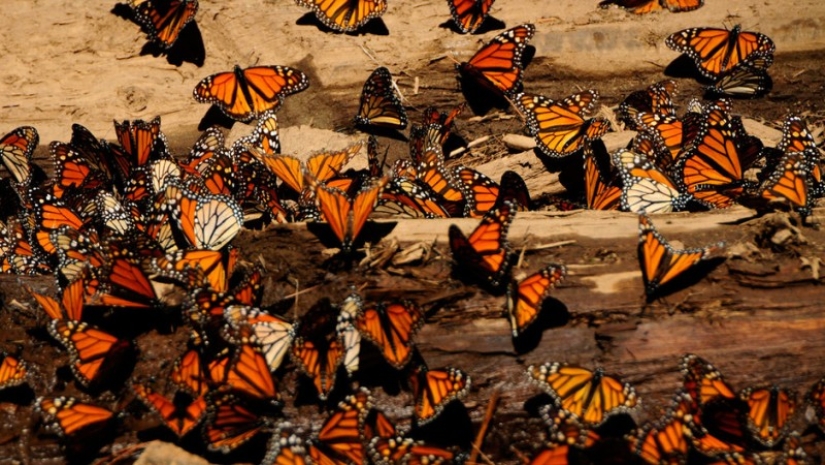
Butterflies from the territories east of the Rocky Mountains go to Mexico, and the inhabitants of the west – to California, especially in the coniferous forests near Santa Cruz and Pacific Grove. It is here that an incredible sight is observed.
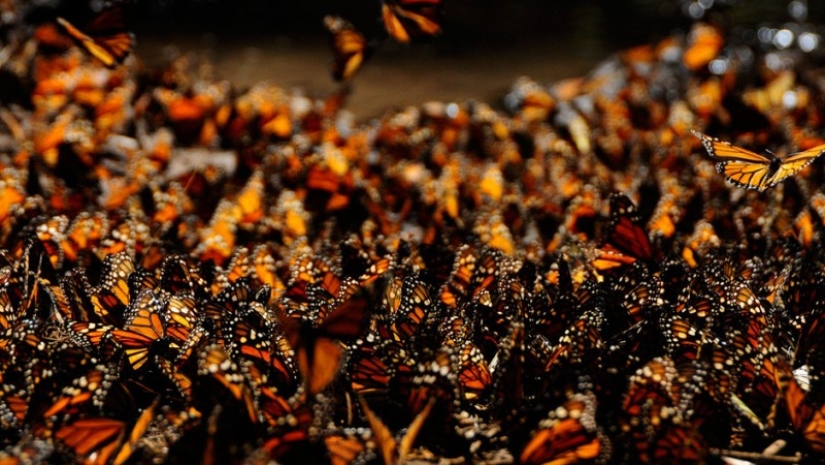
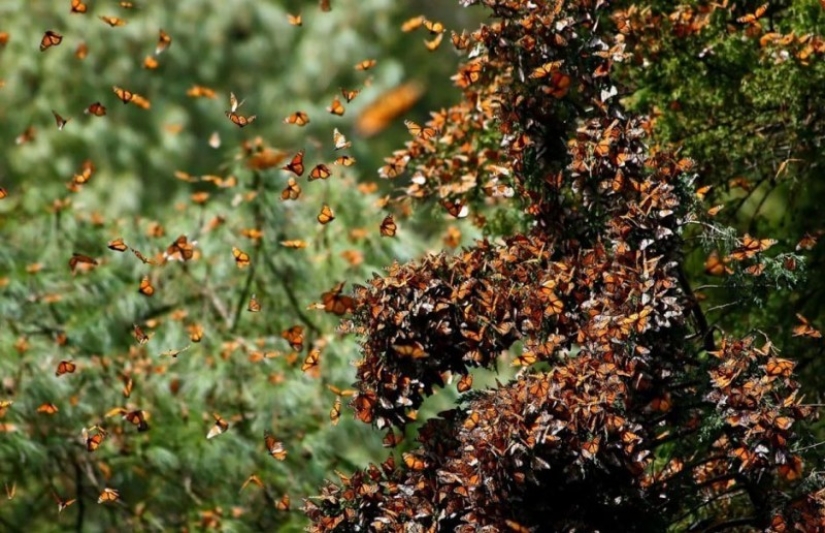
When the butterflies arrive at their destination, the lucky few among the humans can see countless monarchs hanging from every branch.
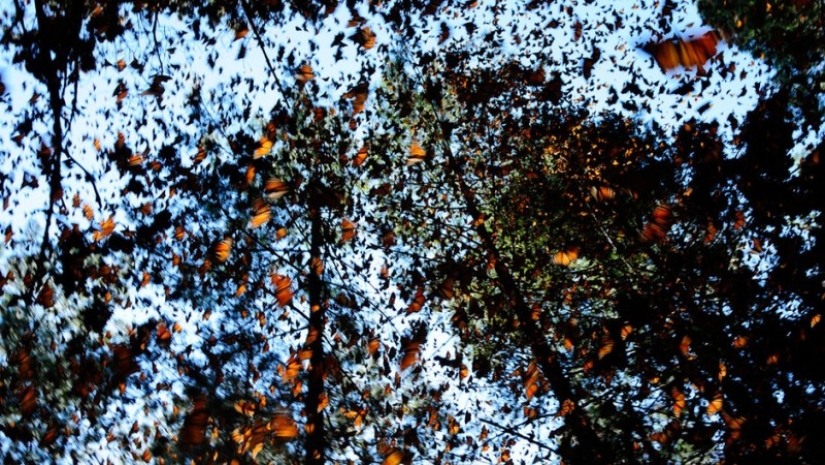
Monarchs come here because, although there are frosts here, they are not as deadly to butterflies as in the north. The local conditions are ideal for wintering
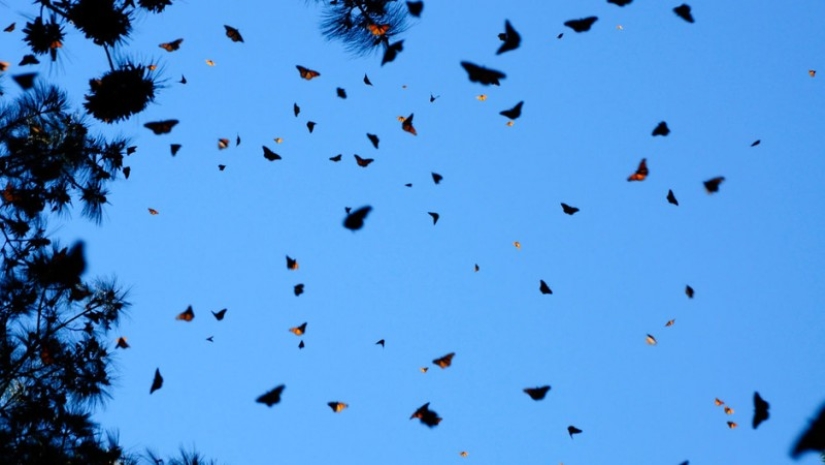
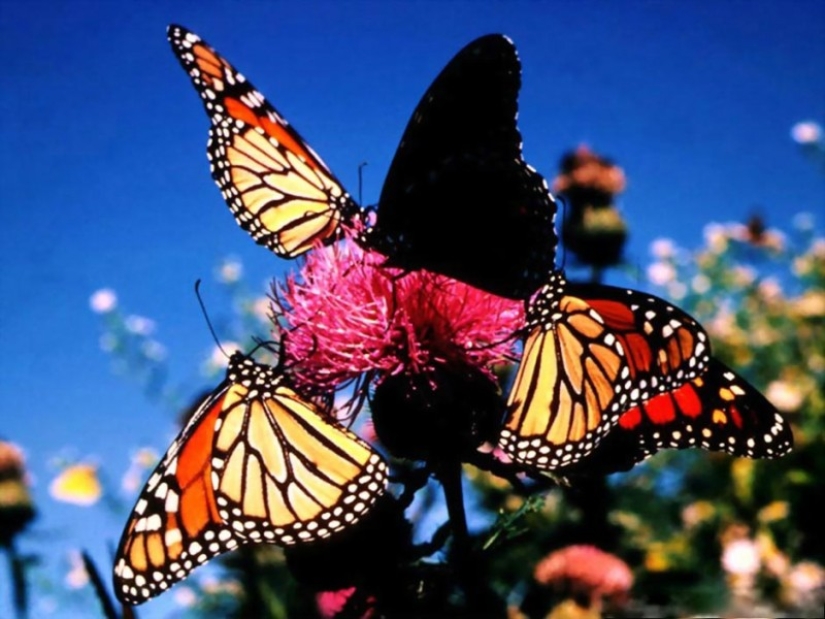
Although it is certainly safer to be in the mass, dormant butterflies are easy prey for predators, even despite the fact that monarchs are venomous. Some birds have learned to tear off the poisonous parts of butterflies and eat the rest. Every year, birds eat hundreds of thousands of butterflies and displace even more from their habitats, but it is unlikely that this can have such an impact on the butterfly population as, say, deforestation.
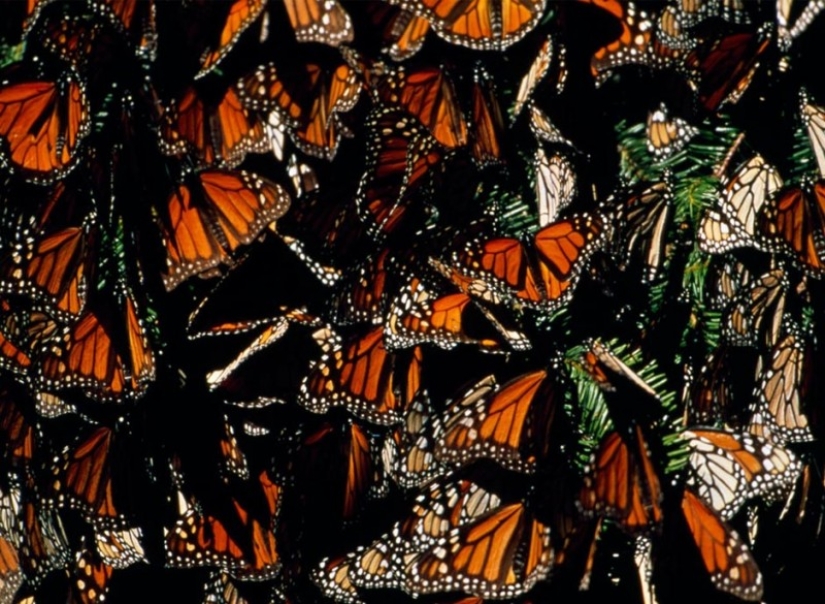
Those of the butterflies that have fallen from the branches should get back up as soon as possible – it is a matter of life and death. Their wings vibrate to warm their flying muscles and lift them up before they freeze on the ground. Those who managed to survive, huddle in the trees for four months. The spring warmth will wake them from their slumber.
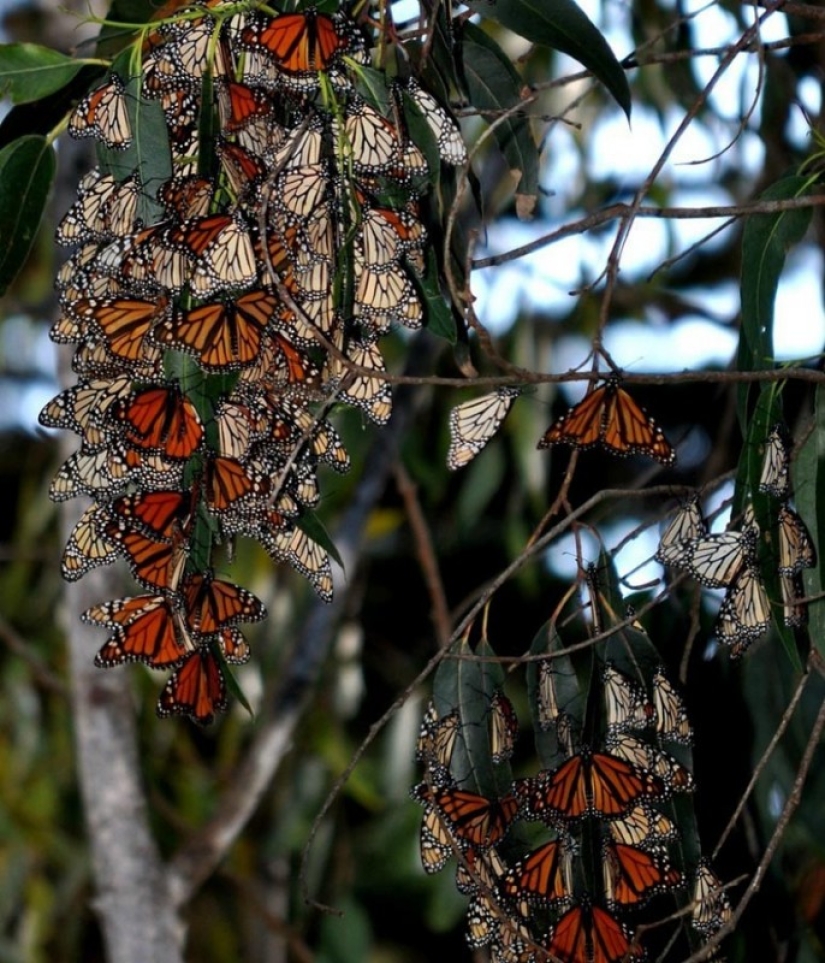

The life span of a monarch butterfly is tiny by our standards. Those born in early summer live only two months. For the generation that appeared at the end of summer and is going to winter, nature has provided a special form of existence, which is called diapause. Diapause is a non-productive phase of life, a physiological state of torpor, during which the aging process slows down. It is the state of diapause that allows monarch butterflies to survive the winter.
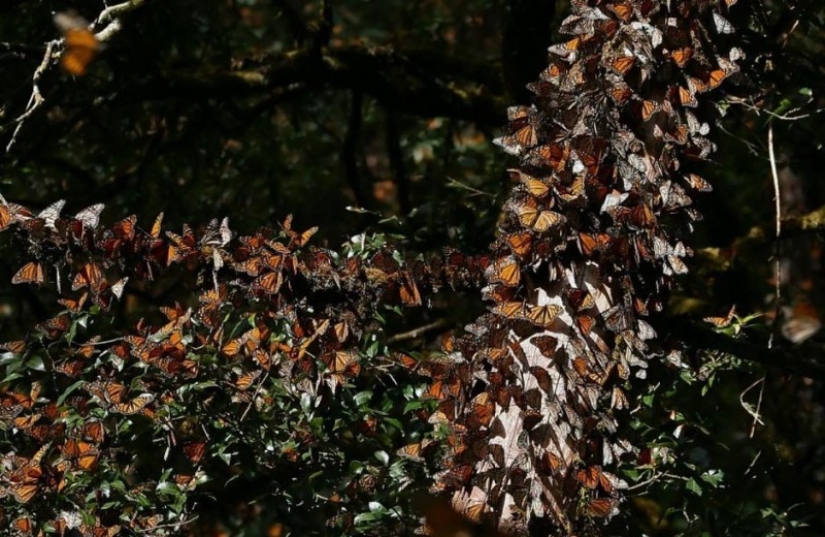
Most butterflies survive and after four months drink their first nectar. As it gets warmer, more and more butterflies wake up and take to the air. Soon they would all be heading north, and their great-grandchildren would be back here again, sheltering from the northern winter.
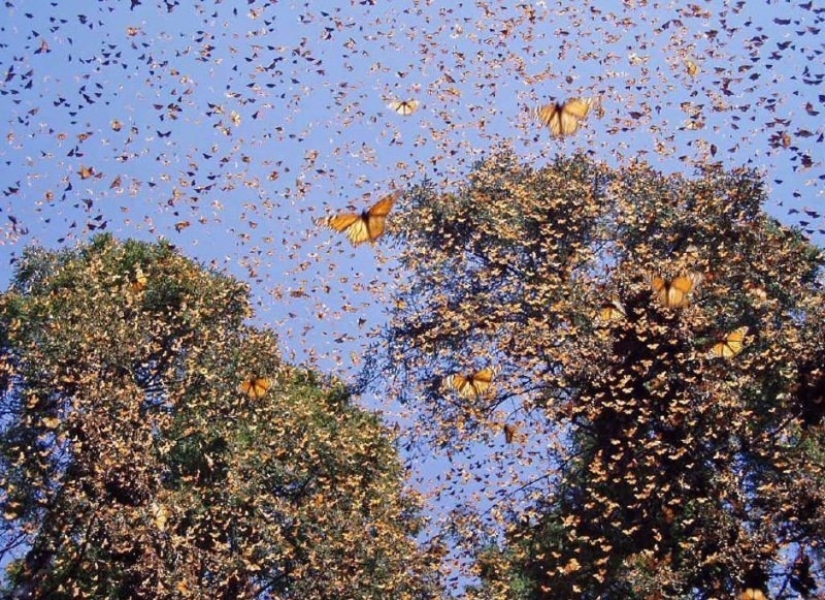

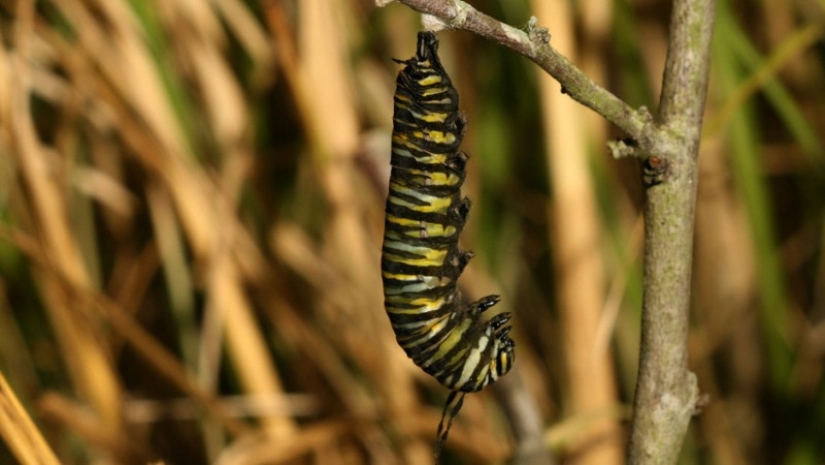
Those monarch butterflies that survived the winter do not have long to live. However, before they fly too far away, they will encounter plants suitable for breeding offspring. There the butterflies will mate. The caterpillar and pupal stages last about two weeks, and now a new generation of monarchs is ready to continue the journey to the north.
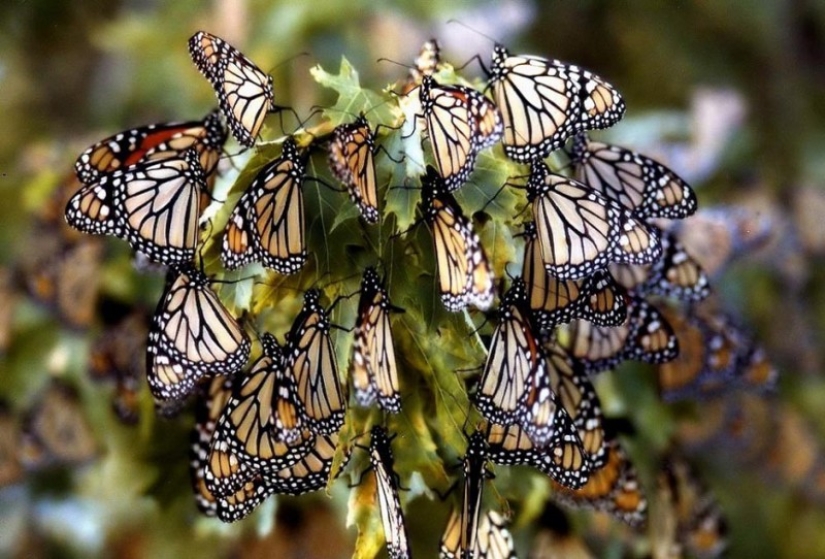
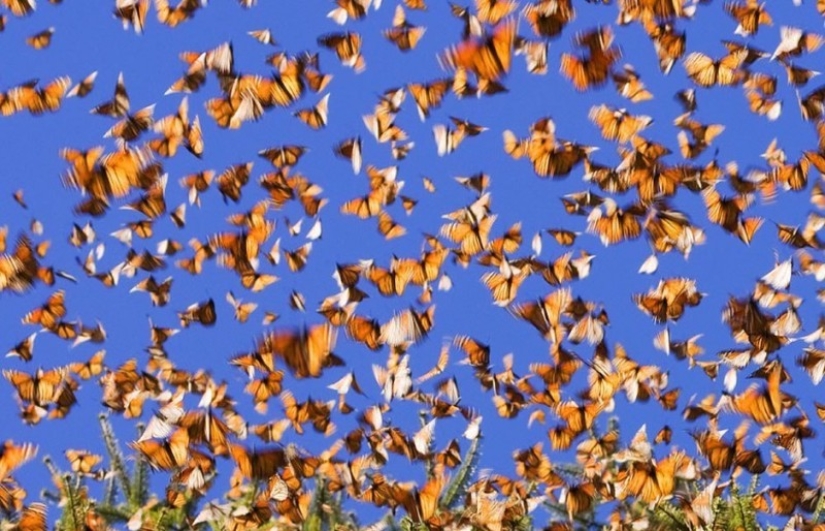
The new butterflies will then lay their own eggs. But it will not be the same generation that will return to the coniferous forests of California and Mexico. Only the fourth generation of butterflies in this cycle will return there. This is the way monarch butterflies have been around for millennia, and let it go on like this!
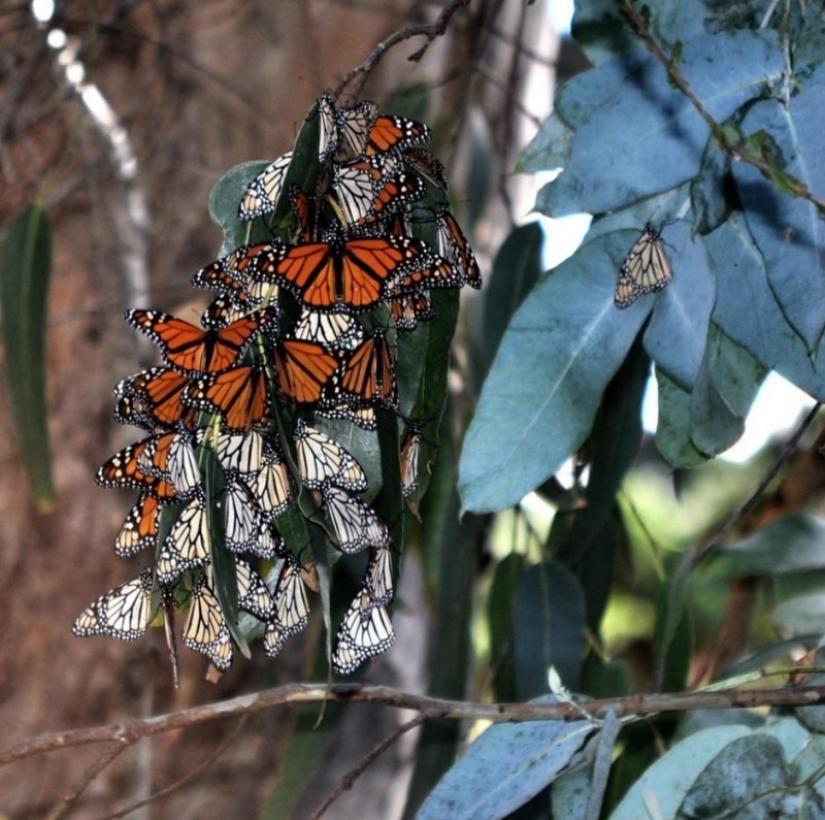
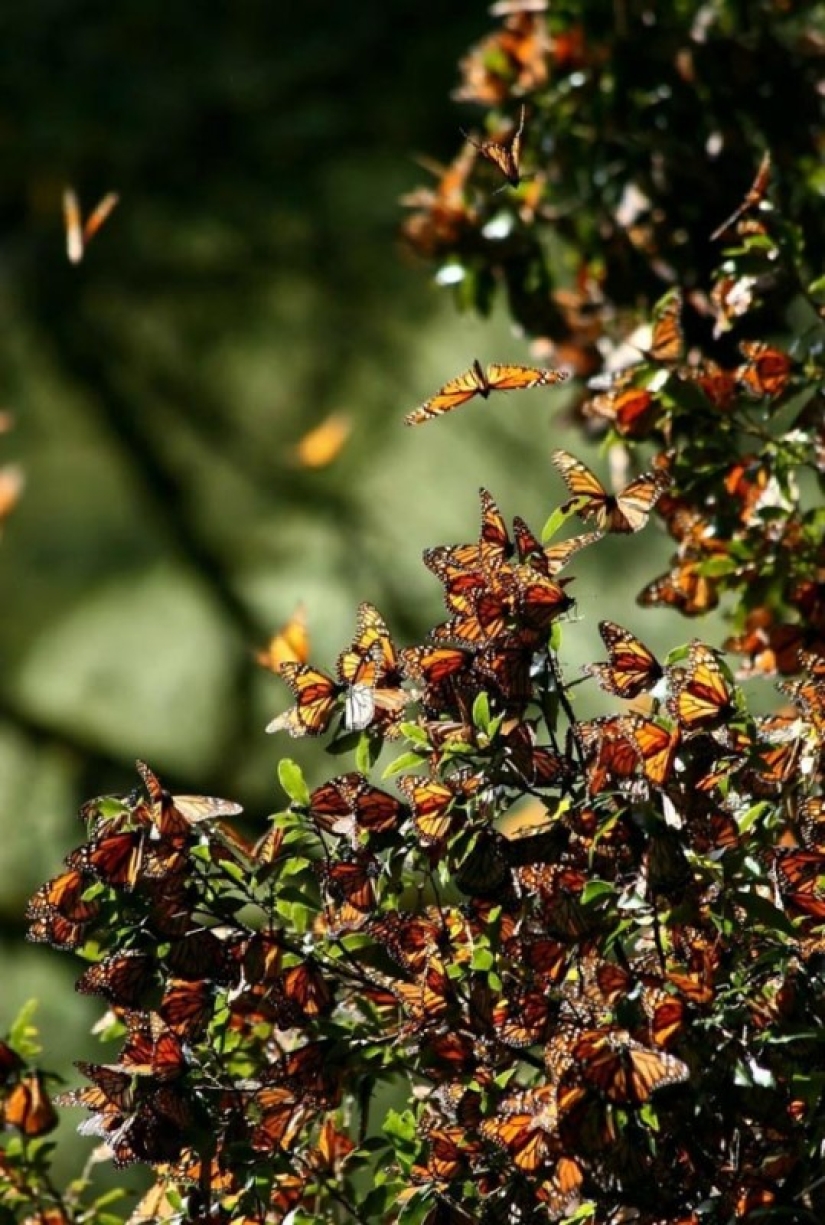
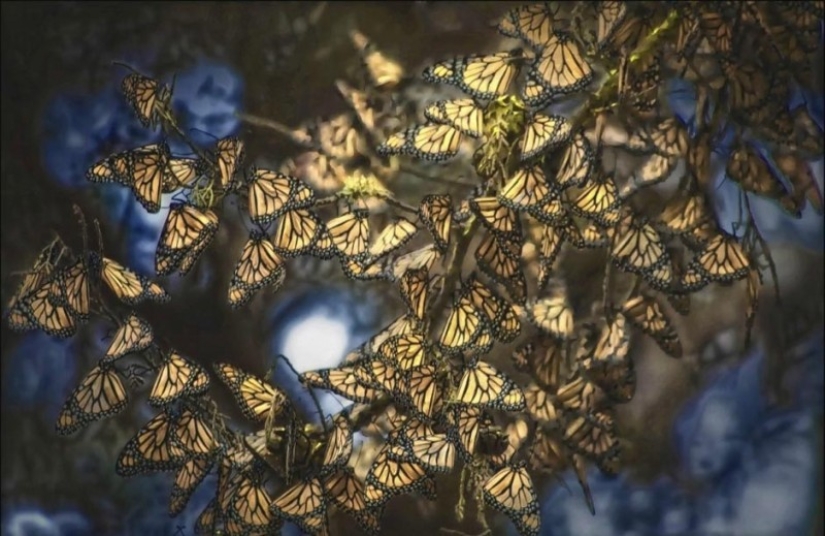
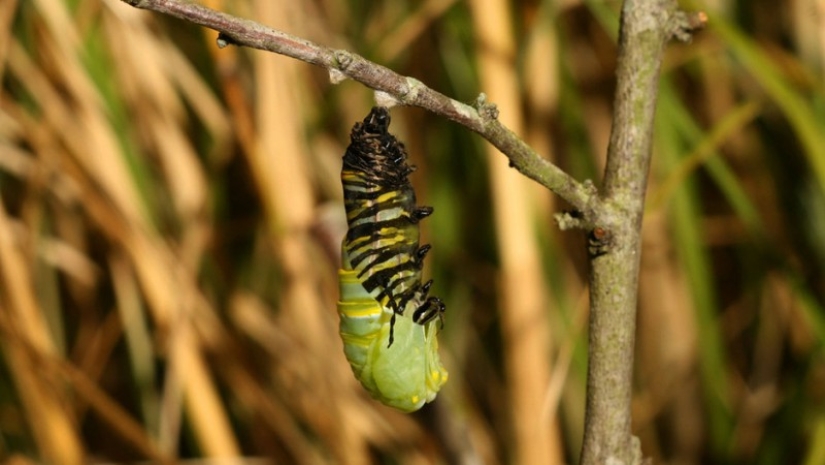
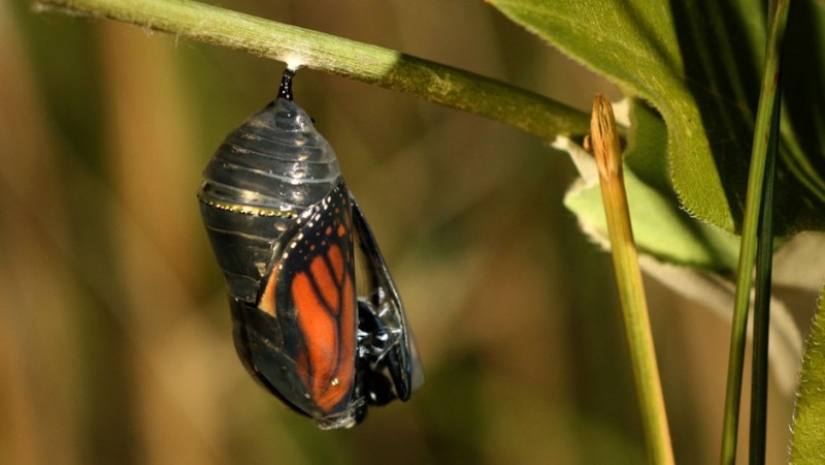
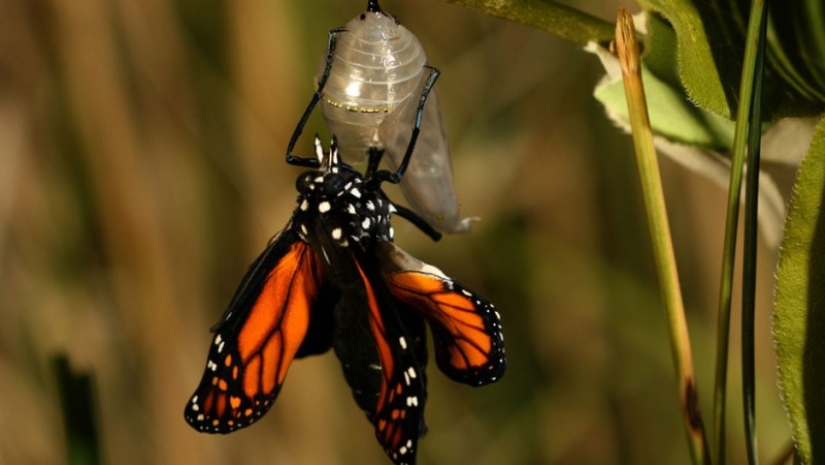
And this is the process of the birth of a butterfly. Step by step, long and painful.
Keywords: Animals | North america | Insects | Migration | Butterflies
Post News ArticleRecent articles

It's high time to admit that this whole hipster idea has gone too far. The concept has become so popular that even restaurants have ...

There is a perception that people only use 10% of their brain potential. But the heroes of our review, apparently, found a way to ...
Related articles

This project full of sexual desire and diverse energy dynamics. Look at women through the eyes of a woman, talented photographer ...

In the fall of 1972, Bill Yates traveled through the countryside in the vicinity of Tampa, Florida. At that time, he was studying ...

These artists love cats, but also masterfully draw them, often complementing funny and life signatures. Meet! --> Russian ...
New Year's is a time to surprise and delight loved ones not only with gifts but also with a unique presentation of the holiday ...