
Luxury tattoos of the Victorian era: cherubs, dragons and coats of arms
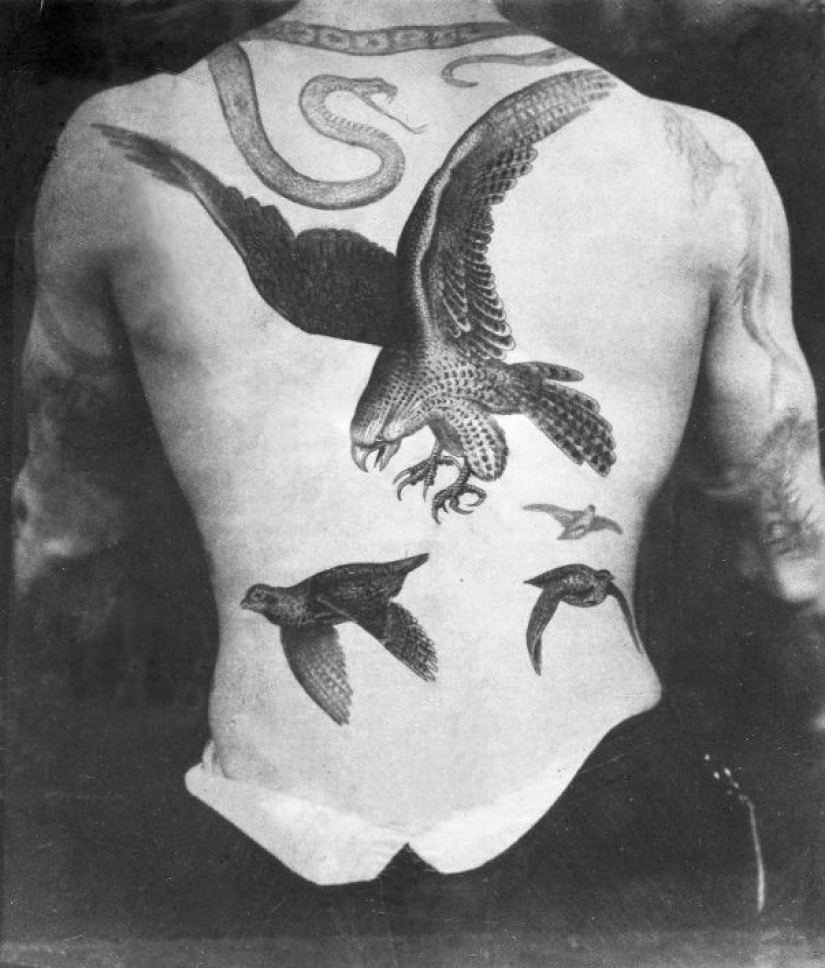
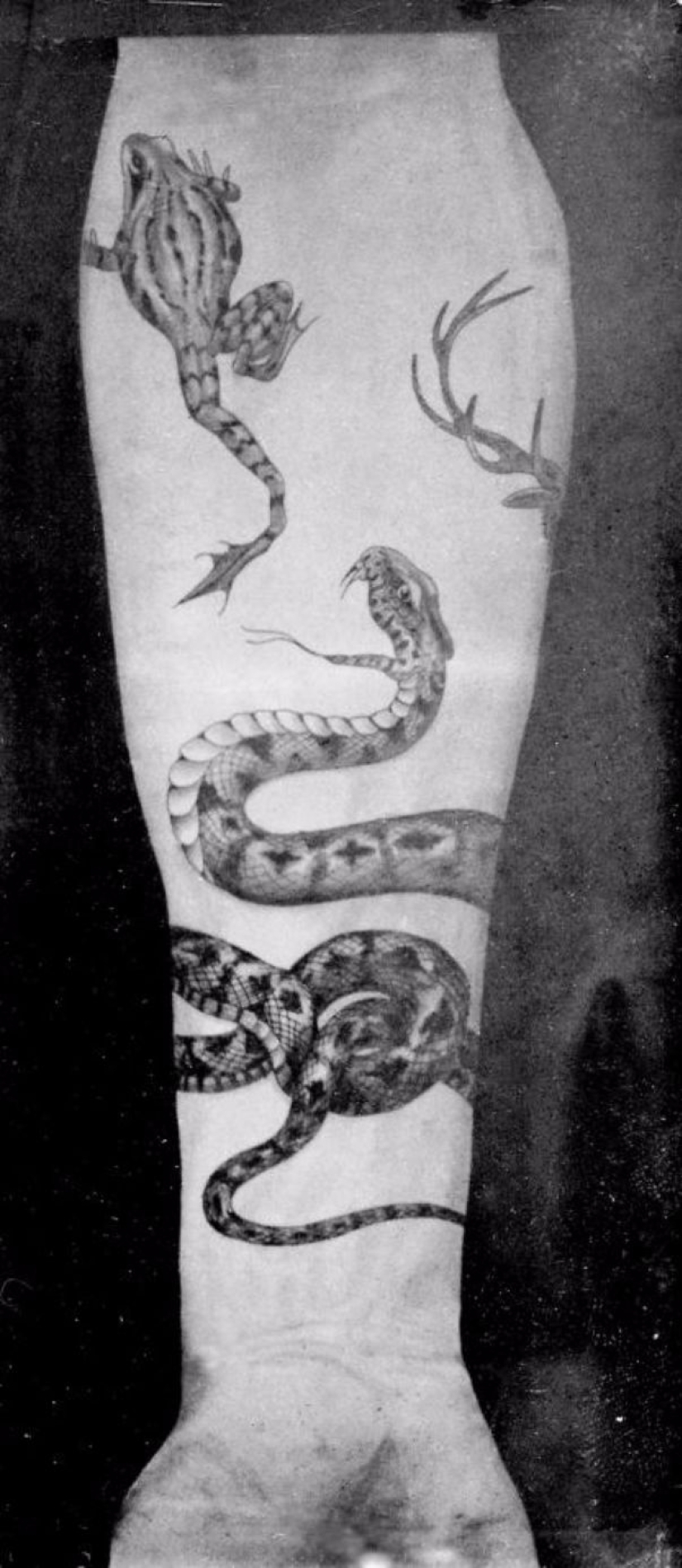
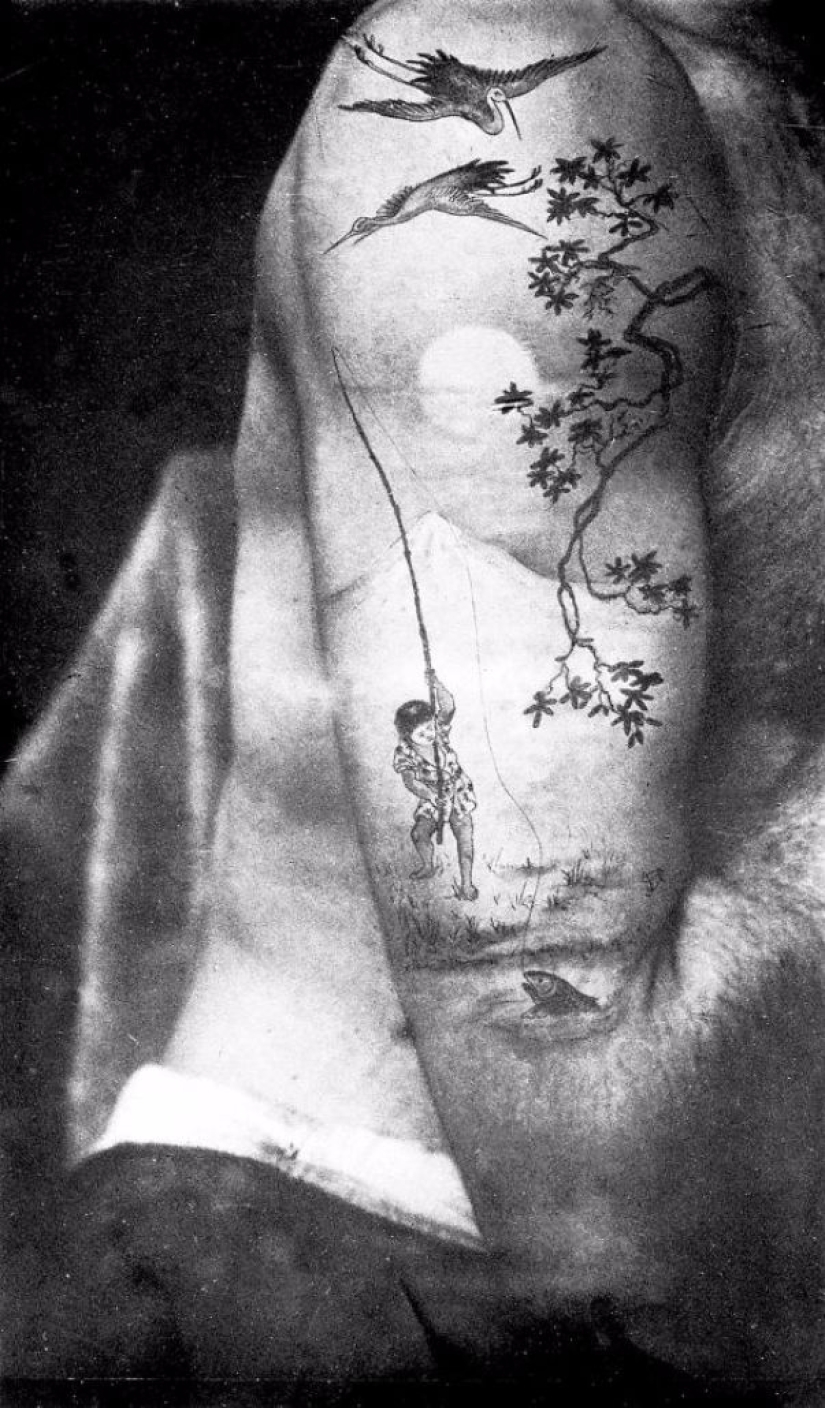
We are used to seeing unbearably serious people in decent closed clothes in old photographs. But there are also such pictures where our ancestors show naked bodies — and not just naked, but in huge tattoos on the entire chest and arms. We have collected several works by one of the first tattoo artists in the UK named Sutherland MacDonald.
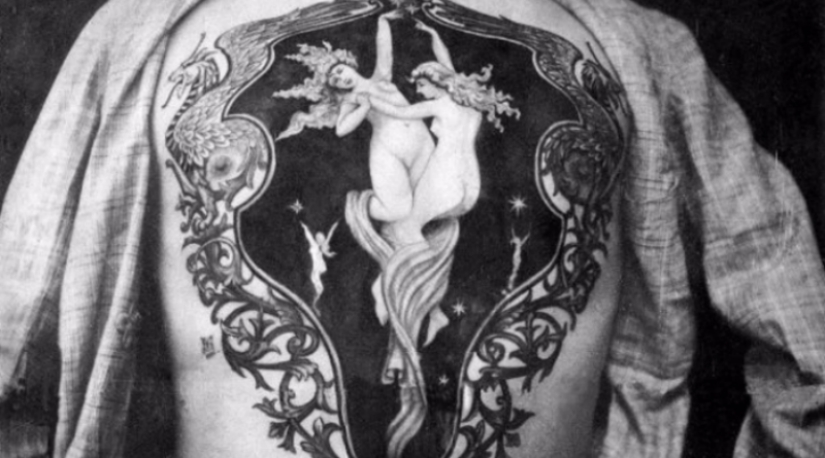
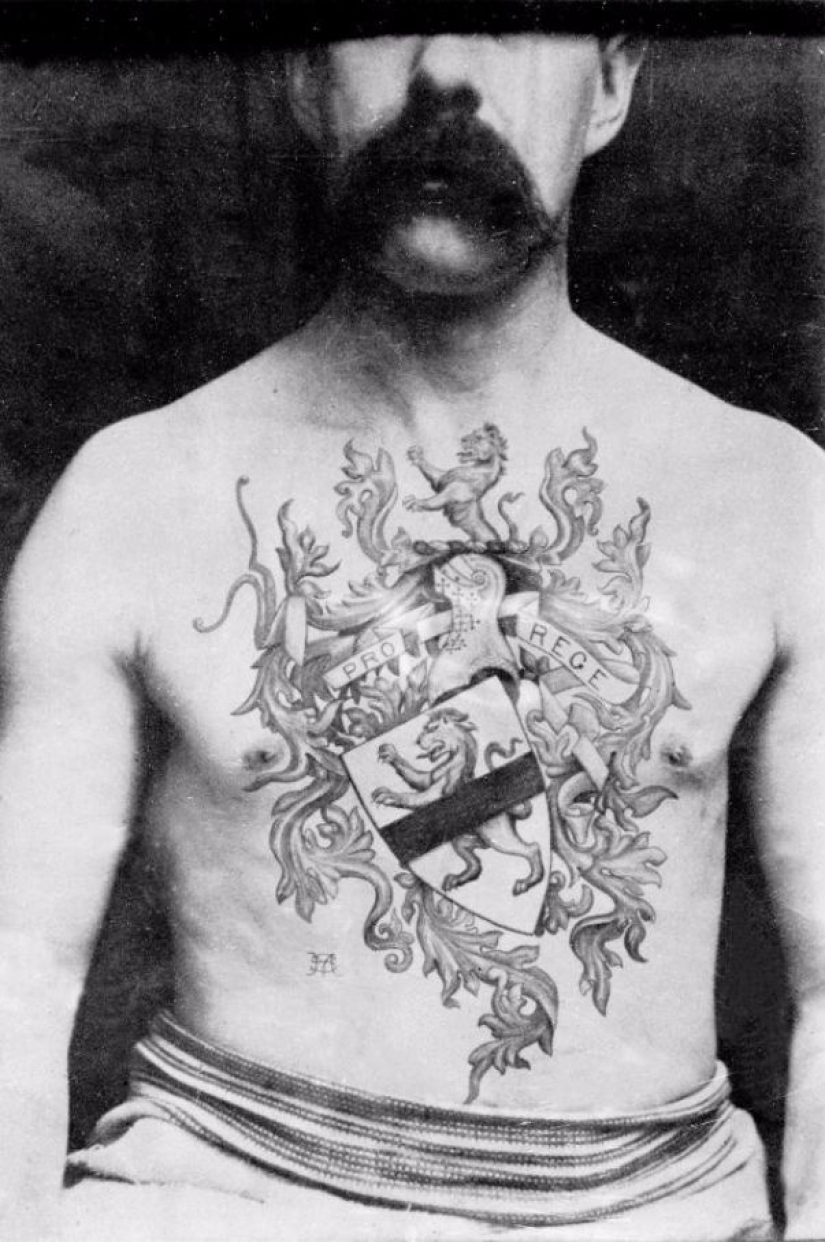
Sutherland MacDonald took up tattooing in the British Army in the 1880s. He already had serious experience in painting, so he easily switched to drawings on the skin with a needle. After the army, he began to practice tattooing professionally. At first he worked with hand tools, and in 1894 he received a patent for his electric tattoo machine. Nevertheless, when particularly painstaking work or shading was required, the artist used Japanese tools.
MacDonald opened his first salon in Aldershot, and later moved to London and occupied a room on Jermyn Street, above the Turkish bath, and then worked only there.
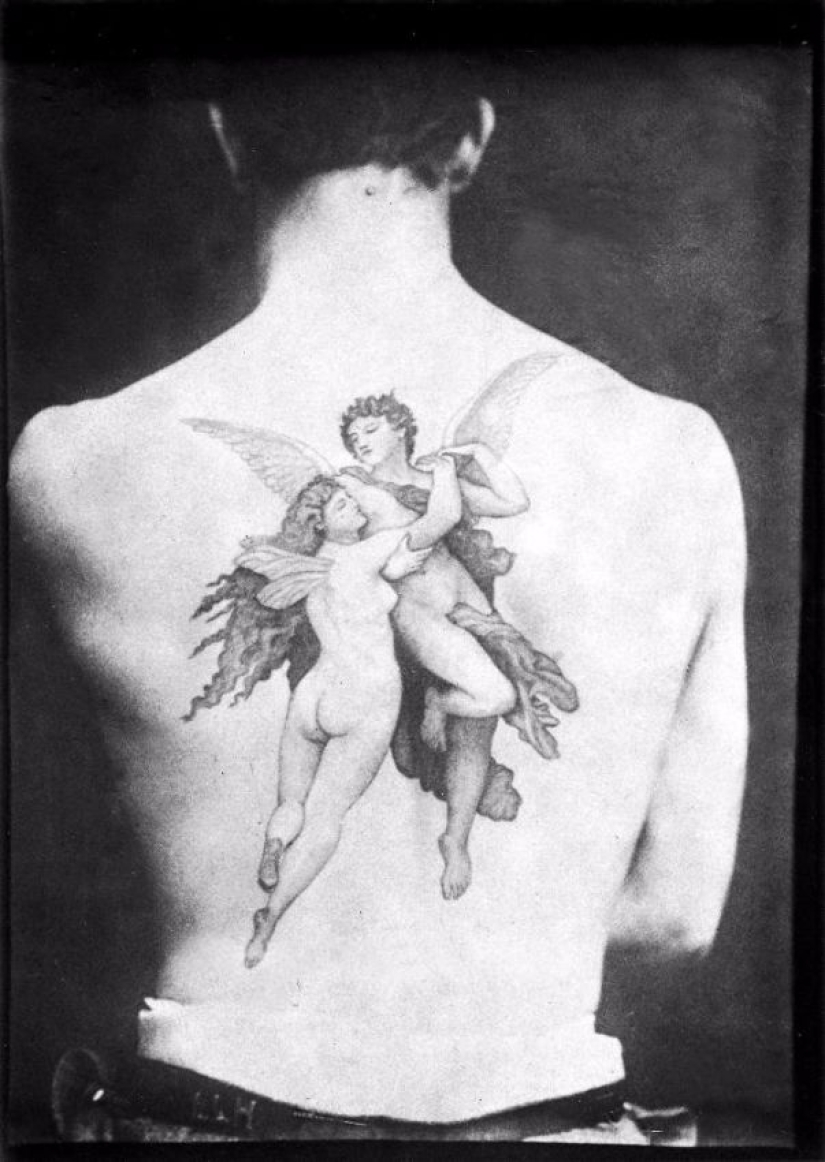
According to the memoirs of contemporaries, MacDonald tattooed officers of many famous regiments, including the Guards brigade. One of his first clients was the British military commander Julian Bing (1st Viscount Vimy). While still an officer, Bing introduced the artist to his entourage.
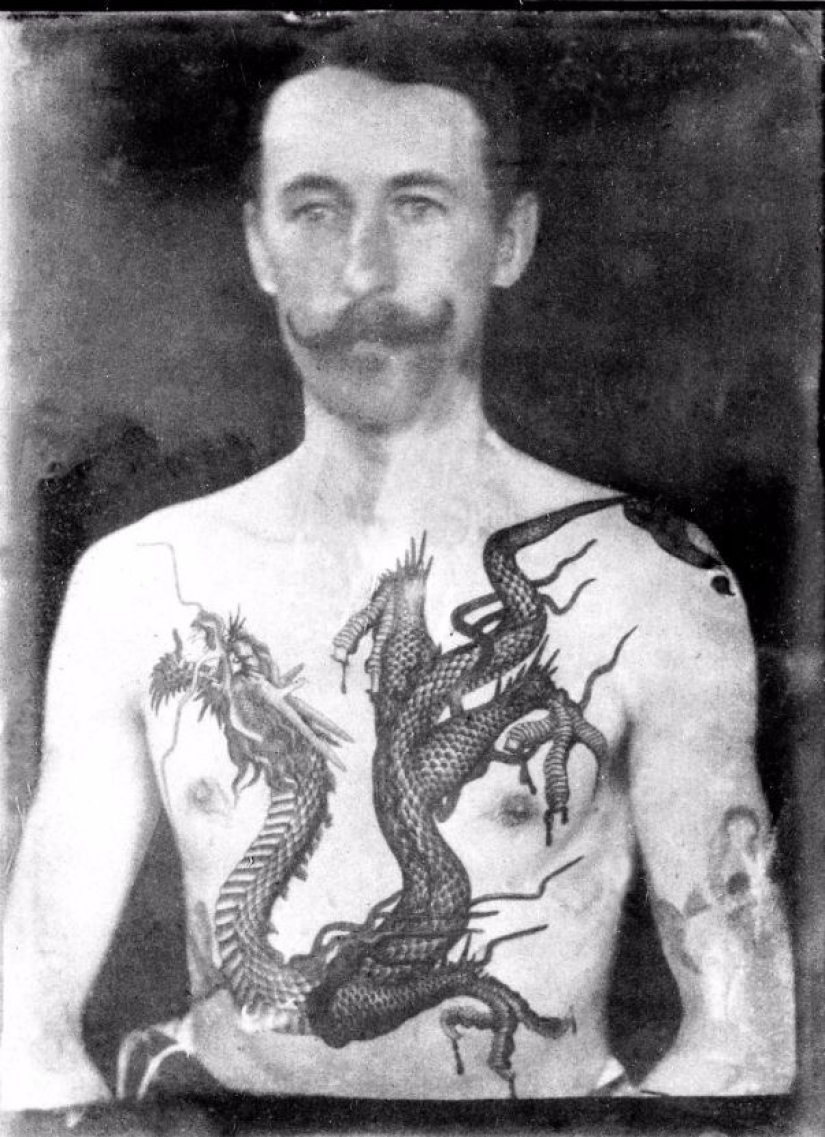
Sutherland MacDonald died in 1937. The artist has made a huge contribution to the culture of tattooing. It is believed that it was he who added blue and green colors to the tattoo artist's palette.
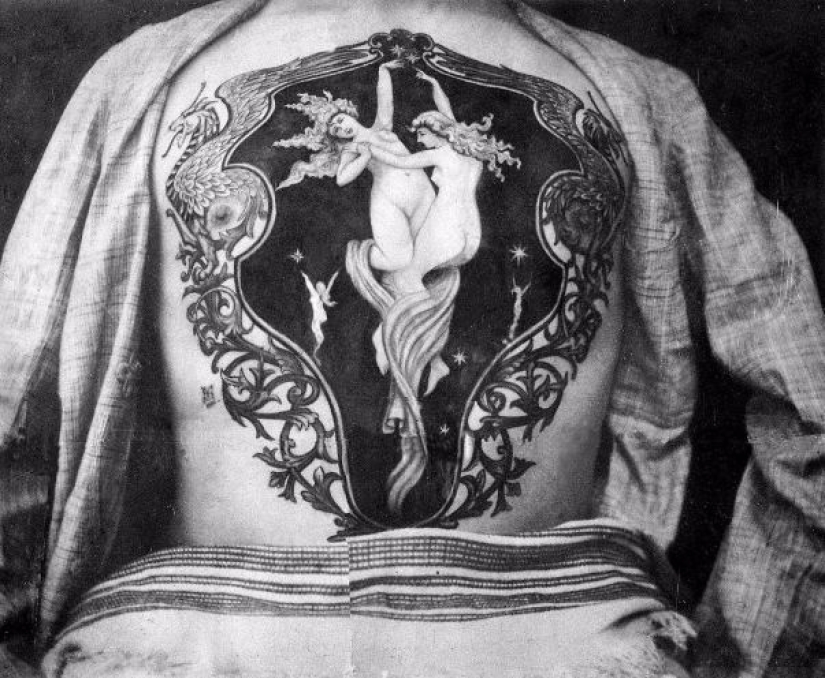
Cupid and Psyche.
Keywords: Great Britain | Victorian era | Military | Tattoos | Artists
Post News ArticleRecent articles

It's high time to admit that this whole hipster idea has gone too far. The concept has become so popular that even restaurants have ...

There is a perception that people only use 10% of their brain potential. But the heroes of our review, apparently, found a way to ...
Related articles

In the Victorian era Britain was quickly urbanized. By 1851 it became the first country lived in cities of more people than in the ...

What did the petty criminals of the XIX century look like? We offer you a look at the faces of English prisoners held in a penal ...

In the color portraits of the 1870s, colored by the colorization expert Tom Marshall, children look at the lens too severely and ...
New Year's is a time to surprise and delight loved ones not only with gifts but also with a unique presentation of the holiday ...