
Diatoms: Micrographs by Paul Hargreaves and Fay Darling
Categories: Microworld
By Pictolic https://mail.pictolic.com/article/diatoms-micrographs-by-paul-hargreaves-and-fay-darling.htmlThe objects in these amazing pictures may look alien, but they are actually all enlarged cells of living organisms called diatoms. Oceanographer Paul Hargreaves used an electron microscope to photograph these creatures, and artist Faye Darling retouched the images using special computer programs.
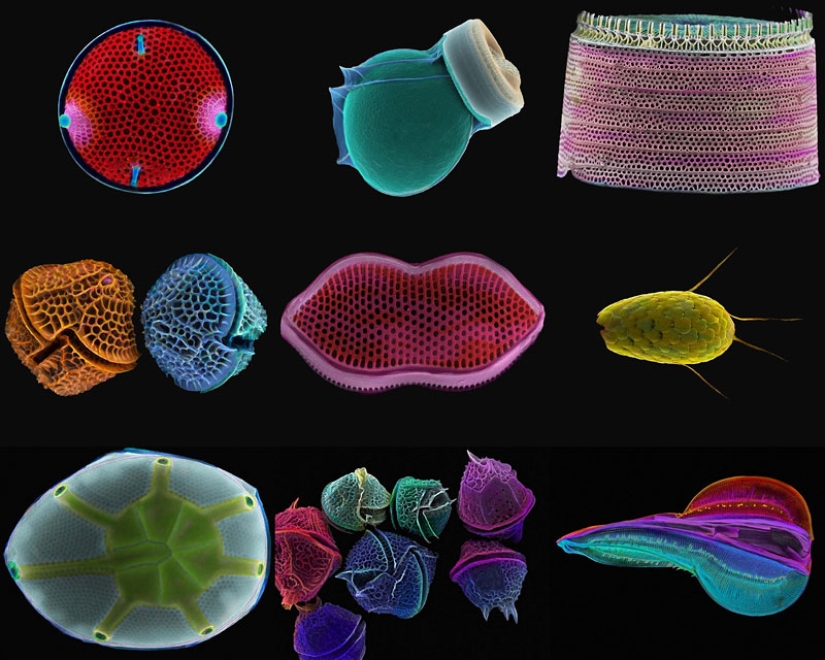
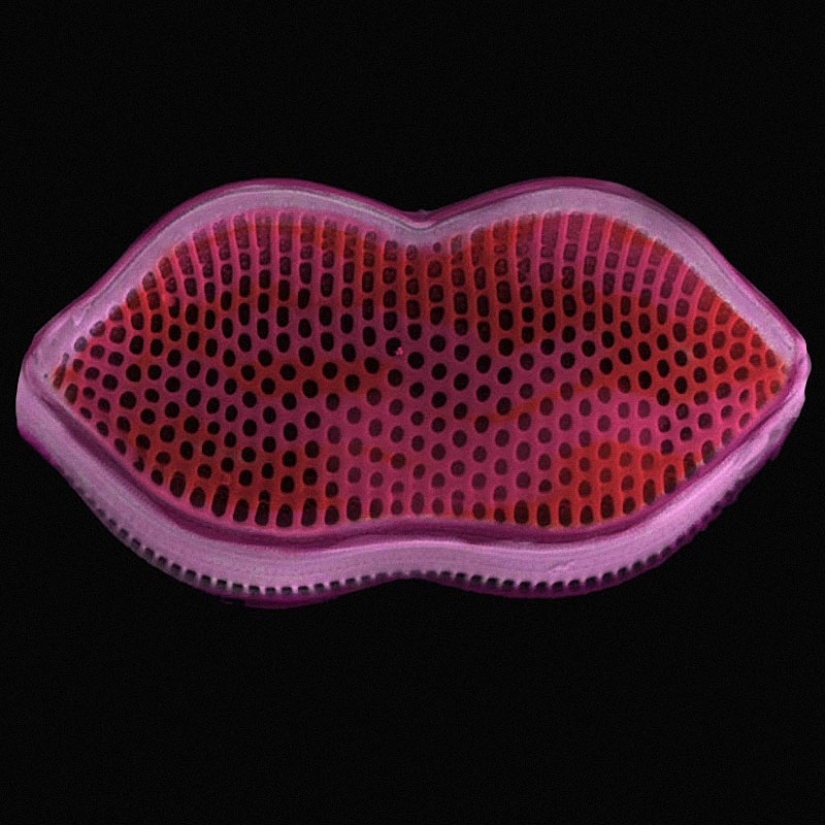
This photo may look like Salvador Dali's "The Face of Mae West," but it's actually an electron microscope image of a type of diatom, a tiny, single-celled sea creature invisible to the naked eye.

This is a photograph of a dinoflagellate - we see the dorsal part of the alga Protoceratium reticulatum.

Dr Paul Hargreaves and Faye Darling named the dinoflagellate 'MiroMira2', although they look more like a pair of muffins.
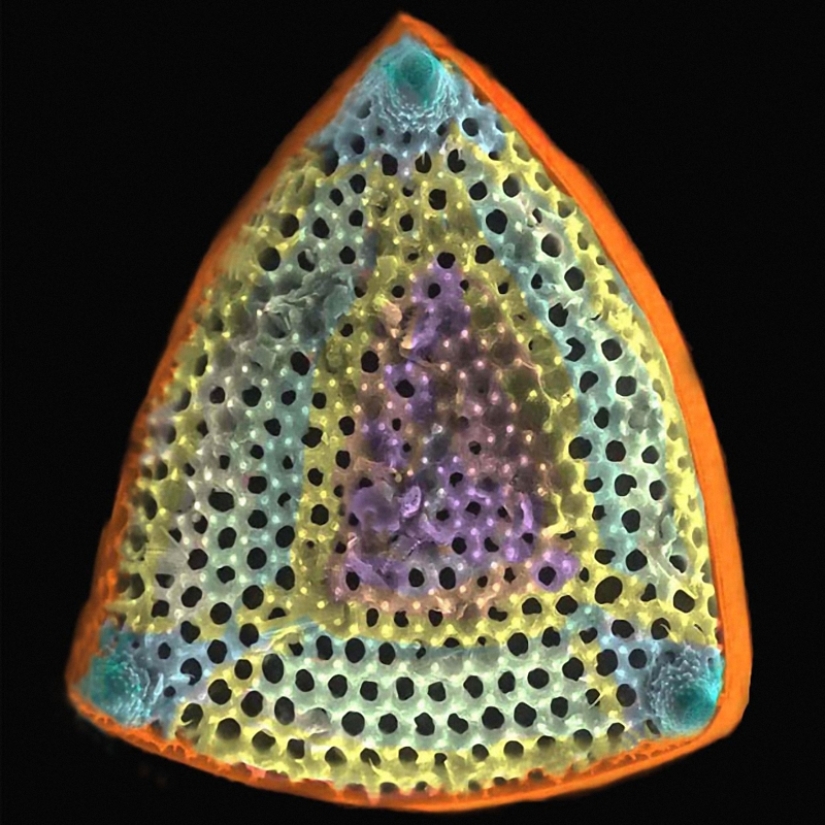
And this creature looks like an iron steamer, although the authors called this photo "The Precious Stone of Tibet."
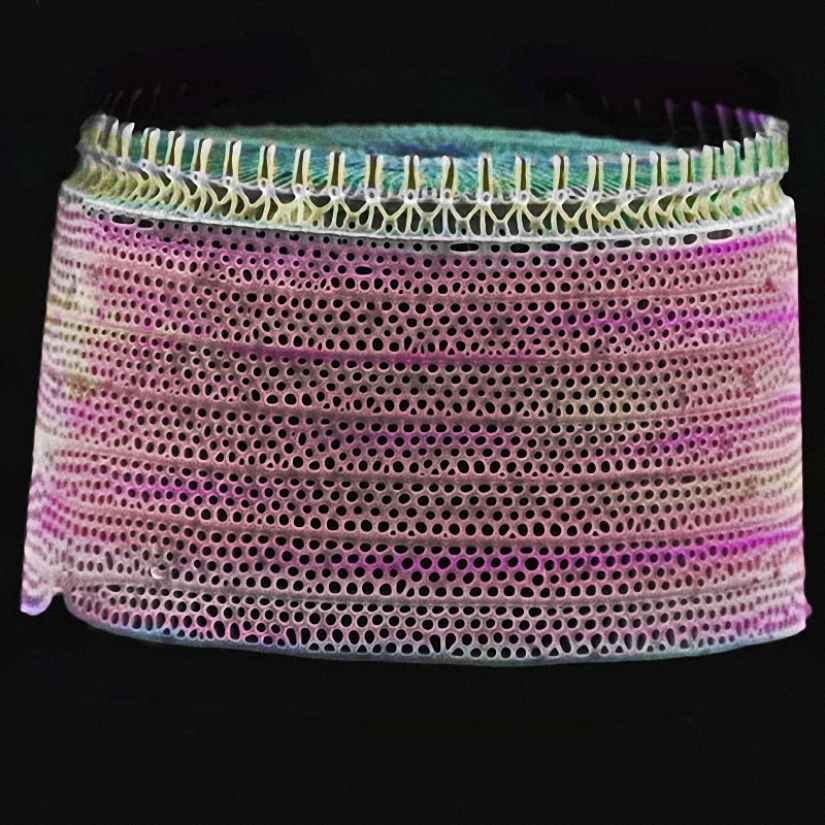
Here is another image, taken with an electron microscope and computer retouching, showing a diatom silicate alga.

This image was named "Peanut Opal" by Dr. Paul Hargrivers and Fay Darling.

They dubbed this photograph "The Blue Turtle."

"Twin Crowns".

The authors dubbed this creature "Crooked Leg".

A specially colored cell of a diatom of the genus Entomoneis.

Images of dinoflagellates. Outbreaks of their population often lead to the appearance of "red tides."

Structure of combined dinaphlogillate and diatomaceous algae.
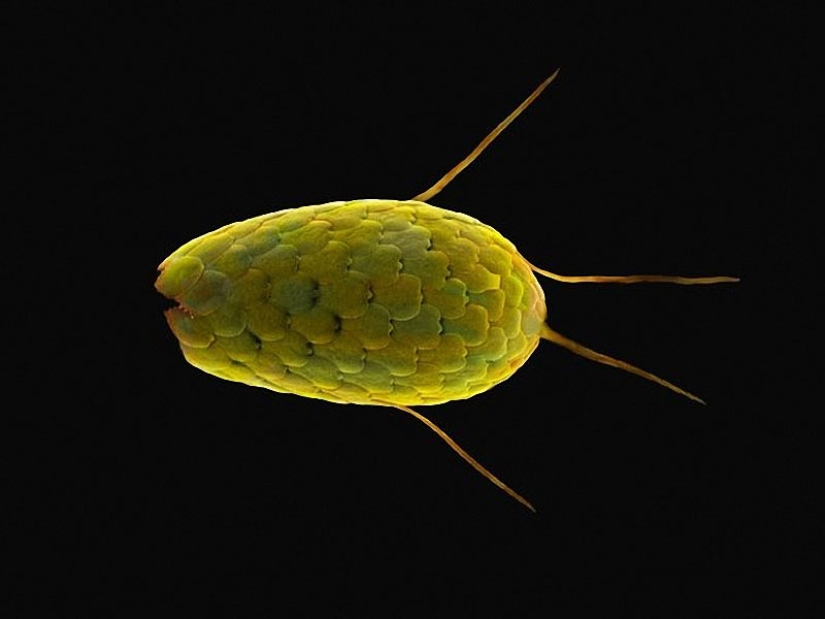
Amoeba.

A structure called "Wind Rose".

Diatoms are a type of algae or phytoplankton that typically average about 50.8 micrometers in size. These little guys have been around since before the dinosaurs.
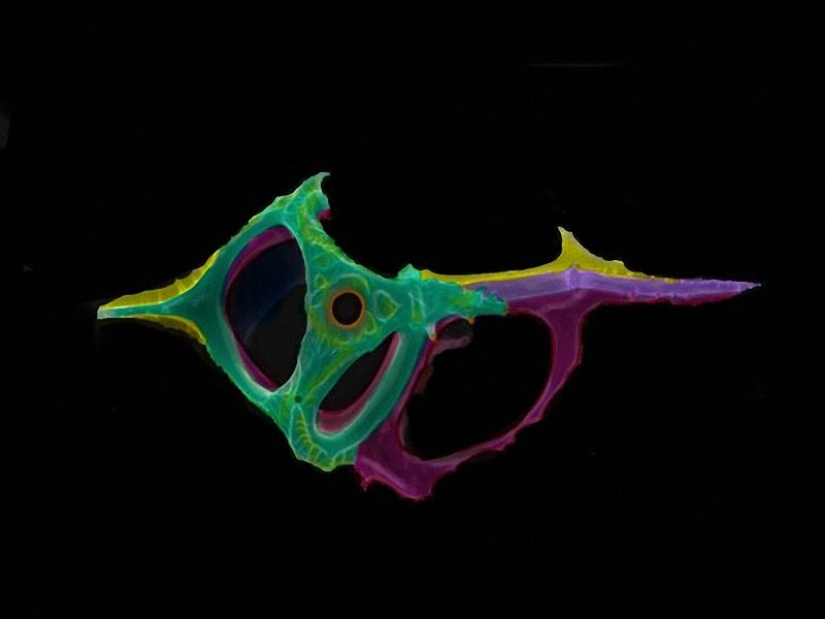
Ibridian.
Recent articles

It's high time to admit that this whole hipster idea has gone too far. The concept has become so popular that even restaurants have ...

There is a perception that people only use 10% of their brain potential. But the heroes of our review, apparently, found a way to ...
New Year's is a time to surprise and delight loved ones not only with gifts but also with a unique presentation of the holiday ...