
Answers to 9 History Questions We Learned in 2021 That Made Us Say "Wow"
Categories: History | People | Science | Society | Travel | World
By Vika https://mail.pictolic.com/article/answers-to-9-history-questions-we-learned-in-2021-that-made-us-say-wow.htmlWho, what, when, where, and why: the big five questions. When it comes to history, the questions that fall into each of these categories can seem endless. Whether it's a new predicament that comes to mind while reading a book, or a passing mention in a TV show or movie, there are so many possible things to know about the story that it can be hard to make them all out.
We decided to collect a few questions about history and answer them.
9 PHOTOS

1. What does it mean when a country name ends in "-stan"?
The suffix "-stan" ends in the names of seven countries: Afghanistan, Pakistan, Kazakhstan, Tajikistan, Uzbekistan, Kyrgyzstan, and Turkmenistan. Afghanistan became an independent country in the early 20th century, and Pakistan was formed after the partition of India in 1947. The rest of the countries were officially recognized after the collapse of the Soviet Union in 1991. All seven have names ending in "-stan" due to the linguistic history of Central Asia. The term "-stan" comes from Persian and means "land" or "country". So, Kazakhstan is the “land of the Kazakhs,” and Uzbekistan is the “land of the Uzbeks,” and the rest are following his example.

2. When was the first pizza in history delivered?
It is reported that in 1889, King Umberto I of Italy and his wife Margarita of Savoy made the first-ever pizza delivery order. As the story goes, the Queen wanted to sample the local food when the couple visited Naples and encouraged Raffaele Esposito to cook one of his signature dishes for them: pizza. He baked them three whole pies. Once the pizza was delivered from the oven, it was quickly taken to the royal family. Not only is this the first pizza delivery; it is also the place where Margarita Pizza got its name. A pie with a simple sauce, cheese, and basil was reportedly their favorite - with ingredients that supposedly represent the colors on the Italian flag (red, white, and green).

3. Was the Leaning Tower of Pisa ever straight?
The construction of the leaning tower in Pisa began in 1173, and even at the beginning of this process, it was clear that the structure would not stand upright. By the time the third floor was added in 1178, the tower had already begun to move and was showing signs of its characteristic tilt.
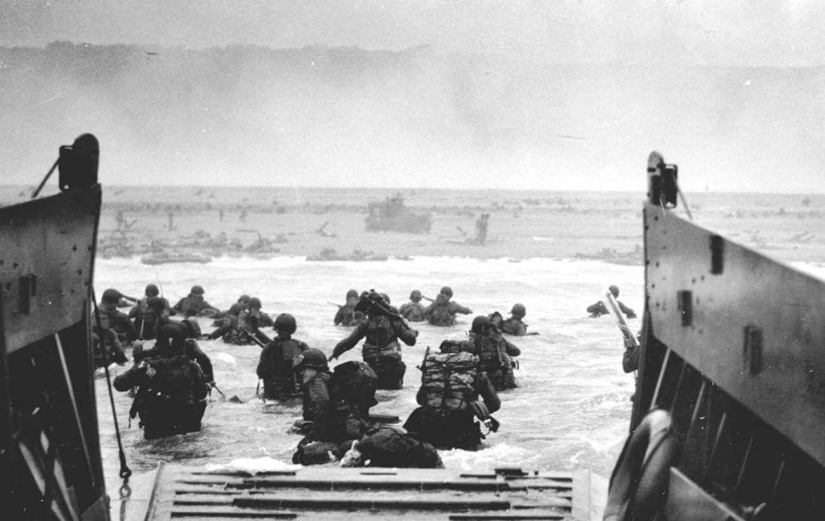
4. What does D mean on D-Day?
While there are many theories about what the letter D stands for on D-Day, it is actually just a military way of saying which day the operation will start. The US military uses similar designations for other time slots, often adding the letter "H" to indicate the hour when the attack will begin.
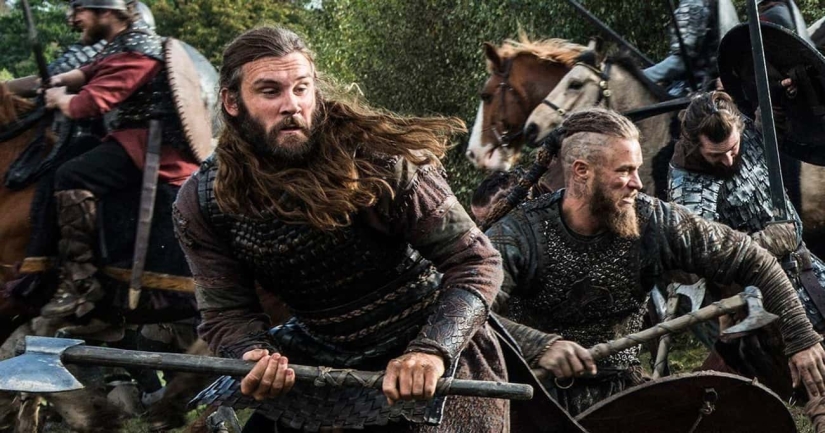
5. What substances did the Berserker Vikings use before the battles?
As fierce and fierce warriors, Viking berserkers have an excellent reputation in both history and popular culture. Berserkers are Norwegians who fought naked, probably under the influence of hallucinogenic drugs and raged on the battlefield with the fury of wild beasts. It is believed that in order to demonstrate their shocking energy and behavior on the battlefield, the berserkers mixed mead and beer with magic mushrooms.
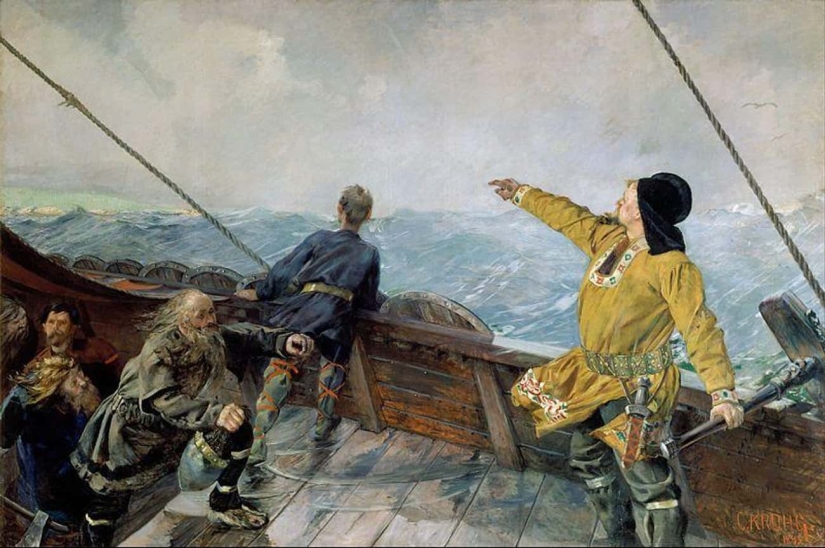
6. Why didn't the Vikings stay in North America?
Scandinavian explorers founded at least one colony on the island of Newfoundland around 1000 AD. The Viking community, dubbed L'Anse aux Meadows, is considered the oldest European settlement in North America. Archaeological evidence from L'Anse aux Meadows indicates buildings that were used as workshops and dwellings, while artifacts indicate woodworking and iron making. However, the settlement raises many more questions than it answers - especially the question of why the Scandinavians did not stay in North America. Historians have several theories, including the opinion that the weather was too harsh. Some believe that after decades of exploiting abundant resources in North America by the Vikings, a period of cold weather made the land less fertile and the seas full of ice. Another potential force driving the Vikings out of North America was the presence of indigenous groups - a factor that visitors did not need to control when they settled in Iceland and Greenland.

7. How dangerous is quicksand?
Quicksand does exist, but popular cultural beliefs misinterpret its function. Quicksand consists of sand, silt, clay, or other similar granular material mixed with water. It usually appears near bodies of water, and when aroused by a change in pressure or shock, it looks like a dip. Movies and TV shows show that resisting quicksand only increases their suction qualities, making them more deadly. There is no evidence that a person can completely immerse themselves in quicksand, but getting into a cloudy substance can limit mobility and result in damage from animals, weather, or tides.
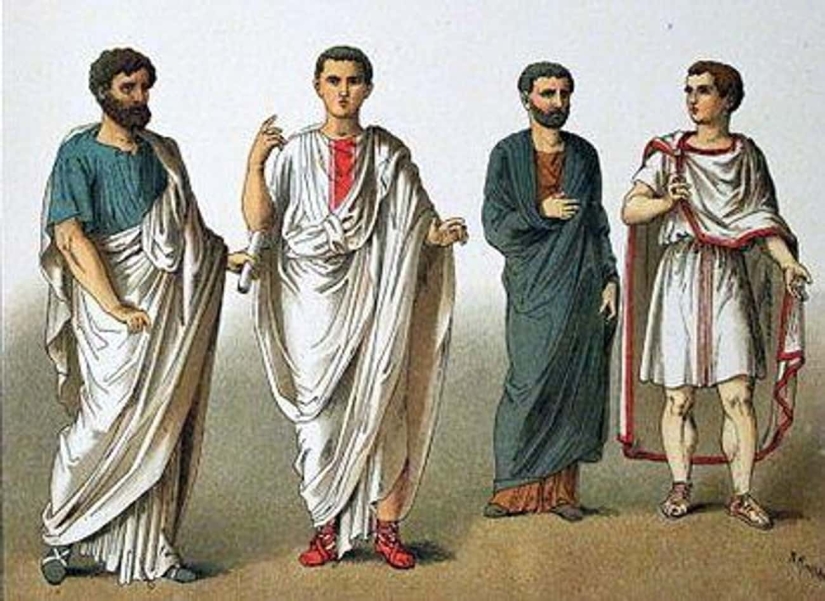
8. When did the Romans start wearing trousers?
Greeks and Romans, among other ancient groups, are known for wearing robes and togas. In Roman society, the toga displayed social status and wealth and usually gave a person a sense of self-esteem. On the other hand, the pants were associated with non-Romans or "barbarians." In the first century BC, the Roman orator Cicero noted the aggressiveness of foreigners in trousers, and until the second century AD, Roman legionnaires could be distinguished from auxiliary troops by what they had on their feet (among other things). By the fourth century, trousers were more common in Roman society, but this was considered a problem, which is why both trousers and boots were banned. Wearing trousers in Rome could actually lead to eternal exile. The link between barbarians and pants has not faded, but with the Gothic tribes beginning to relinquish Roman imperial power, the ban on pants has not been sustainable. By the 6th century, trousers, which were often worn under tunics, were the standard fashion.
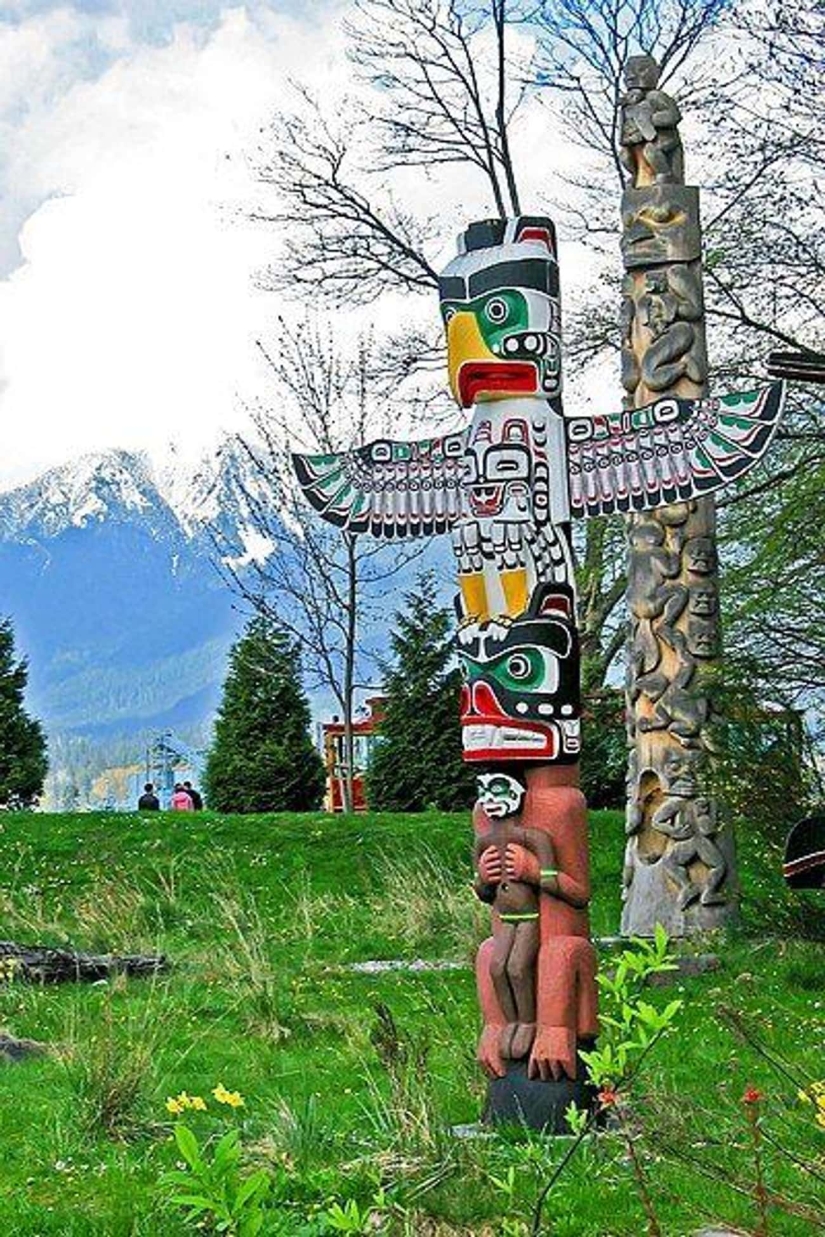
9. How do people “read” totem poles?
Totem poles are vertical visual monuments and representations of events, ancestors, beliefs, people, and other aspects of cultural and historical significance. Made from wood (usually cedar) by the indigenous peoples of North America, totem poles tell and document stories with carved symbols and images. Shapes, shapes, and designs vary greatly depending on purpose, type, and culture. Totem poles are not worshiped idols and do not contain the souls of deities. Contrary to popular belief, the carvings are not read from top to bottom. Some pillars do not have a linear structure, while others place important figures and images at the bottom for clarity.
Keywords: Questions | Answers | History | World | Countries | Cities | Interesting facts | Construction
Post News ArticleRecent articles

It's high time to admit that this whole hipster idea has gone too far. The concept has become so popular that even restaurants have ...

There is a perception that people only use 10% of their brain potential. But the heroes of our review, apparently, found a way to ...
Related articles

In the fall of 1972, Bill Yates traveled through the countryside in the vicinity of Tampa, Florida. At that time, he was studying ...

When a person is in a life-threatening situation is awful, but even worse when it happens to a child. 11-year-old American Terry ...

Remember how broke the "unbreakable" scoop? The photo preserved in the photo album of almost every family! A selection of vintage ...
New Year's is a time to surprise and delight loved ones not only with gifts but also with a unique presentation of the holiday ...