
5 most famous Russian folk patterns
Categories: Art | Culture | Europe | Nations | News
By Angela https://mail.pictolic.com/article/5-most-famous-russian-folk-patterns.html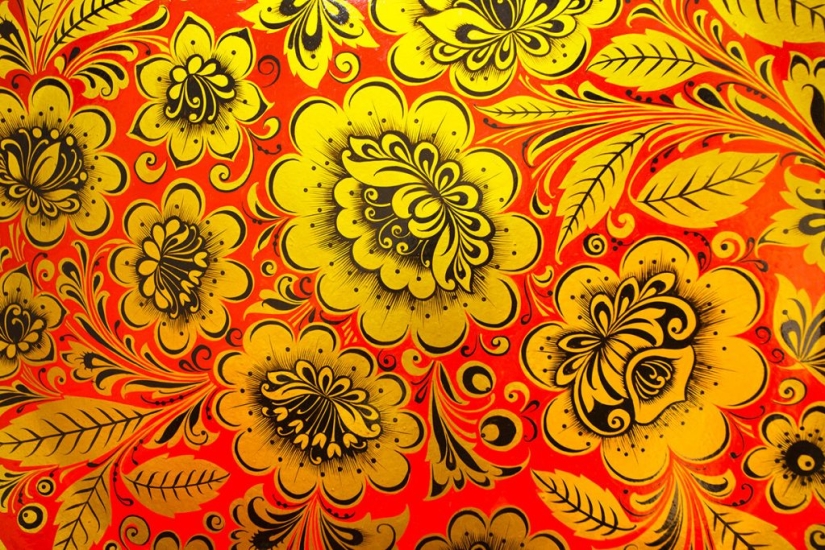
1. Khokhloma is the “calling card” of all Russian patterns, the most popular and recognizable. The type of product, like the pattern, traditionally bears the name of the place of its origin and production. In the case of Khokhloma, this is the village of Khokhloma in the Nizhny Novgorod region. There is a legend that needlework comes from the Old Believer icon painters of the 17th century.
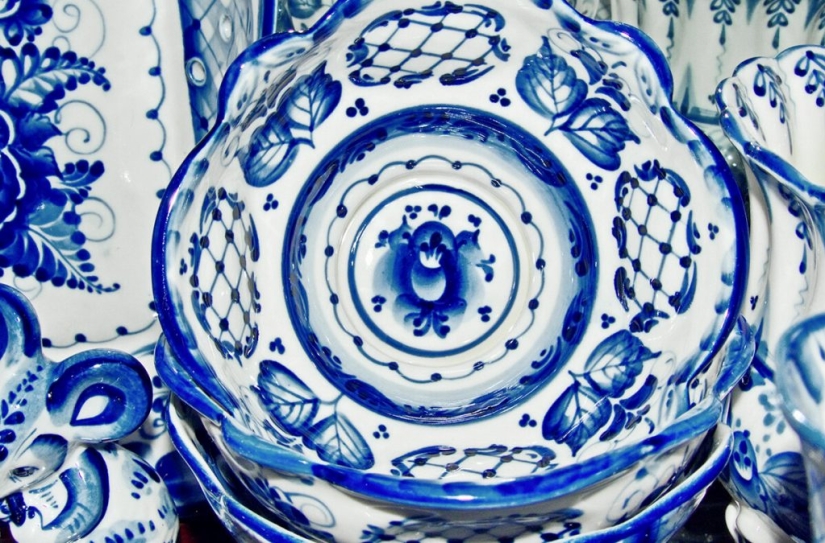
2. It is often said that Gzhel is very reminiscent of Delft faience and Chinese white-and-blue ceramics, but there is no direct evidence of such a “borrowing”. The type of ceramic craft comes from the village of Gzhel in the Moscow region and the surrounding villages, where special clay was mined from time immemorial.
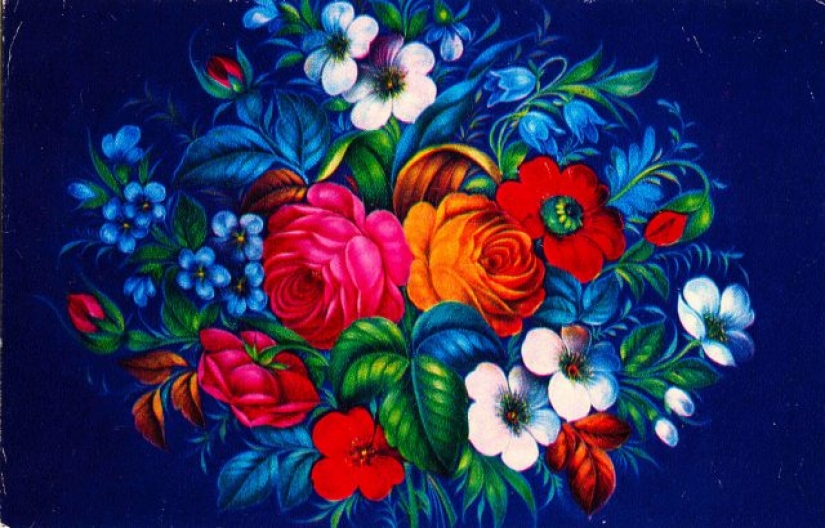
3. The painting of forged tin trays in the village of Zhostovo, Moscow Region, dates back to 1825 - the craft was “imported” from the Urals by the princes Demidovs (in Tagil there was already a successful production of painted trays). These trays were made by local Zhostovo artists, who had already painted miniatures on wooden items. The result of this synthesis of arts and crafts was Zhostovo trays, now one of the most popular "folk" brands.
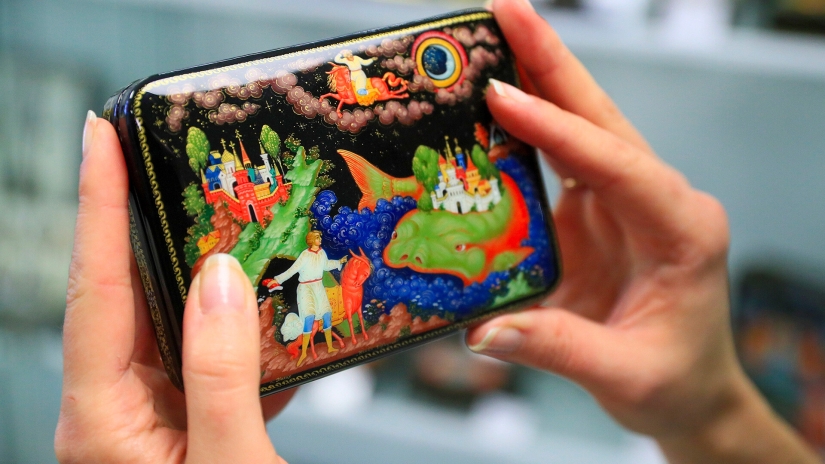
4. Palekh lacquer miniature is a relatively young folk craft. After the revolution of 1917, talented artists, former icon painters and masters of temple painting from the village of Palekh (Ivanovo region) took up the task. In the new anti-religious Soviet state, artists focused their craft on "old painting". They depicted scenes from folk tales and literary works using iconographic techniques, in particular tempera paints.
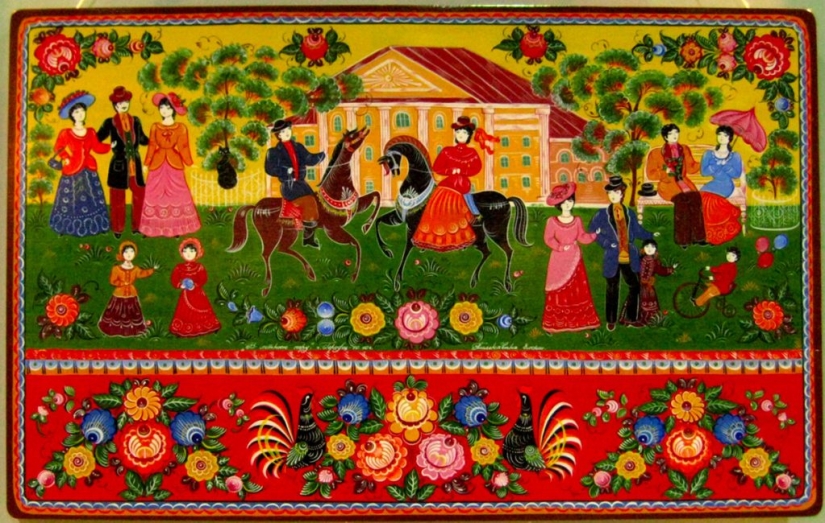
5. Originally from Gorodets, Nizhny Novgorod region, this pattern dates back to the 19th century. It was first used to decorate sewing devices (called "spinning wheels"). Later, it was also found on wooden furniture and other items - chests, caskets, sleighs, window shutters and even doors. Folk masters depicted genre scenes from the life of merchants and peasants.
Keywords: National | Decor | Art
Post News ArticleRecent articles

It's high time to admit that this whole hipster idea has gone too far. The concept has become so popular that even restaurants have ...

There is a perception that people only use 10% of their brain potential. But the heroes of our review, apparently, found a way to ...
Related articles

These artists love cats, but also masterfully draw them, often complementing funny and life signatures. Meet! --> Russian ...

Photography has the magical ability to catch the moment before it disappears. American a self-taught photographer Lauren Shipman ...

Is it possible to laying wood to name a form of art? Turns out you can. Because in the world there are such people, which gently ...
New Year's is a time to surprise and delight loved ones not only with gifts but also with a unique presentation of the holiday ...